


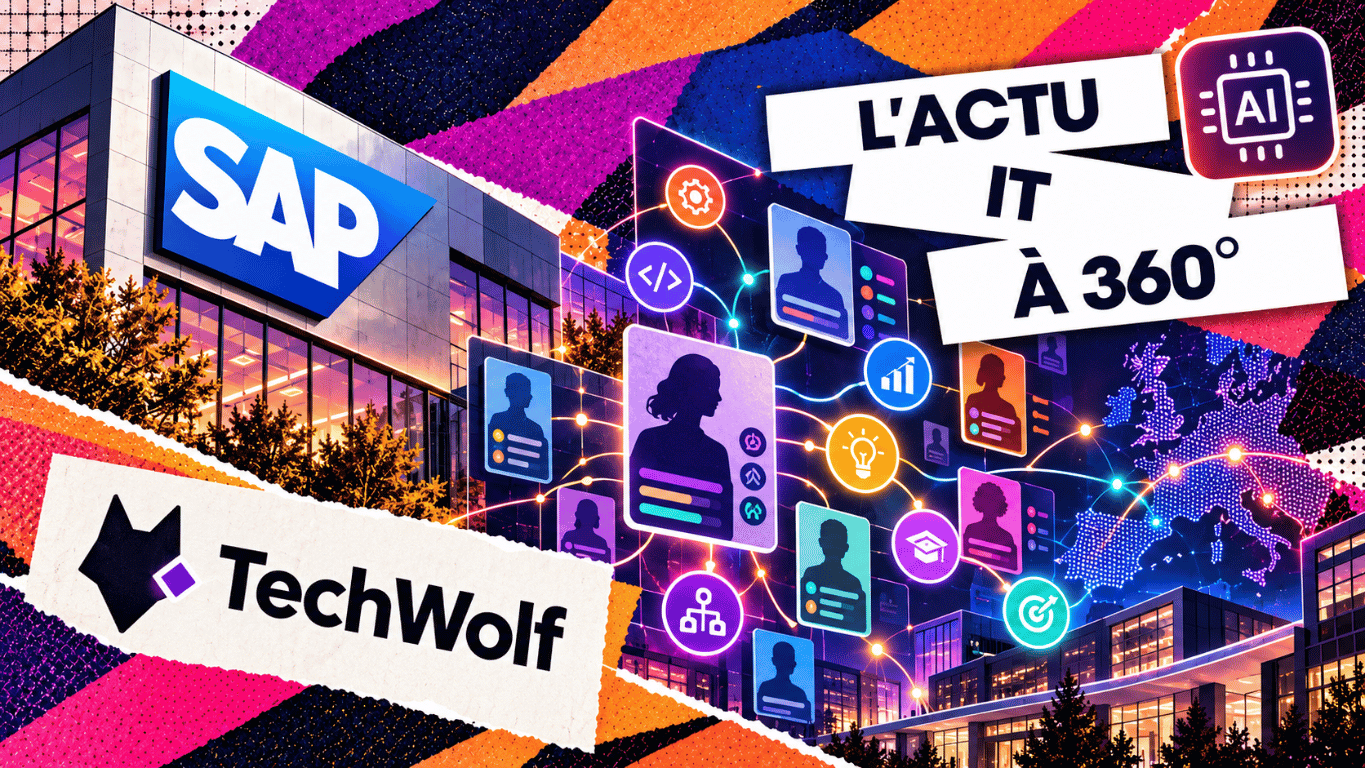
SAP has announced an agreement to acquire TechWolf, an AI platform that links tasks, skills and changes in the labour market. Completion is expected in the fourth quarter of 2026, subject in particular to regulatory approvals.[1] The deal raises a practical question: how can training and internal mobility be better prepared without reducing an employee’s abilities to the information recorded in software?
A graph to bring work and skills together
TechWolf draws on the HR and business systems already used by the organisation to build a context graph. This graph links the tasks associated with roles, skills, labour market information and company strategy.[1]
The aim is to match the activities actually carried out with the skills that can be associated with them. This approach seeks to complement inventories based solely on job titles.
In an IT team, for example, the same job title can cover user support, cloud administration or application integration. Skills may also be used beyond the usual boundaries between departments.
SAP is preparing closer integration with its HR ecosystem
SAP plans to integrate TechWolf into SuccessFactors and to use this information in scenarios linked to Joule, notably for workforce planning and talent management. New products are expected once the deal has closed.[1]
This integration could bring skills mapping closer to concrete decisions on training, mobility or how teams evolve. Its usefulness will, however, depend on the quality of the data and on how the results are interpreted.
Four uses to test against the quality of the information
This editorial grid presents possible benefits and the checks they call for. It does not describe gains already measured at a customer.
| Use | Intended operational effect | Control question |
|---|---|---|
| Training | Identify the know-how to develop for an activity. | Is the need confirmed by the person and their team? |
| Internal mobility | Identify skills that can be transferred between assignments. | Are aspirations and real experience taken into account? |
| Recruitment | Distinguish internal resources from the needs to be filled. | Is a skill missing from the system really missing? |
| Evolution of jobs | Analyse the tasks likely to change with AI. | Are the constraints and responsibilities of the work represented? |
An inferred skill remains a suggestion to be checked
Digital traces are incomplete. The activities visible in software can obscure informal mutual help, incident resolution or rarely used skills. They are therefore not an exhaustive measure of an employee’s value.
TechWolf states that, by default, employees can accept, reject or add to the skills suggested by the AI. The organisation can also opt for validation by the manager. The tool distinguishes between skills declared by the employee, assessed by the manager and inferred by the AI.[2] This information should not be merged into a single score.
For SMEs, start with a specific training need
An SME could map the tasks and skills involved in migrating an application to the cloud, then compare the results with employees’ experience to build a training pathway. This is a working scenario, not an SAP offering specifically announced for SMEs.
A limited pilot would make it possible to measure the relevance of the suggestions, the corrections made and the time needed to validate them. These results could then be compared, against the integration cost, with an approach based on interviews and a shared framework.
Before launch, the organisation should specify the data sources, access rights and the decisions the tool is meant to inform. A training recommendation must not become an individual assessment by default.
Data quality determines decision quality
The Data Management skill starts with identifying the sources, how up to date they are and what they actually make it possible to observe. Missing data does not mean that a skill is absent.
Teams must also harmonise vocabulary, preserve the provenance of information and distinguish people’s own statements from inferences produced by AI.
Finally, governance requires coordinating HR teams and users, defining how validation works and dealing with errors. The value of a skills graph depends on results that are reliable, explainable and useful to the people concerned.
Preparing jobs better without boxing people in
Mapping work at task level can help prepare training and mobility. It must, however, leave room for experience, aspirations and skills that are not visible in systems. The graph can inform a discussion about work; it should not replace it.
Further reading
Four CCCLX reads on data, data governance and integrating AI into organisations.
Talk to your database: Oracle improves its NL2SQL AI
Databricks extends Delta Sharing to AI and aims to break down data silos
Merck and Google Cloud: 1 billion for agentic AI
Two months, 1.1 billion dollars: River AI is already exciting investors
Sources
- 01
SAP News Center (6 October 2026). “SAP to Acquire TechWolf, Giving Enterprises Evidence-Based View of Work in the Age of AI”. Announcement of the agreement, the context graph and the planned integrations with SuccessFactors and Joule.
- 02
TechWolf (accessed 6 October 2026). “Who validates the AI’s suggestions, the employee or their manager?”. Explanations of validation by the employee, governance options and the different skill assessments.
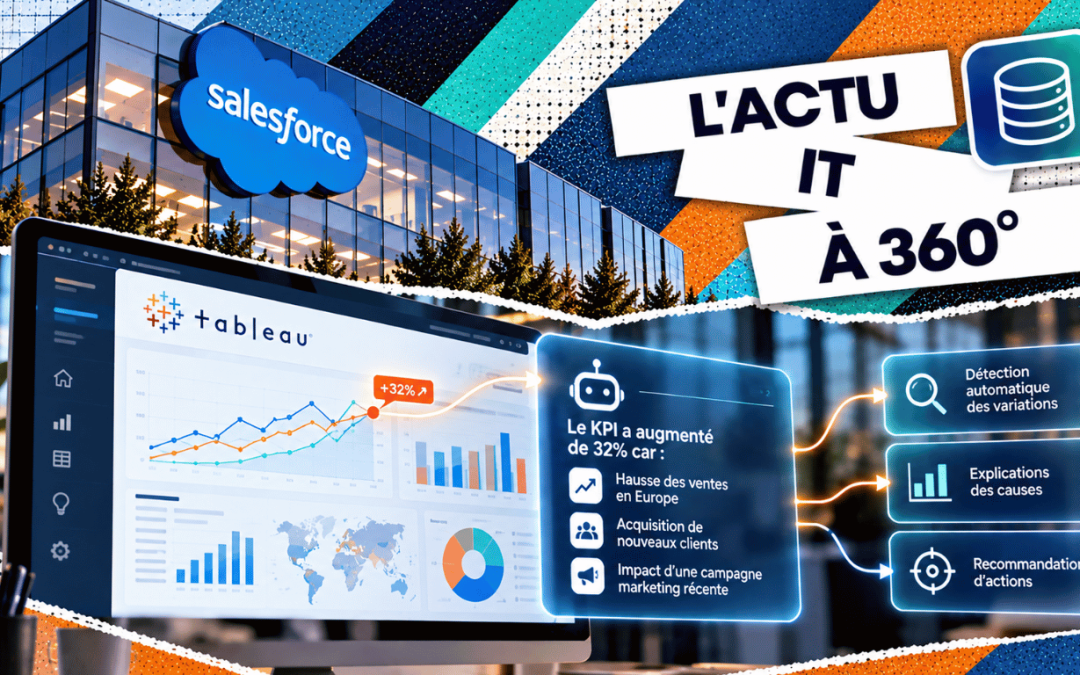
Salesforce wants to acquire Loops to help Tableau explain KPI changes
Salesforce has announced a definitive agreement to acquire Loops, an AI-based analytics platform, with the intention of integrating its technology into Tableau after closing.[1] The aim is to monitor metrics and bring out the factors associated with their changes. For...

Cisco and NVIDIA prepare 400 Gb/s-per-lane optical connections for AI infrastructure
Cisco and NVIDIA have announced a project for a pluggable optical form factor, USFP, capable of supporting 400 Gb/s per lane. Cisco is also unveiling the Silicon One G302 switching chip, rated at 51.2 Tb/s.[1] These announcements address a key challenge for AI...
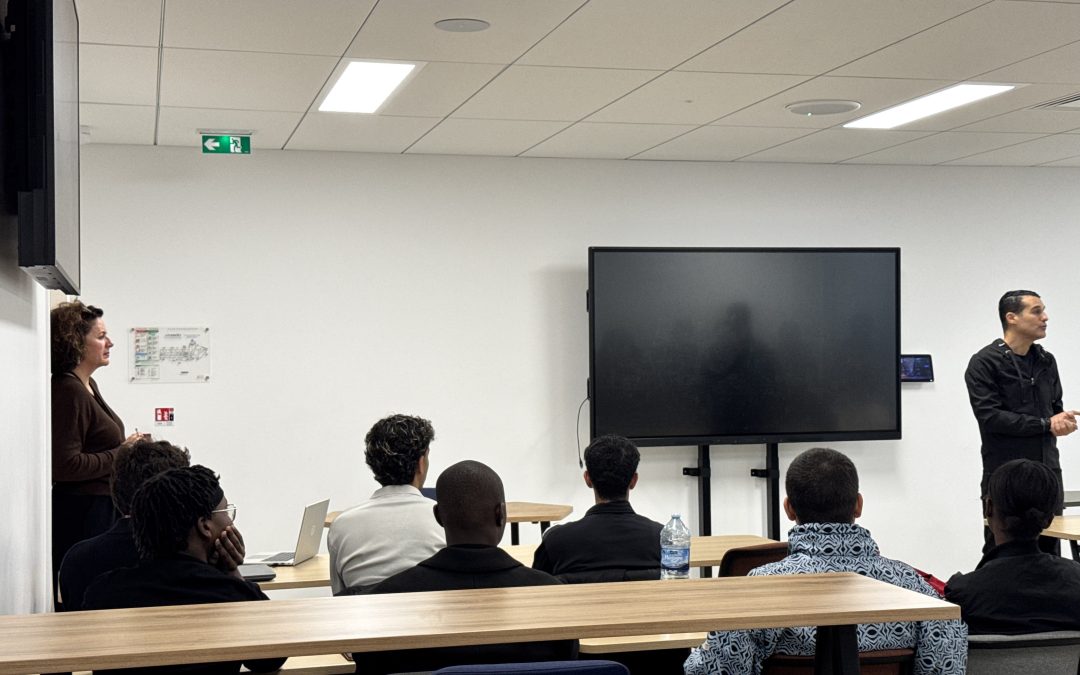
A new year begins at CCCLX!
The Paris-Villejuif campus welcomes CCCLX students for a new year of learning, projects and experiences at the heart of 360° IT.

VMware HyperArmor strengthens hypervisor protection against cyberattacks
Broadcom has unveiled VMware HyperArmor, a solution designed to protect the ESX hypervisor of VMware Cloud Foundation, with announced support for ESX 8.x and later versions.[1] The stakes go beyond the security of a single application: the hypervisor is a shared...

SolarWinds Avior: IT teams set the goals and agents coordinate the actions
SolarWinds has launched Avior, an agentic AI system designed to pursue operational goals in hybrid IT environments. Available since 14 October as part of a guided onboarding programme, it combines specialised agents with control mechanisms.[1] For technical teams, the...
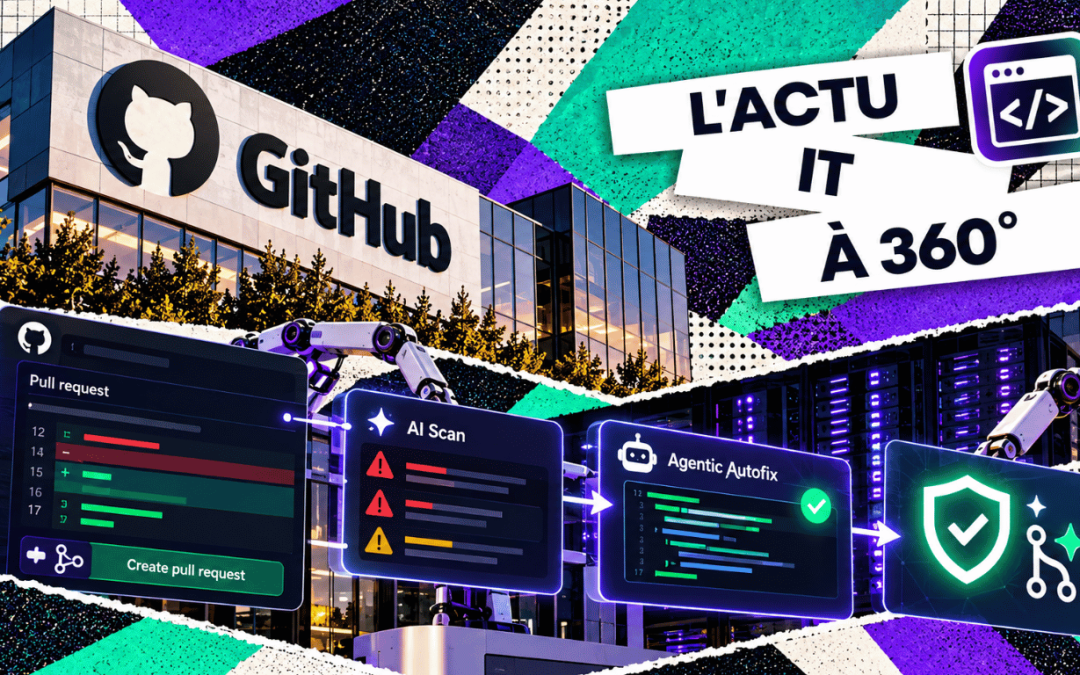
GitHub steps up vulnerability detection and remediation with AI Scan and Agentic Autofix
GitHub has announced the general availability of AI Scan for pull requests and Agentic Autofix for code scanning alerts.[1][2] These features bring AI assistance closer to the work of securing code. They do, however, operate on different scopes: proposed...

Cloudflare makes web security programmable with Workers
Cloudflare is bringing its secure web gateway closer to its Workers development platform. With Forward, available in public beta, businesses can add code to the processing of certain authorised HTTP requests.[2] For IT teams, this development opens up a...

Palo Alto Networks strengthens AI agent security around Claude Enterprise
PPalo Alto Networks has unveiled several updates to Prisma AIRS: protection of interactions with Claude Enterprise, analysis of the components used by agents and control of their exchanges with tools.[1] The stakes are concrete for businesses: preventing an assistant...
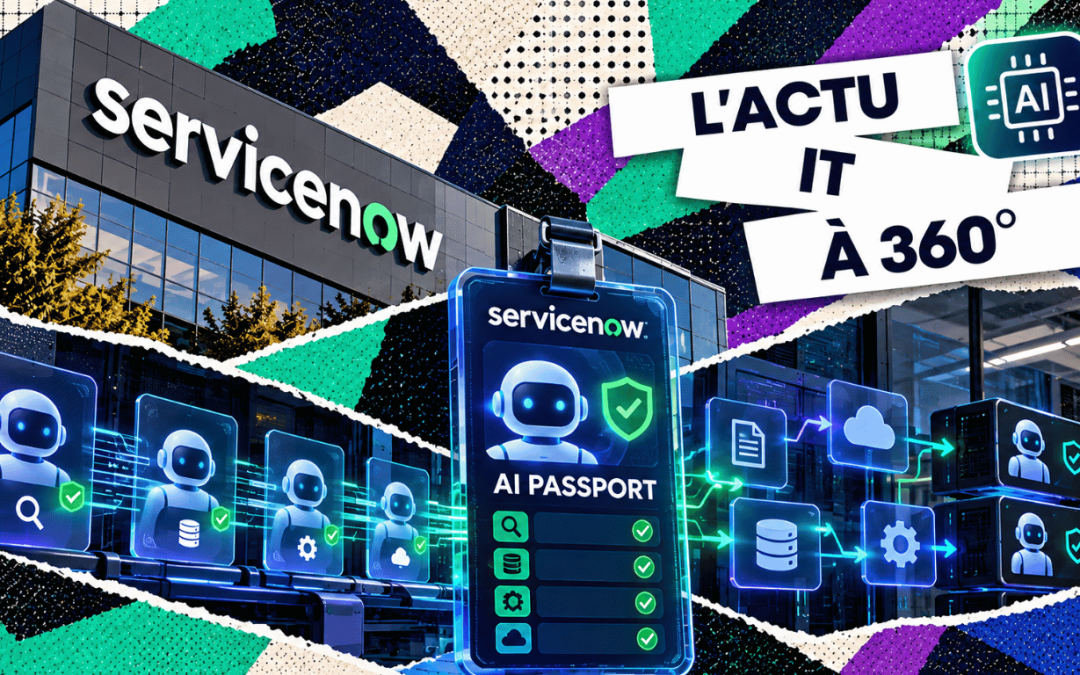
ServiceNow prepares AI Passport to control AI agents’ access rights
ServiceNow has announced AI Passport, a cryptographically signed authorisation credential designed to govern AI agents and MCP servers while workflows are running. It is scheduled to be available in the fourth quarter of 2026.[1] The image of a digital badge helps to...
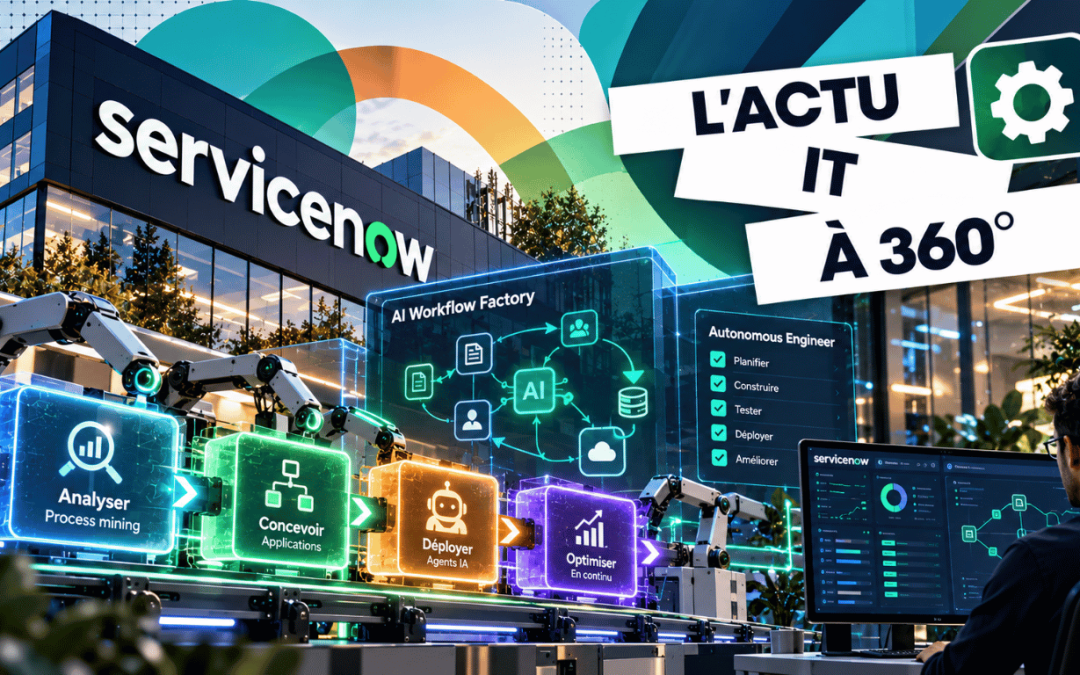
ServiceNow wants to turn process improvement into a continuous AI-driven loop
With AI Workflow Factory, ServiceNow aims to link the identification of inefficient processes with building and running their improvements. The announcement notably includes Autonomous Engineer, a tool designed to automate more of the implementation work.[1] For...