


Defenders must now fight AI with AI
Cyberattacks are evolving at unprecedented speed. Thanks to artificial intelligence models, attackers can automate the search for vulnerabilities, analyse code in seconds and quickly identify the most exposed systems. To respond to this new threat, IBM is joining the OpenAI Daybreak Cyber Partner Program, an initiative designed to integrate advanced AI models directly into companies’ security operations. The aim is to enable cybersecurity teams to identify risks more quickly, prioritise critical vulnerabilities and act before cybercriminals go on the offensive.1
SOC teams gain a new ally
Security operations centres (SOCs) face a colossal volume of alerts every day. Sorting through this information, distinguishing real threats from false positives and deciding which vulnerabilities to fix first is a growing challenge. The Daybreak programme brings a new generation of assistants able to automatically analyse application code, identify the most likely exploitation scenarios and rank risks by criticality. Analysts remain in control of decisions, but now have a tool that can considerably reduce the time needed for investigations.1
Much smarter code analysis
To support this initiative, IBM is launching a new application security service that harnesses the cyber capabilities of OpenAI’s models. Unlike traditional scanners, which essentially look for known signatures, this solution analyses the context of applications in order to identify vulnerabilities that are genuinely exploitable. Processing is carried out directly in the customer’s environment thanks to a secure architecture offering limited access to code repositories and a strictly controlled execution framework. Companies can start by auditing their most sensitive applications before gradually extending this monitoring to their entire software estate.1
Lightwell takes on a new dimension
This partnership also strengthens Project Lightwell, the initiative launched by IBM and Red Hat to improve the security of open-source software. OpenAI’s models are now being used to speed up code analysis, vulnerability validation and remediation. The aim is to create a chain of defence able to support developers, security teams and IT managers throughout the application lifecycle, while reducing the time between the discovery of a flaw and its actual fix.2
A new race against cybercriminals
This announcement illustrates a profound change in the cybersecurity landscape. For several years, specialists mainly studied how cybercriminals could use artificial intelligence to automate their attacks. Now companies are also using these technologies to strengthen their defensive capabilities. A genuine technological race is under way between attackers able to rely on AI and defenders who use the same tools to detect threats earlier, reduce their exposure and react more quickly.3
Cybersecurity experts must now work alongside AI
Protecting information systems is no longer just about configuring firewalls or analysing event logs. Professionals now need to understand how artificial intelligence models work, interpret their analyses, oversee their recommendations and integrate these new tools into companies’ security processes. The ability to work with an AI capable of analysing code, assessing risks and proposing corrective actions is gradually becoming an essential skill in the face of cyber threats that now move at machine speed.
Defensive AI opens a new chapter in cybersecurity
With the Daybreak programme, IBM and OpenAI are showing that the next generation of cybersecurity solutions will rely on close collaboration between human experts and artificial intelligence. In an environment where attacks are becoming ever faster and more sophisticated, companies will need platforms able to continuously analyse their applications, automatically detect vulnerabilities and guide teams in their decisions. More than a technological development, this approach heralds a new way of protecting information systems.
360° IT News — decoding technology to understand the jobs of tomorrow.
Further reading
The integration of artificial intelligence into cybersecurity operations is part of a broader transformation of how companies protect themselves. On a related topic, read our article “Open-source security scales up: IBM, Red Hat and Palo Alto join forces”, which shows how the major digital players are coordinating their technologies to speed up vulnerability detection and secure the software supply chain.
References
1. IBM. (2026). IBM joins the OpenAI Daybreak Cyber Partner Program.
https://www.ibm.com
2. IBM. (2026). Project Lightwell Overview.
https://www.ibm.com
3. OpenAI. (2026). OpenAI Daybreak Cyber Partner Program.
https://openai.com
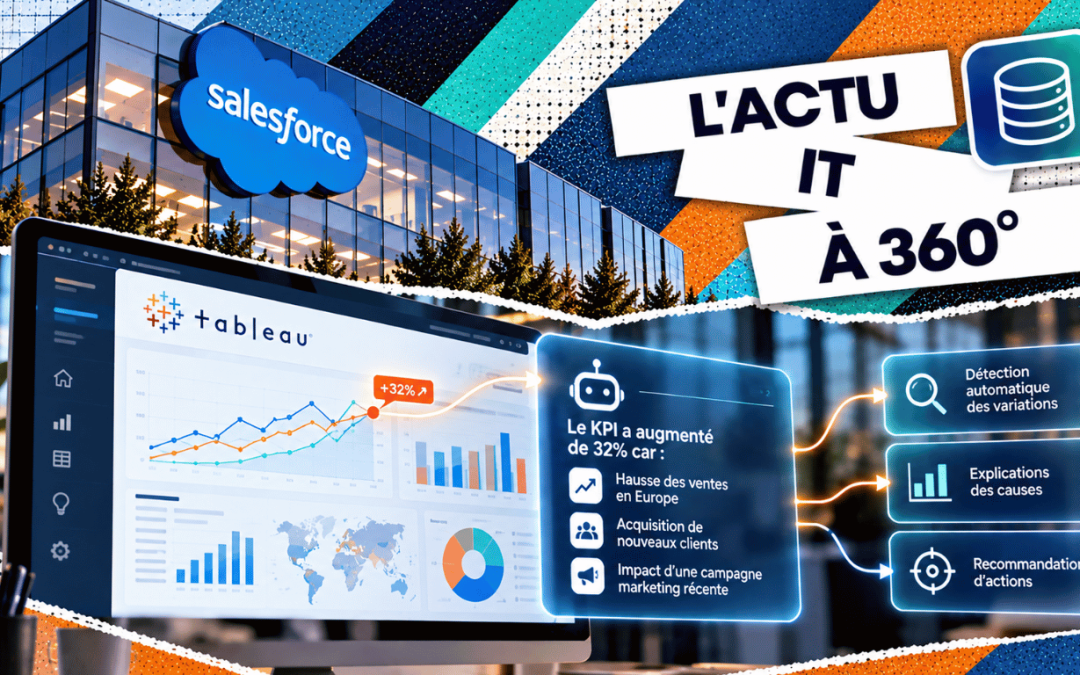
Salesforce wants to acquire Loops to help Tableau explain KPI changes
Salesforce has announced a definitive agreement to acquire Loops, an AI-based analytics platform, with the intention of integrating its technology into Tableau after closing.[1] The aim is to monitor metrics and bring out the factors associated with their changes. For...

Cisco and NVIDIA prepare 400 Gb/s-per-lane optical connections for AI infrastructure
Cisco and NVIDIA have announced a project for a pluggable optical form factor, USFP, capable of supporting 400 Gb/s per lane. Cisco is also unveiling the Silicon One G302 switching chip, rated at 51.2 Tb/s.[1] These announcements address a key challenge for AI...
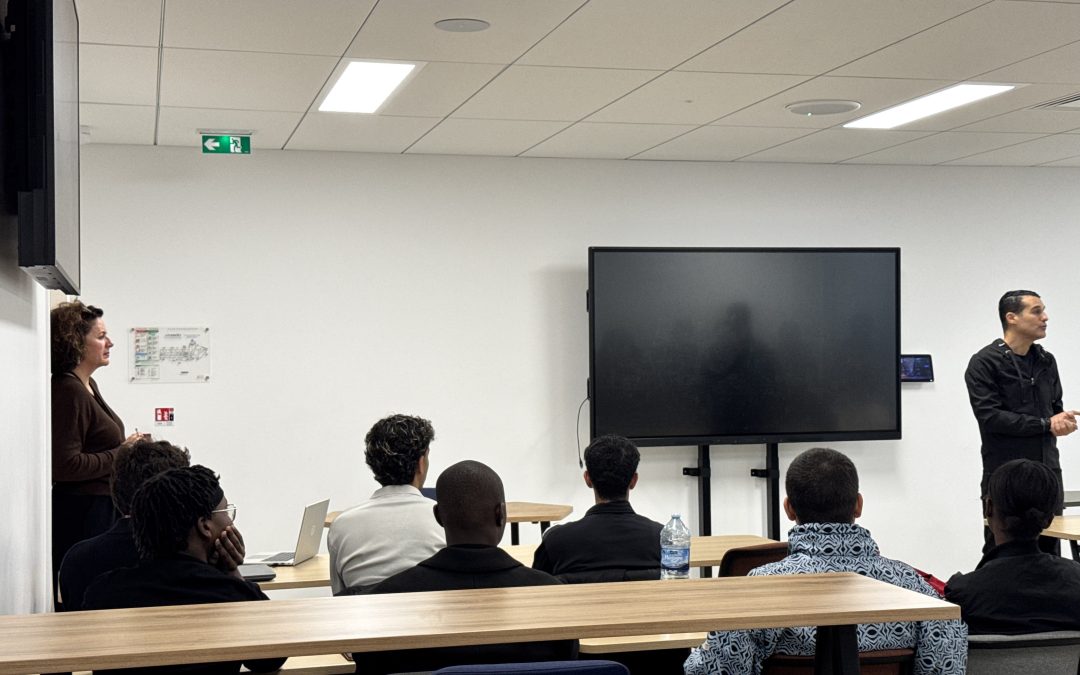
A new year begins at CCCLX!
The Paris-Villejuif campus welcomes CCCLX students for a new year of learning, projects and experiences at the heart of 360° IT.

VMware HyperArmor strengthens hypervisor protection against cyberattacks
Broadcom has unveiled VMware HyperArmor, a solution designed to protect the ESX hypervisor of VMware Cloud Foundation, with announced support for ESX 8.x and later versions.[1] The stakes go beyond the security of a single application: the hypervisor is a shared...

SolarWinds Avior: IT teams set the goals and agents coordinate the actions
SolarWinds has launched Avior, an agentic AI system designed to pursue operational goals in hybrid IT environments. Available since 14 October as part of a guided onboarding programme, it combines specialised agents with control mechanisms.[1] For technical teams, the...
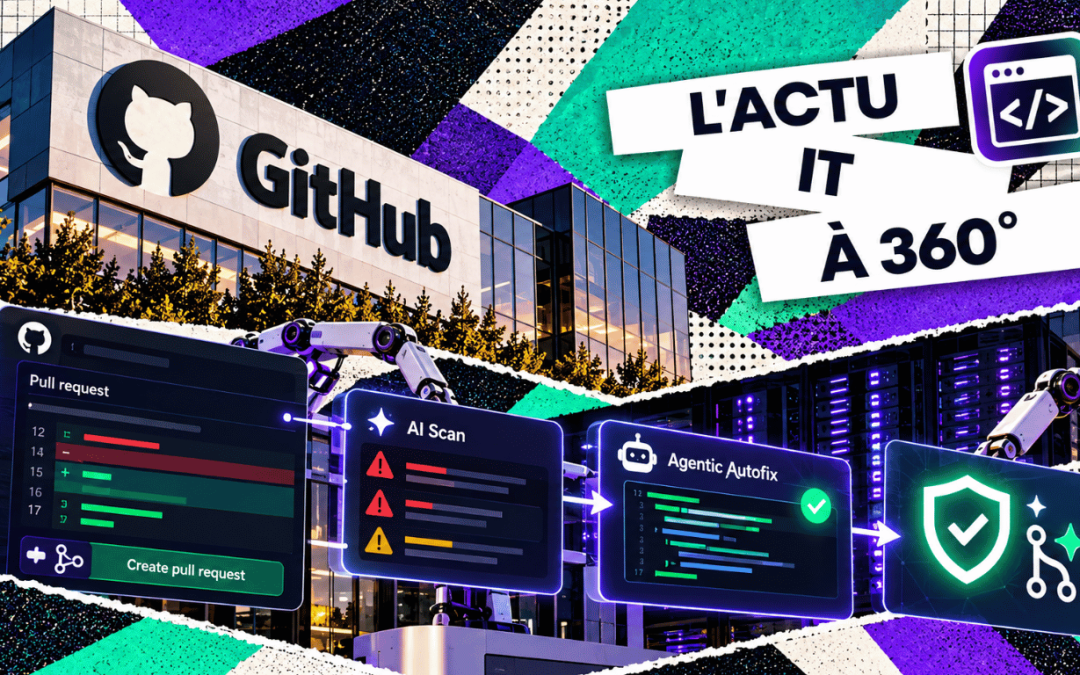
GitHub steps up vulnerability detection and remediation with AI Scan and Agentic Autofix
GitHub has announced the general availability of AI Scan for pull requests and Agentic Autofix for code scanning alerts.[1][2] These features bring AI assistance closer to the work of securing code. They do, however, operate on different scopes: proposed...

Cloudflare makes web security programmable with Workers
Cloudflare is bringing its secure web gateway closer to its Workers development platform. With Forward, available in public beta, businesses can add code to the processing of certain authorised HTTP requests.[2] For IT teams, this development opens up a...

Palo Alto Networks strengthens AI agent security around Claude Enterprise
PPalo Alto Networks has unveiled several updates to Prisma AIRS: protection of interactions with Claude Enterprise, analysis of the components used by agents and control of their exchanges with tools.[1] The stakes are concrete for businesses: preventing an assistant...

ServiceNow prepares AI Passport to control AI agents’ access rights
ServiceNow has announced AI Passport, a cryptographically signed authorisation credential designed to govern AI agents and MCP servers while workflows are running. It is scheduled to be available in the fourth quarter of 2026.[1] The image of a digital badge helps to...
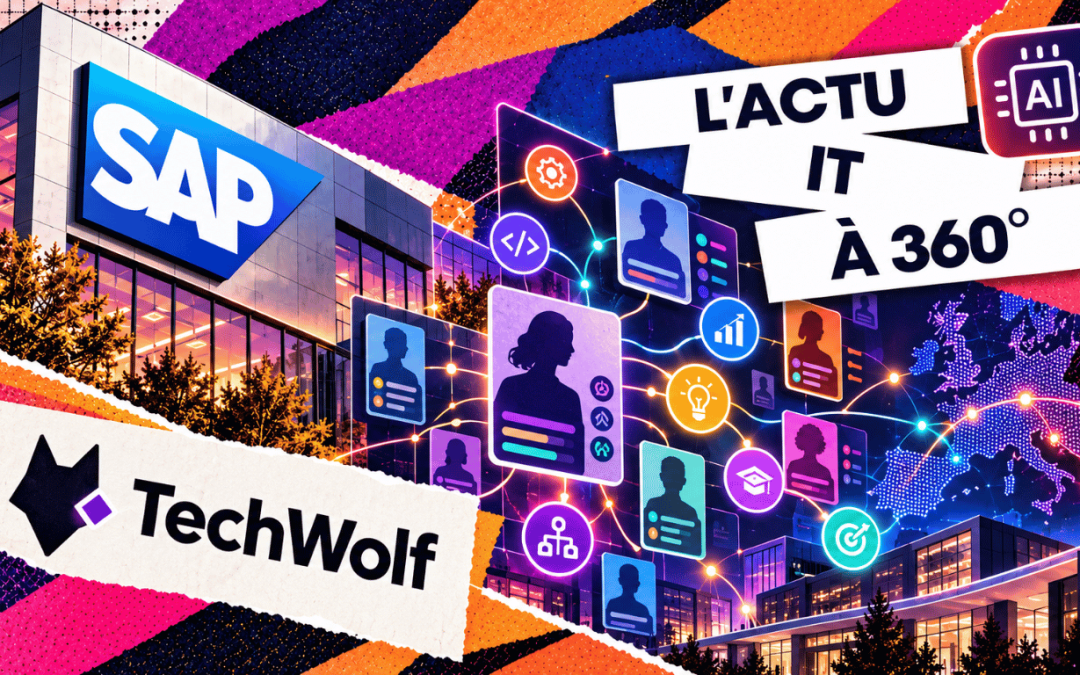
SAP wants to acquire TechWolf to link tasks, skills and the transformation of jobs
SAP has announced an agreement to acquire TechWolf, an AI platform that links tasks, skills and changes in the labour market. Completion is expected in the fourth quarter of 2026, subject in particular to regulatory approvals.[1] The deal raises a practical...