


AI finds flaws faster than companies can fix them
Artificial intelligence is profoundly transforming cybersecurity. While it makes it possible to detect vulnerabilities more quickly, it also creates a new challenge: the ability to fix a growing number of flaws within acceptable timeframes. This problem became particularly visible after the first results of Anthropic’s Project Glasswing, which claims to have identified several thousand vulnerabilities in open source software. Faced with this potential influx of fixes, IBM and Red Hat have unveiled Lightwell, an ambitious initiative designed to modernise security patch management across the open source ecosystem.
A platform designed to speed up fixes
With an announced budget of 5 billion dollars and drawing on nearly 20,000 engineers, the Lightwell project aims to create a security coordination layer capable of speeding up the detection, validation and integration of fixes1. The goal is not only to identify vulnerabilities, but above all to enable companies to quickly apply validated fixes in their production environments without disrupting operations. This approach reflects a simple reality: finding a flaw is often easier than fixing it effectively in complex infrastructure.
When AI meets human expertise
Unlike some fully automated visions, IBM and Red Hat advocate a hybrid approach. Artificial intelligence detects, analyses and prioritises vulnerabilities, while human experts oversee the validation and integration of fixes. According to Ashesh Badani, senior vice-president at Red Hat, this combination produces better results than automation alone. As digital infrastructure grows ever more complex, human oversight remains essential to guarantee system stability.
A response to the software supply chain challenge
One of the project’s major issues concerns the software supply chain. Companies today use thousands of open source components built into their applications. IBM says it is directly affected, with more than 62,000 software packages covering technologies such as Linux, Kubernetes, Kafka, Terraform, Cassandra and Ansible. When a vulnerability is discovered, every dependency must be assessed, fixed and validated. Lightwell seeks to automate part of this process in order to reduce response times and operational risks.
Fixes without service interruption
One of the platform’s promises is the ability to backport fixes to versions already deployed without requiring a full upgrade. This approach is particularly important for large companies that cannot quickly change critical environments. By relying on existing configuration files and dependencies that have already been validated, Lightwell aims to integrate fixes while preserving system stability and compliance.
Close collaboration with open source communities
IBM and Red Hat also stress the collaborative dimension of the project. Fixes developed for businesses are to be contributed back to the open source communities concerned. This approach aims to avoid fragmentation of fixes and to strengthen the security of the software ecosystem over the long term. Eventually, Lightwell is expected to extend its support beyond Java and Maven to other environments such as PyPI, npm and Go, which today account for a large share of modern software development.
Vulnerabilities become an industrial challenge
The explosion in the number of open source components used in applications is turning cybersecurity into an industrial challenge. According to several studies, more than 90% of modern software contains open source code2. Each new vulnerability can therefore affect thousands of organisations. The ability to identify, prioritise and rapidly deploy fixes is becoming a key element of companies’ digital resilience.
Understanding supply chain security is becoming essential
This development highlights a strategic skill: the cybersecurity of software and open source dependencies. Future IT professionals will need to understand the mechanisms of vulnerability management, dependency governance and patch automation. It is no longer just a matter of securing a piece of software, but of protecting an entire ecosystem of interconnections and third-party components.
Towards a new generation of automated security
With Lightwell, IBM and Red Hat illustrate an underlying trend: cybersecurity must adapt to the age of artificial intelligence. As AI systems become capable of detecting thousands of vulnerabilities at high speed, companies need tools that can keep up. For students and future IT professionals, this is a major development. It shows that tomorrow’s security will rely as much on intelligent automation as on human expertise.
360° IT News — decoding technology to understand the jobs of tomorrow.
Further reading
Automating vulnerability remediation is part of a wider transformation of cybersecurity, in which artificial intelligence plays a growing role in identifying and managing threats. This shift is pushing major technology players to invest heavily in infrastructure capable of analysing, detecting and responding to risks at scale. On a related topic, read our article “32 billion dollars: Google launches a cyber army of AI agents”, which analyses how artificial intelligence is redefining companies’ digital defence strategies.
References
1. IBM. (2026). Overview of the Lightwell project and securing open source.
https://www.ibm.com
2. Synopsys. (2025). Open Source Security and Risk Analysis Report.
https://www.synopsys.com
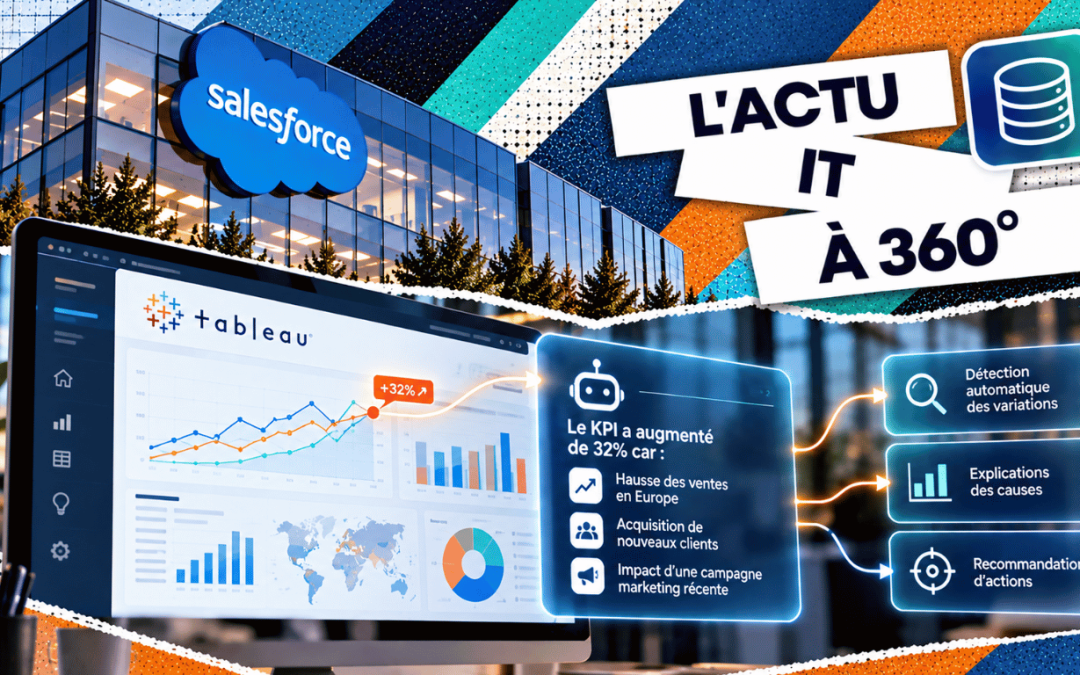
Salesforce wants to acquire Loops to help Tableau explain KPI changes
Salesforce has announced a definitive agreement to acquire Loops, an AI-based analytics platform, with the intention of integrating its technology into Tableau after closing.[1] The aim is to monitor metrics and bring out the factors associated with their changes. For...

Cisco and NVIDIA prepare 400 Gb/s-per-lane optical connections for AI infrastructure
Cisco and NVIDIA have announced a project for a pluggable optical form factor, USFP, capable of supporting 400 Gb/s per lane. Cisco is also unveiling the Silicon One G302 switching chip, rated at 51.2 Tb/s.[1] These announcements address a key challenge for AI...
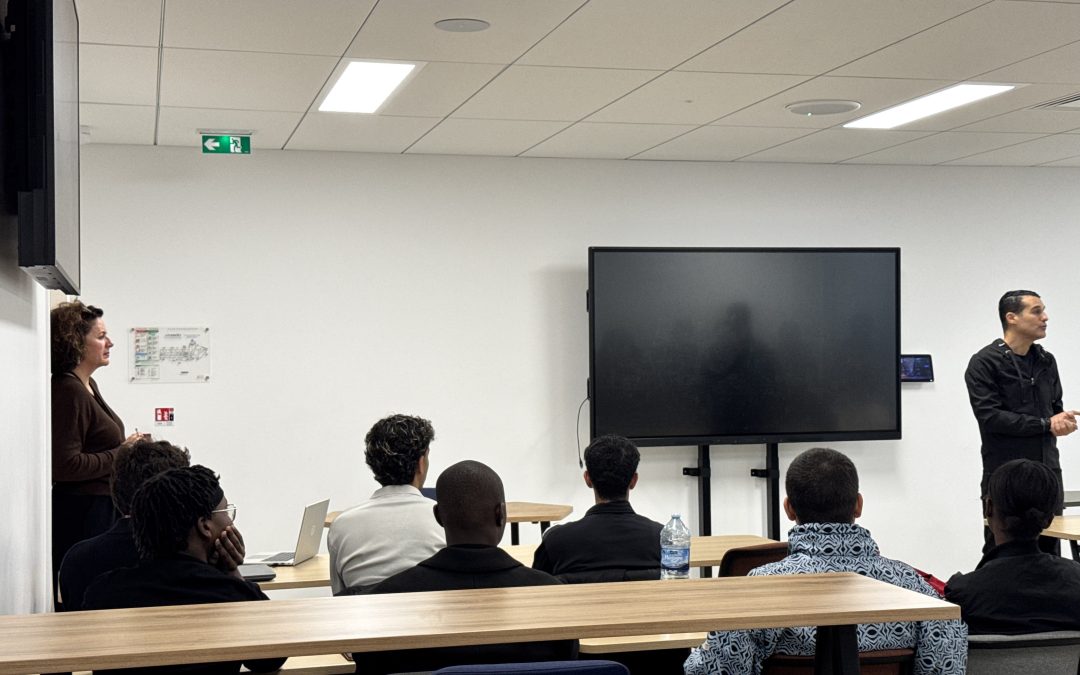
A new year begins at CCCLX!
The Paris-Villejuif campus welcomes CCCLX students for a new year of learning, projects and experiences at the heart of 360° IT.

VMware HyperArmor strengthens hypervisor protection against cyberattacks
Broadcom has unveiled VMware HyperArmor, a solution designed to protect the ESX hypervisor of VMware Cloud Foundation, with announced support for ESX 8.x and later versions.[1] The stakes go beyond the security of a single application: the hypervisor is a shared...

SolarWinds Avior: IT teams set the goals and agents coordinate the actions
SolarWinds has launched Avior, an agentic AI system designed to pursue operational goals in hybrid IT environments. Available since 14 October as part of a guided onboarding programme, it combines specialised agents with control mechanisms.[1] For technical teams, the...
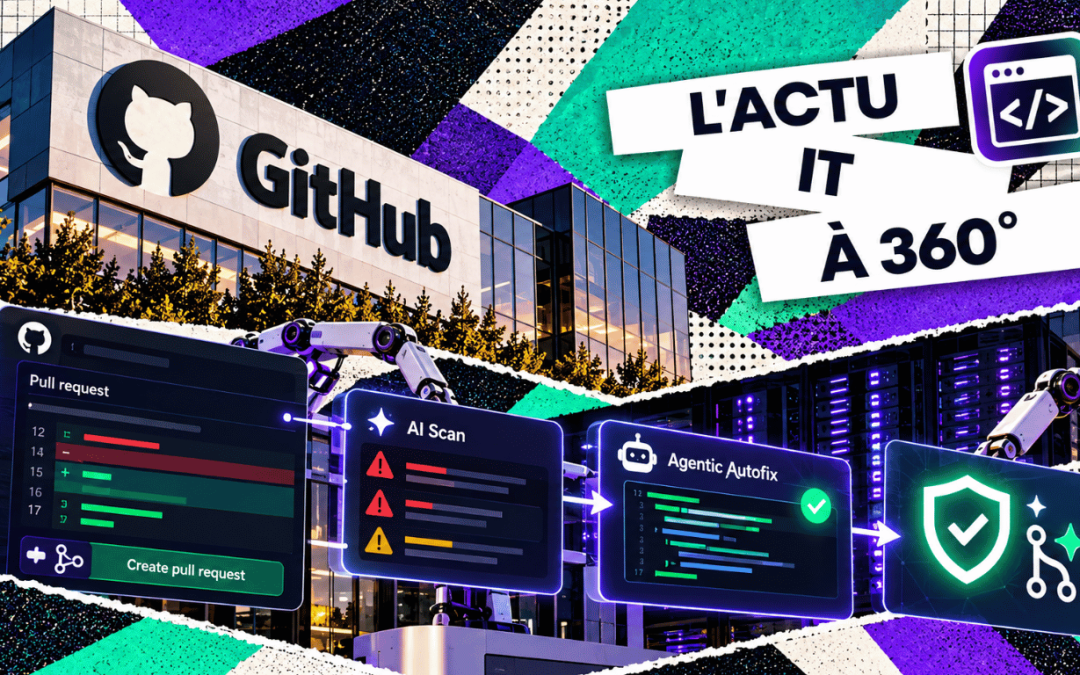
GitHub steps up vulnerability detection and remediation with AI Scan and Agentic Autofix
GitHub has announced the general availability of AI Scan for pull requests and Agentic Autofix for code scanning alerts.[1][2] These features bring AI assistance closer to the work of securing code. They do, however, operate on different scopes: proposed...

Cloudflare makes web security programmable with Workers
Cloudflare is bringing its secure web gateway closer to its Workers development platform. With Forward, available in public beta, businesses can add code to the processing of certain authorised HTTP requests.[2] For IT teams, this development opens up a...

Palo Alto Networks strengthens AI agent security around Claude Enterprise
PPalo Alto Networks has unveiled several updates to Prisma AIRS: protection of interactions with Claude Enterprise, analysis of the components used by agents and control of their exchanges with tools.[1] The stakes are concrete for businesses: preventing an assistant...
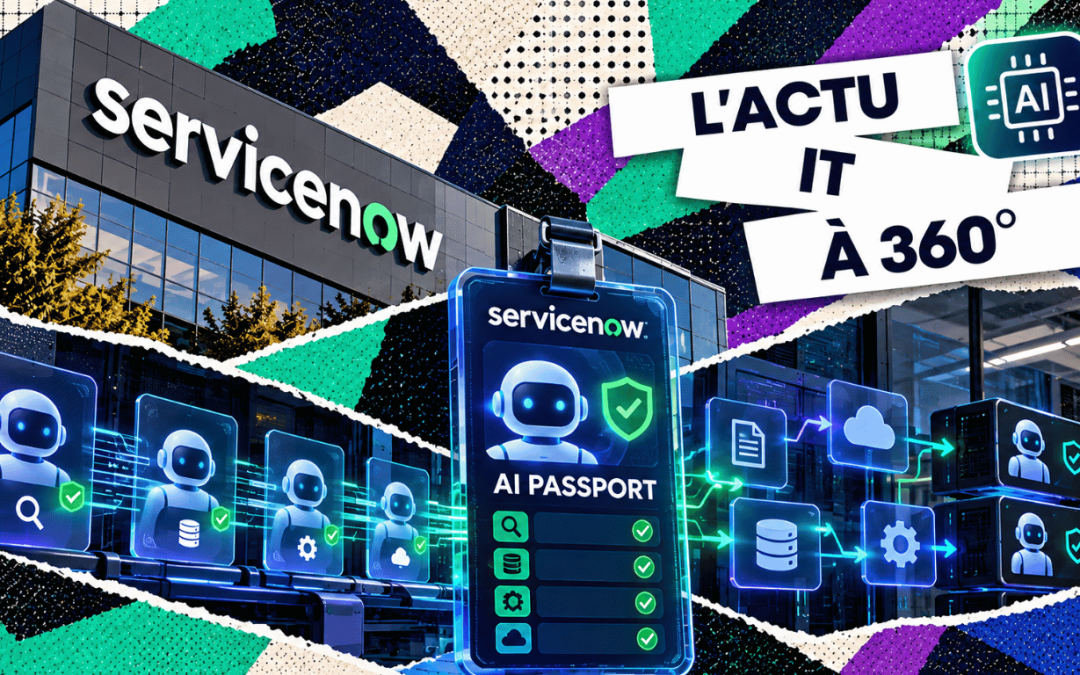
ServiceNow prepares AI Passport to control AI agents’ access rights
ServiceNow has announced AI Passport, a cryptographically signed authorisation credential designed to govern AI agents and MCP servers while workflows are running. It is scheduled to be available in the fourth quarter of 2026.[1] The image of a digital badge helps to...
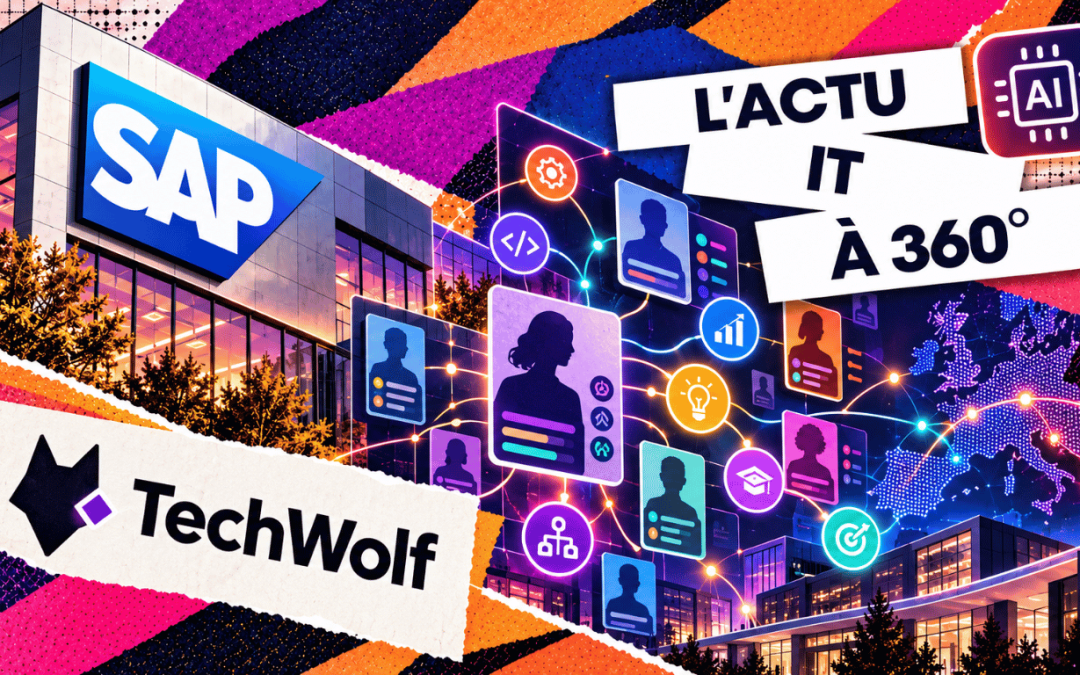
SAP wants to acquire TechWolf to link tasks, skills and the transformation of jobs
SAP has announced an agreement to acquire TechWolf, an AI platform that links tasks, skills and changes in the labour market. Completion is expected in the fourth quarter of 2026, subject in particular to regulatory approvals.[1] The deal raises a practical...