


A new generation of AI designed for specific uses
OpenAI is changing its strategy with the launch of GPT-5.6, a new family of models made up of Sol, Terra and Luna. Rather than offering a single model capable of meeting every need, the company is now betting on a modular approach in which each model is optimised for certain uses. This development also comes with ChatGPT Work, a new experience designed for professional environments. OpenAI thus confirms that the future of artificial intelligence will involve specialised models tailored to different user profiles and business needs.1
Three models to meet different needs
With GPT-5.6, OpenAI is segmenting its offering. The Sol, Terra and Luna models do not offer exactly the same capabilities or the same levels of performance. Some are optimised for everyday tasks, while others target uses that require more reasoning, code generation or automation. This specialisation makes it possible to use computing resources suited to each scenario, while giving companies more powerful tools according to their business needs.1
Access to models becomes a strategic factor
This new range also comes with tiered subscriptions. Free users and Go subscribers have limited access to certain models, while paying subscribers can use the entire GPT-5.6 family, notably in ChatGPT Work or Codex. OpenAI is thus adopting a logic similar to professional cloud services, where the most advanced features are reserved for organisations with greater needs in terms of performance, computing capacity and automation.2
Companies will be able to choose the most suitable AI
This development gives companies more flexibility. Depending on the project, they can opt for a fast model for day-to-day tasks, another specialising in software development or a more powerful model for complex analyses. This approach also makes it possible to optimise the cost of using artificial intelligence by selecting only the capabilities that are actually needed, without systematically calling on the most resource-hungry models.2
The market is moving towards specialised AI ecosystems
The launch of GPT-5.6 confirms a trend seen at several players in the sector. Vendors no longer develop a single universal model, but build ecosystems made up of several complementary AI systems. This strategy responds to the growing diversity of professional uses, whether software development, document research, data analysis or process automation. Artificial intelligence is gradually becoming a set of specialised services rather than a single assistant.3
Generative AI is becoming more specialised
The arrival of Sol, Terra and Luna shows that Generative Artificial Intelligence is evolving rapidly towards specialised models. Professionals will now need to understand the differences between these models, know how to select the one best suited to a given need and optimise their integration into business processes. This ability to choose and orchestrate several AI systems is becoming a real performance lever for companies.
AI enters a new phase of maturity
With GPT-5.6, OpenAI is not just launching a new generation of models. The company is changing the way artificial intelligence is offered to users. This modular approach could quickly become a market standard, with organisations building their own AI environment from specialised models able to meet ever more precise needs.
360° IT News — decoding technology to understand the jobs of tomorrow.
Further reading
The rapid progress of Mythos Preview illustrates how quickly the capabilities of the most advanced artificial intelligence models are accelerating. On a related topic, read our article “Claude Fable 5 leaves the free tier: Anthropic bets on professional use”, which analyses how Anthropic is now repositioning its most powerful models towards businesses and high-value uses.
References
1. OpenAI. (2026). Introducing GPT-5.6.
https://openai.com
2. OpenAI. (2026). ChatGPT Work Documentation.
https://help.openai.com
3. OpenAI. (2026). ChatGPT Plans and Pricing.
https://openai.com/chatgpt/pricing
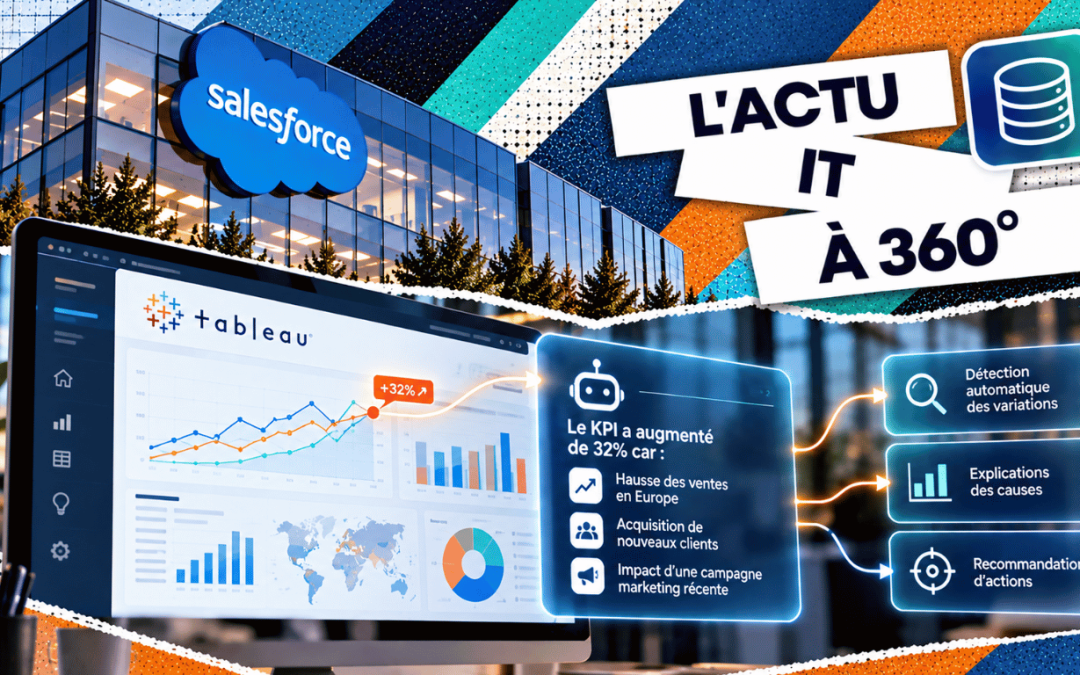
Salesforce wants to acquire Loops to help Tableau explain KPI changes
Salesforce has announced a definitive agreement to acquire Loops, an AI-based analytics platform, with the intention of integrating its technology into Tableau after closing.[1] The aim is to monitor metrics and bring out the factors associated with their changes. For...

Cisco and NVIDIA prepare 400 Gb/s-per-lane optical connections for AI infrastructure
Cisco and NVIDIA have announced a project for a pluggable optical form factor, USFP, capable of supporting 400 Gb/s per lane. Cisco is also unveiling the Silicon One G302 switching chip, rated at 51.2 Tb/s.[1] These announcements address a key challenge for AI...
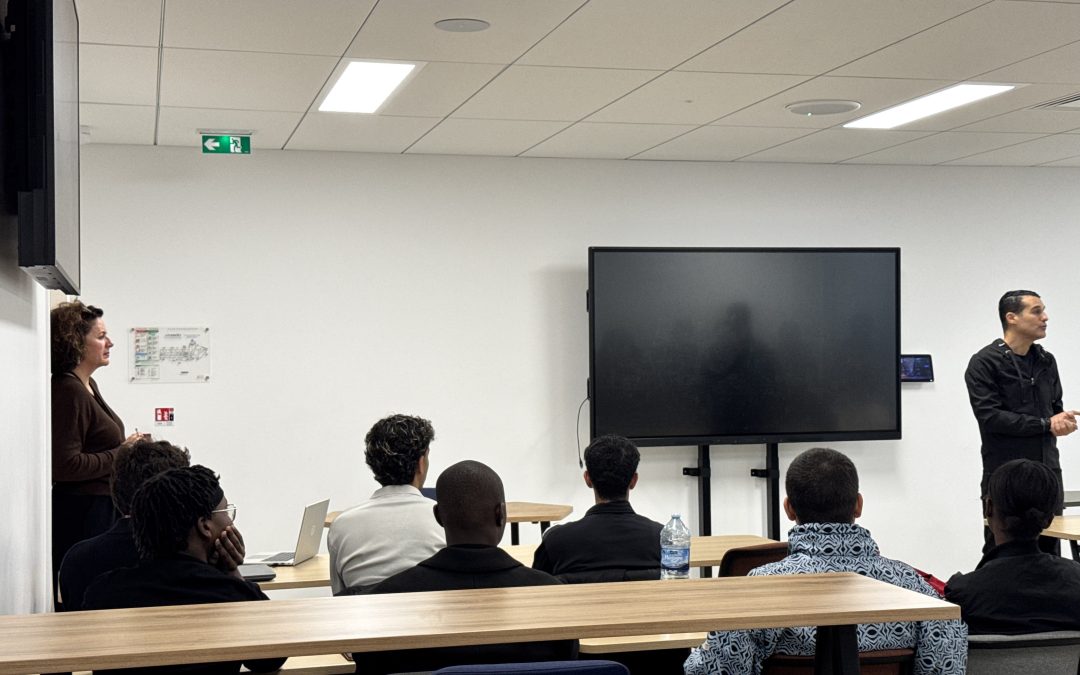
A new year begins at CCCLX!
The Paris-Villejuif campus welcomes CCCLX students for a new year of learning, projects and experiences at the heart of 360° IT.

VMware HyperArmor strengthens hypervisor protection against cyberattacks
Broadcom has unveiled VMware HyperArmor, a solution designed to protect the ESX hypervisor of VMware Cloud Foundation, with announced support for ESX 8.x and later versions.[1] The stakes go beyond the security of a single application: the hypervisor is a shared...

SolarWinds Avior: IT teams set the goals and agents coordinate the actions
SolarWinds has launched Avior, an agentic AI system designed to pursue operational goals in hybrid IT environments. Available since 14 October as part of a guided onboarding programme, it combines specialised agents with control mechanisms.[1] For technical teams, the...
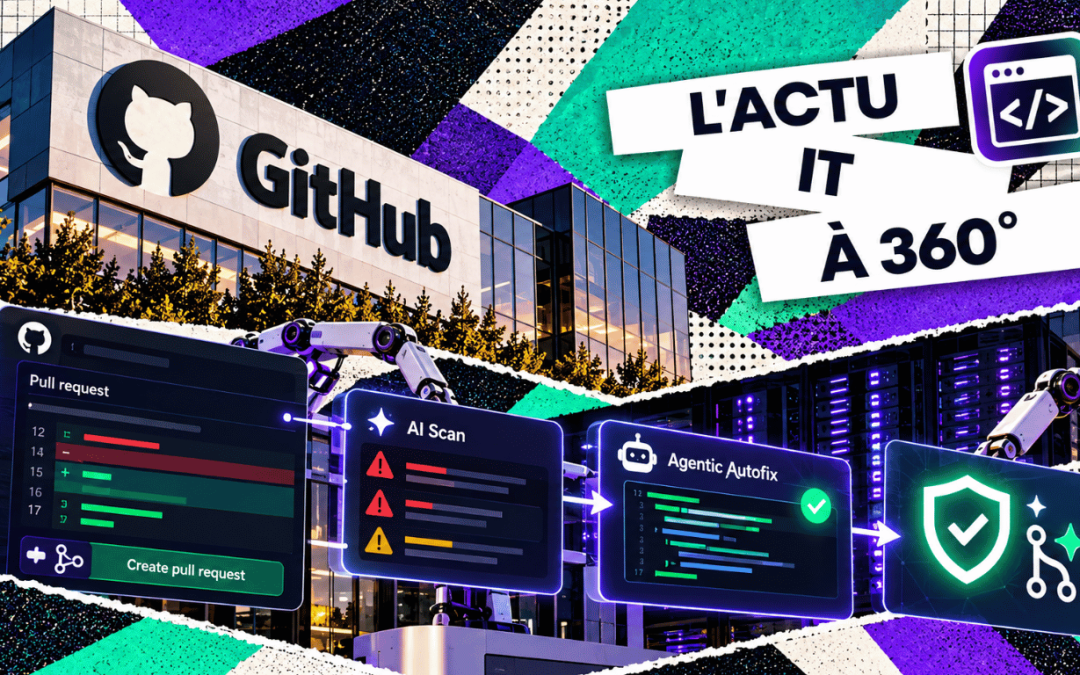
GitHub steps up vulnerability detection and remediation with AI Scan and Agentic Autofix
GitHub has announced the general availability of AI Scan for pull requests and Agentic Autofix for code scanning alerts.[1][2] These features bring AI assistance closer to the work of securing code. They do, however, operate on different scopes: proposed...

Cloudflare makes web security programmable with Workers
Cloudflare is bringing its secure web gateway closer to its Workers development platform. With Forward, available in public beta, businesses can add code to the processing of certain authorised HTTP requests.[2] For IT teams, this development opens up a...

Palo Alto Networks strengthens AI agent security around Claude Enterprise
PPalo Alto Networks has unveiled several updates to Prisma AIRS: protection of interactions with Claude Enterprise, analysis of the components used by agents and control of their exchanges with tools.[1] The stakes are concrete for businesses: preventing an assistant...
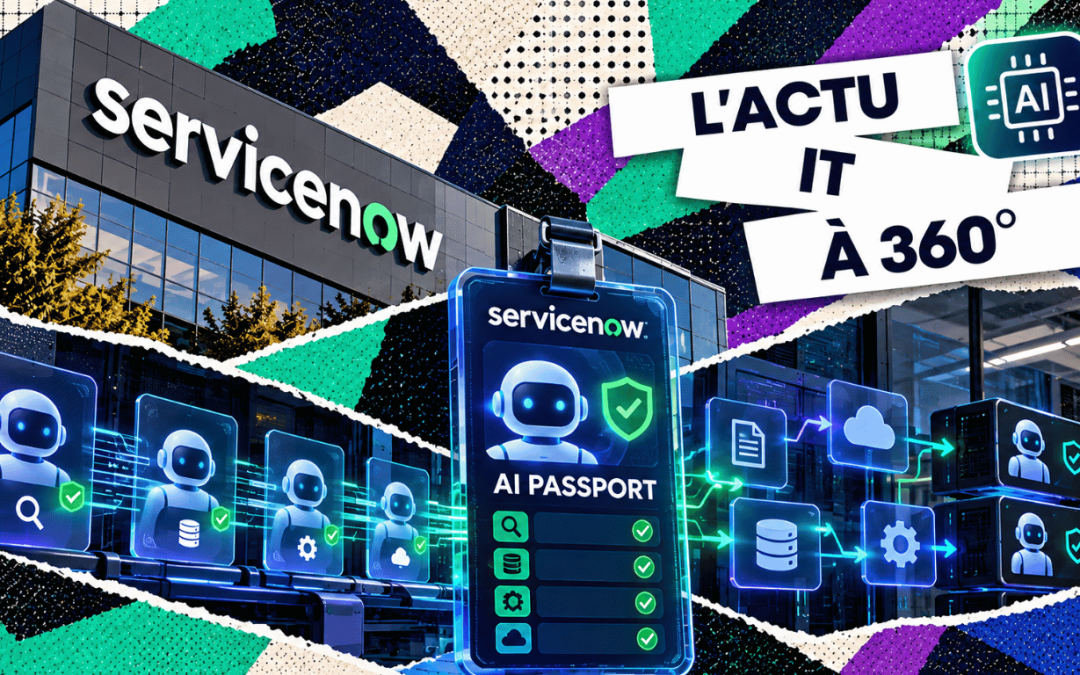
ServiceNow prepares AI Passport to control AI agents’ access rights
ServiceNow has announced AI Passport, a cryptographically signed authorisation credential designed to govern AI agents and MCP servers while workflows are running. It is scheduled to be available in the fourth quarter of 2026.[1] The image of a digital badge helps to...
SAP wants to acquire TechWolf to link tasks, skills and the transformation of jobs
SAP has announced an agreement to acquire TechWolf, an AI platform that links tasks, skills and changes in the labour market. Completion is expected in the fourth quarter of 2026, subject in particular to regulatory approvals.[1] The deal raises a practical...