


Microsoft hands part of the bug hunt to artificial intelligence
Cyberattacks are evolving ever faster, forcing software vendors to detect vulnerabilities before they can even be exploited. To meet this challenge, Microsoft has unveiled MDASH (Microsoft Detection and Analysis Security Harness), a system based on several artificial intelligence agents capable of analysing Windows code to identify, classify and prioritise potential vulnerabilities. The aim is not to replace cybersecurity experts, but to give them an assistant capable of considerably speeding up the analysis of the millions of lines of code that make up Microsoft’s software.1
AI agents specialised in code analysis
Unlike traditional vulnerability detection tools, MDASH relies on several artificial intelligence models working together. Each agent examines the code from a different angle to identify suspicious behaviour, programming errors or flaws likely to be exploited. The results are then grouped and ranked to highlight the vulnerabilities with the highest level of risk. This approach allows development teams to focus their efforts on the most critical fixes.1
Detecting flaws before they reach users
One of MDASH’s main goals is to step in very early in the software development lifecycle. By identifying vulnerabilities before release, Microsoft reduces the risk of having to publish emergency patches after a flaw is discovered. This strategy also shortens the time between a security defect appearing and its being fixed, a factor that has become essential now that cybercriminals are using artificial intelligence to speed up their own vulnerability research.2
AI assists experts, it does not replace them
Microsoft stresses one important point: MDASH does not make decisions in place of security engineers. The AI agents analyse the code, suggest priorities and highlight the most likely anomalies, but final validation remains in the hands of human experts. This collaboration makes it possible to automate repetitive tasks while retaining the expertise needed to interpret the results, confirm vulnerabilities and define the most appropriate fixes.2
A new approach to secure development
The arrival of tools such as MDASH illustrates a profound change in software development methods. Security checks are no longer carried out only at the end of a project. They are now built in continuously thanks to systems capable of automatically analysing code at every stage of its evolution. This approach improves software quality while reducing the costs of fixing flaws discovered after deployment.3
Cybersecurity now relies on intelligent agents
This development shows why Cybersecurity is becoming an essential skill in modern software development. Professionals now need to understand how artificial intelligence tools that can analyse code, identify vulnerabilities and automate part of security audits actually work. Knowing how to collaborate with these agents while retaining human expertise is becoming essential to designing ever safer software.
Artificial intelligence is also transforming software security
With MDASH, Microsoft shows that artificial intelligence is no longer used solely to create content or automate office tasks. It is also becoming a defensive tool built into the software development lifecycle. As applications grow more complex and threats evolve, AI agents could become indispensable partners for cybersecurity teams, capable of improving software quality before it even reaches users’ hands.
360° IT News — decoding technology to understand the jobs of tomorrow.
Further reading
Artificial intelligence plays a growing role in the defence strategies of major technology companies. On a related topic, read our article “Microsoft accelerates its cybersecurity with AI: defence moves to machine scale”, which explains how Microsoft is using AI to strengthen all of its security operations as part of its Secure Future Initiative.
References
1. Microsoft Security. (2026). Introducing MDASH: AI-assisted vulnerability detection for Windows.
https://www.microsoft.com/security
2. Microsoft Security Response Center. (2026). Secure Development with AI.
https://msrc.microsoft.com
3. Microsoft. (2026). Secure Future Initiative.
https://www.microsoft.com/security/blog
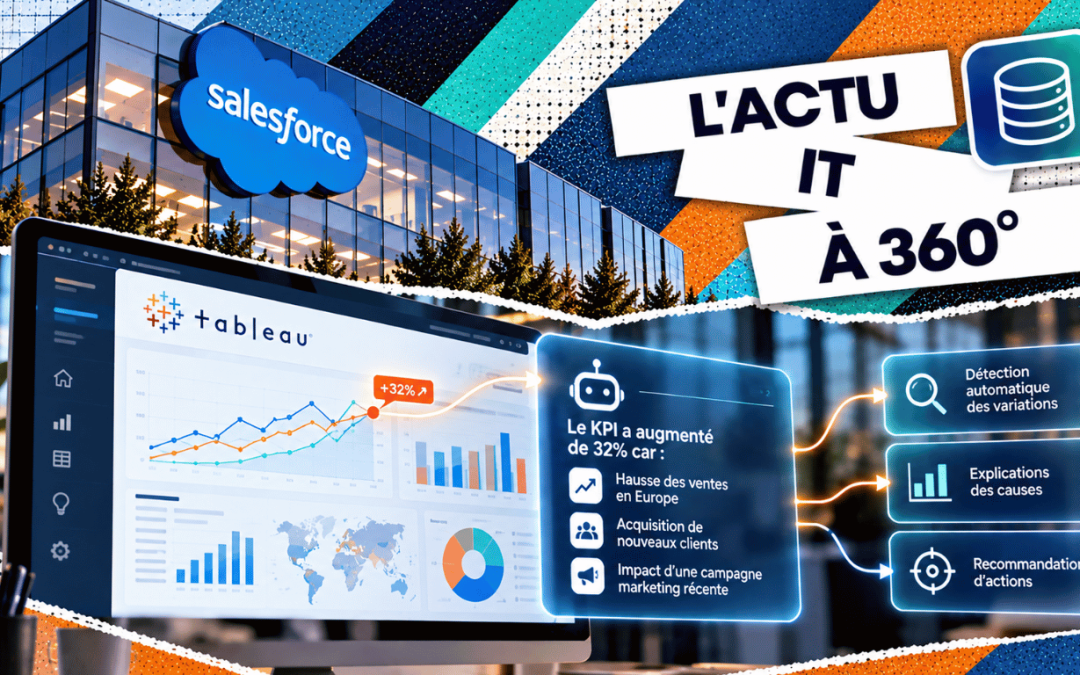
Salesforce wants to acquire Loops to help Tableau explain KPI changes
Salesforce has announced a definitive agreement to acquire Loops, an AI-based analytics platform, with the intention of integrating its technology into Tableau after closing.[1] The aim is to monitor metrics and bring out the factors associated with their changes. For...

Cisco and NVIDIA prepare 400 Gb/s-per-lane optical connections for AI infrastructure
Cisco and NVIDIA have announced a project for a pluggable optical form factor, USFP, capable of supporting 400 Gb/s per lane. Cisco is also unveiling the Silicon One G302 switching chip, rated at 51.2 Tb/s.[1] These announcements address a key challenge for AI...
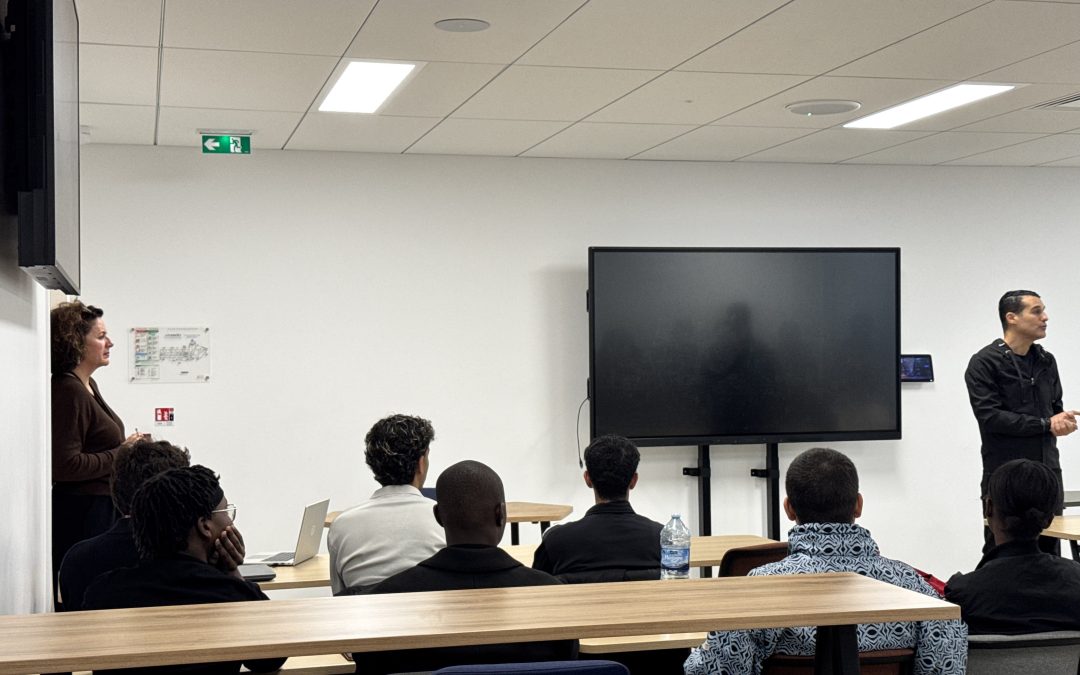
A new year begins at CCCLX!
The Paris-Villejuif campus welcomes CCCLX students for a new year of learning, projects and experiences at the heart of 360° IT.

VMware HyperArmor strengthens hypervisor protection against cyberattacks
Broadcom has unveiled VMware HyperArmor, a solution designed to protect the ESX hypervisor of VMware Cloud Foundation, with announced support for ESX 8.x and later versions.[1] The stakes go beyond the security of a single application: the hypervisor is a shared...

SolarWinds Avior: IT teams set the goals and agents coordinate the actions
SolarWinds has launched Avior, an agentic AI system designed to pursue operational goals in hybrid IT environments. Available since 14 October as part of a guided onboarding programme, it combines specialised agents with control mechanisms.[1] For technical teams, the...
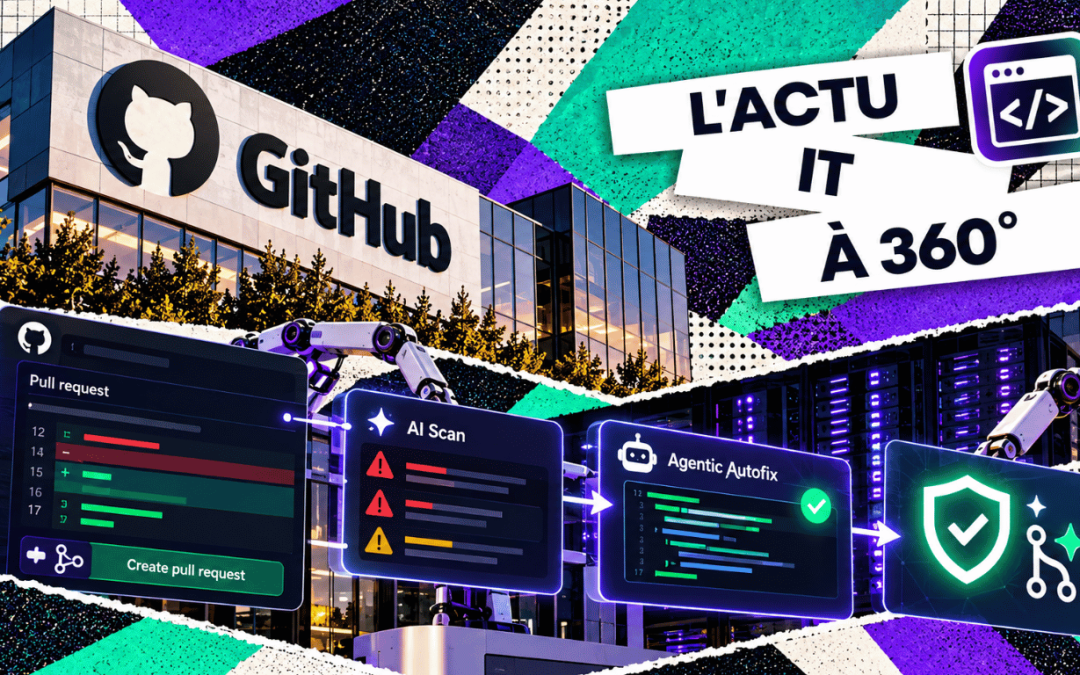
GitHub steps up vulnerability detection and remediation with AI Scan and Agentic Autofix
GitHub has announced the general availability of AI Scan for pull requests and Agentic Autofix for code scanning alerts.[1][2] These features bring AI assistance closer to the work of securing code. They do, however, operate on different scopes: proposed...

Cloudflare makes web security programmable with Workers
Cloudflare is bringing its secure web gateway closer to its Workers development platform. With Forward, available in public beta, businesses can add code to the processing of certain authorised HTTP requests.[2] For IT teams, this development opens up a...

Palo Alto Networks strengthens AI agent security around Claude Enterprise
PPalo Alto Networks has unveiled several updates to Prisma AIRS: protection of interactions with Claude Enterprise, analysis of the components used by agents and control of their exchanges with tools.[1] The stakes are concrete for businesses: preventing an assistant...

ServiceNow prepares AI Passport to control AI agents’ access rights
ServiceNow has announced AI Passport, a cryptographically signed authorisation credential designed to govern AI agents and MCP servers while workflows are running. It is scheduled to be available in the fourth quarter of 2026.[1] The image of a digital badge helps to...
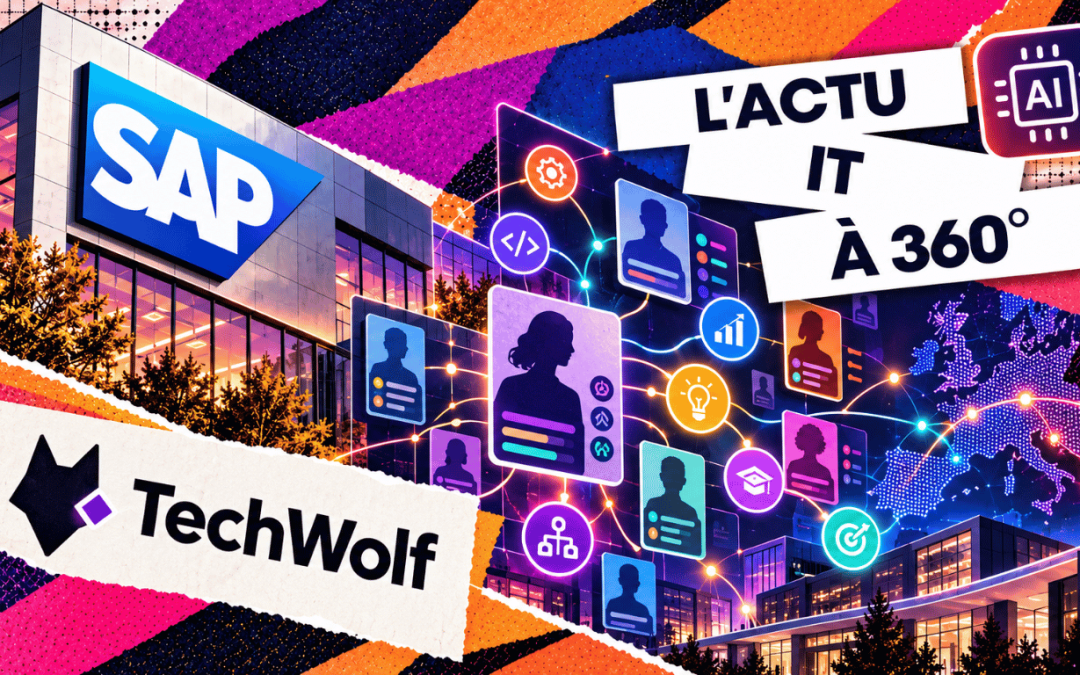
SAP wants to acquire TechWolf to link tasks, skills and the transformation of jobs
SAP has announced an agreement to acquire TechWolf, an AI platform that links tasks, skills and changes in the labour market. Completion is expected in the fourth quarter of 2026, subject in particular to regulatory approvals.[1] The deal raises a practical...