


Serverless enters a new phase
The cloud is evolving to meet the needs of a new generation of applications based on agentic artificial intelligence. As AI agents become capable of carrying out complex tasks for hours at a time, traditional serverless architectures are showing their limits. To support this shift, AWS is upgrading Lambda with a new offering based on Firecracker microVMs, the same technology that already powers AgentCore Runtime. This announcement illustrates a deeper transformation of cloud infrastructure, now designed to host intelligent, autonomous and always-available applications.1
MicroVMs push back Lambda’s limits
The new microVMs profoundly change the way Lambda works. Unlike conventional functions limited to fifteen minutes of execution, they can run for up to eight hours and offer a far more complete environment. Developers have shell access, can install packages, mount file systems and run their applications directly from a Dockerfile. Each microVM also has its own secure endpoint compatible with HTTP, WebSockets, gRPC and Server-Sent Events. Combined with SnapStart, which captures a snapshot of the environment to eliminate start-up times, this architecture brings Lambda closer to a true execution platform for persistent applications.1
Infrastructure designed for agentic AI
Although AWS does not officially present this development as an extension of AgentCore, the similarities are numerous. The microVMs use Firecracker, the technology already employed by AWS’s AI agent services, and address the same technical constraints: running third-party code, preserving session state, isolating users and delivering high performance while retaining the flexibility of serverless. AWS also offers a reference architecture for Anthropic’s Claude Managed Agents, in which each conversation runs in its own microVM while orchestration remains in Claude’s hands, illustrating the direction taken by future artificial intelligence platforms.2
Much more than a simple Lambda upgrade
The use cases presented by AWS show that these microVMs are not reserved for AI agents. They can also host data analytics platforms, vulnerability scanners, CI/CD environments, game servers or sandboxes designed to reproduce software bugs. Among the first users is ClickHouse, which uses the technology to run its chDB analytics engine, launch federated queries, create on-demand test environments or provide dedicated memory for each agentic session. This diversity shows that microVMs represent a major development in serverless execution well beyond the field of artificial intelligence alone.1
The cloud becomes an intelligent execution platform
The introduction of microVMs confirms an underlying trend: cloud providers no longer seek merely to host applications, but to offer environments that can adapt dynamically to the needs of intelligent workloads. The new microVMs can be suspended when idle while retaining their memory state and storage, then restart instantly when a new request arrives. This capability reduces operating costs while giving AI agents a persistent environment, an essential feature for applications that alternate between periods of inactivity and intensive computing phases.1
Cloud Computing becomes an essential skill
This development shows that cloud infrastructure is becoming ever more sophisticated and demands advanced technical skills. Understanding serverless architectures, virtualisation technologies, containers, microVMs and orchestration mechanisms is becoming indispensable for designing the platforms that will host tomorrow’s applications. This is precisely what the Cloud Computing skill taught at CCCLX develops. It enables future professionals to master modern cloud services, understand how they work and help companies design infrastructure capable of supporting new generations of AI-based applications.
AWS is already preparing the infrastructure for tomorrow’s applications
With this upgrade to Lambda, AWS is not just seeking to improve its serverless offering. The provider is laying the technical foundations that will allow future autonomous agents to run in secure, scalable and economically viable environments. As intelligent applications gain autonomy, cloud infrastructure will need to offer greater persistence, flexibility and isolation. MicroVMs are a first response to this transformation and herald a new generation of platforms designed to support the rise of agentic AI.
360° IT News — decoding technology to understand the jobs of tomorrow.
Further reading
Lambda’s microVMs illustrate how cloud infrastructure is evolving into platforms designed specifically for intelligent agents. This transformation also affects the services responsible for connecting these agents to company data. On a related topic, read our article “AWS strengthens OpenSearch to connect AI to enterprise data”, which explains how AWS is adapting its search engine to make it easier for AI agents to access information spread across information systems.
References
1. AWS. (2026). AWS Lambda MicroVMs Preview.
https://aws.amazon.com/
2. AWS. (2026). Firecracker MicroVM Documentation.
https://firecracker-microvm.github.io/
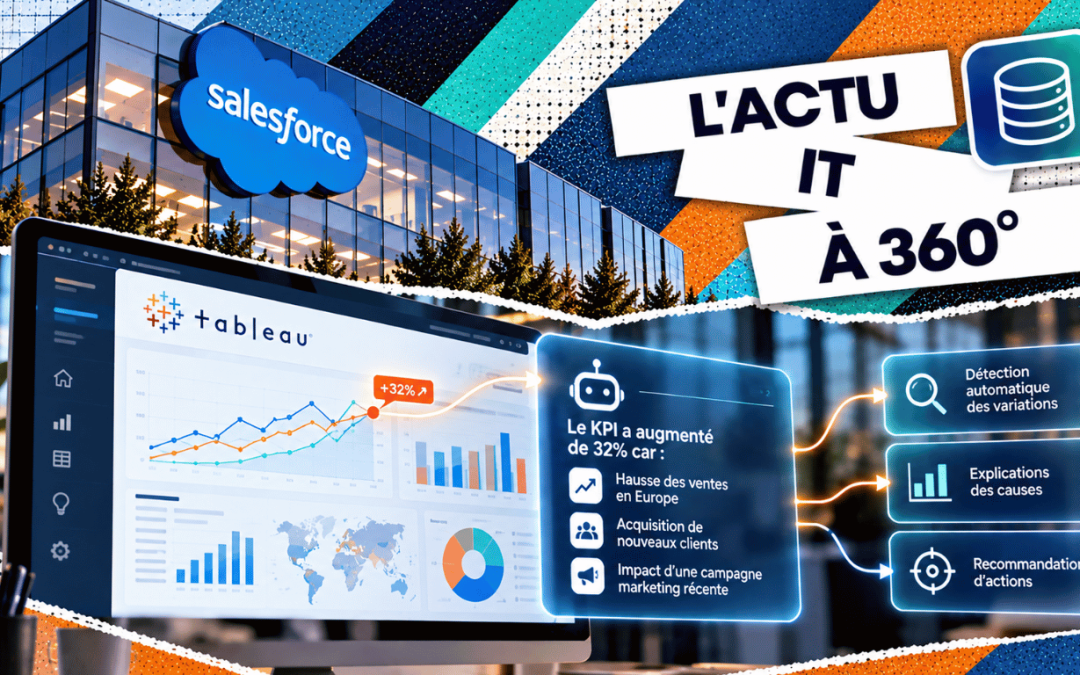
Salesforce wants to acquire Loops to help Tableau explain KPI changes
Salesforce has announced a definitive agreement to acquire Loops, an AI-based analytics platform, with the intention of integrating its technology into Tableau after closing.[1] The aim is to monitor metrics and bring out the factors associated with their changes. For...
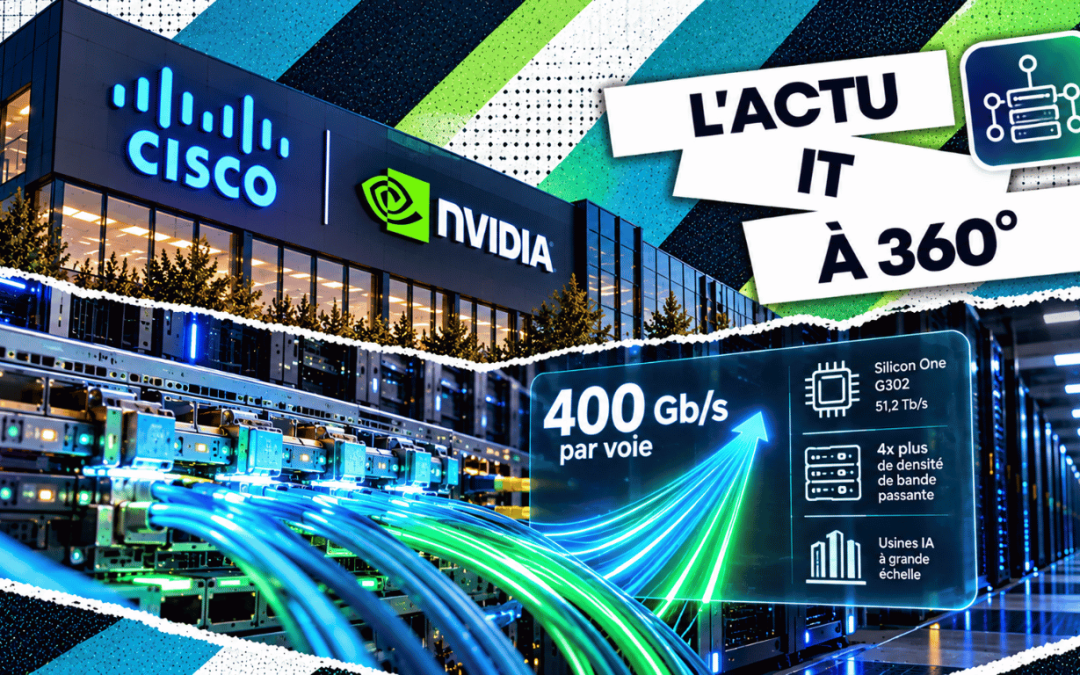
Cisco and NVIDIA prepare 400 Gb/s-per-lane optical connections for AI infrastructure
Cisco and NVIDIA have announced a project for a pluggable optical form factor, USFP, capable of supporting 400 Gb/s per lane. Cisco is also unveiling the Silicon One G302 switching chip, rated at 51.2 Tb/s.[1] These announcements address a key challenge for AI...
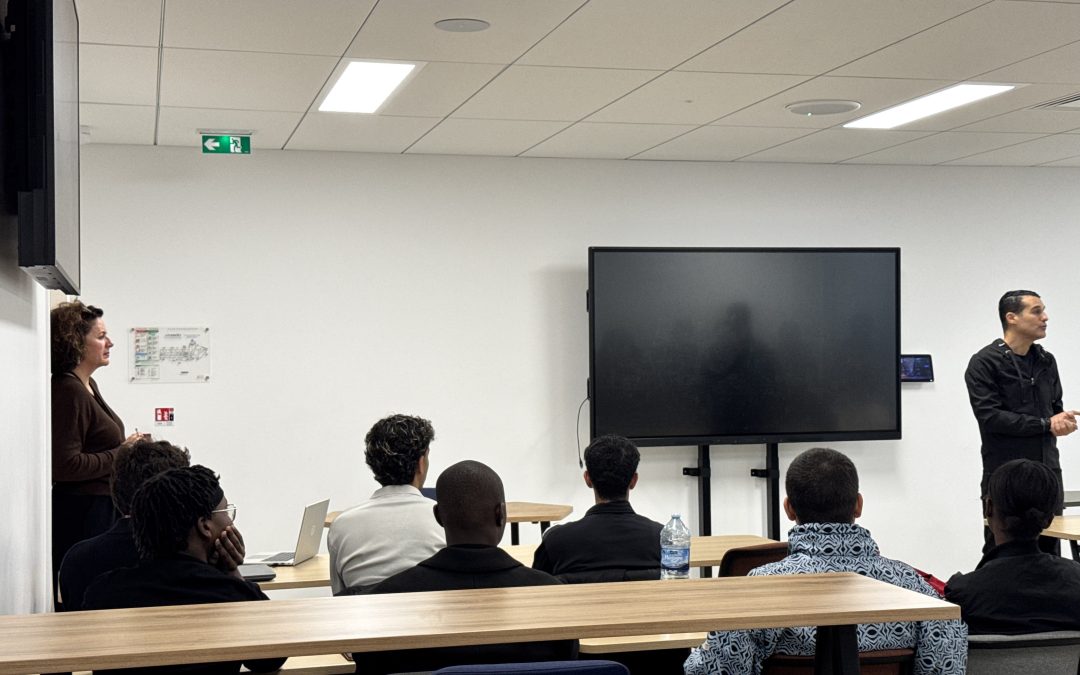
A new year begins at CCCLX!
The Paris-Villejuif campus welcomes CCCLX students for a new year of learning, projects and experiences at the heart of 360° IT.

VMware HyperArmor strengthens hypervisor protection against cyberattacks
Broadcom has unveiled VMware HyperArmor, a solution designed to protect the ESX hypervisor of VMware Cloud Foundation, with announced support for ESX 8.x and later versions.[1] The stakes go beyond the security of a single application: the hypervisor is a shared...
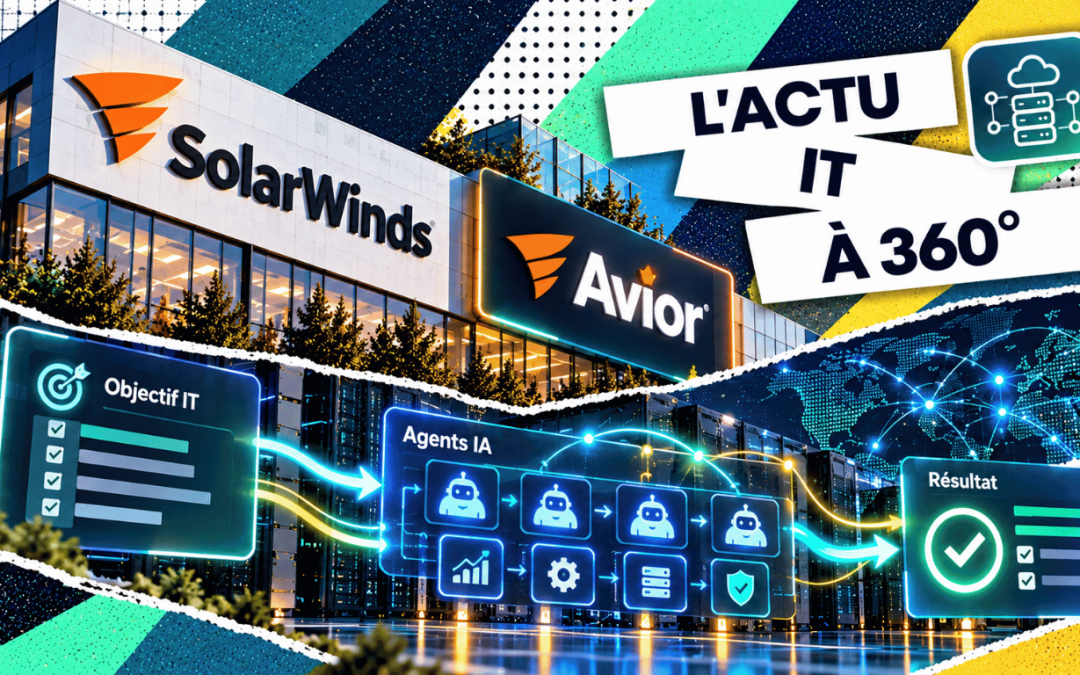
SolarWinds Avior: IT teams set the goals and agents coordinate the actions
SolarWinds has launched Avior, an agentic AI system designed to pursue operational goals in hybrid IT environments. Available since 14 October as part of a guided onboarding programme, it combines specialised agents with control mechanisms.[1] For technical teams, the...
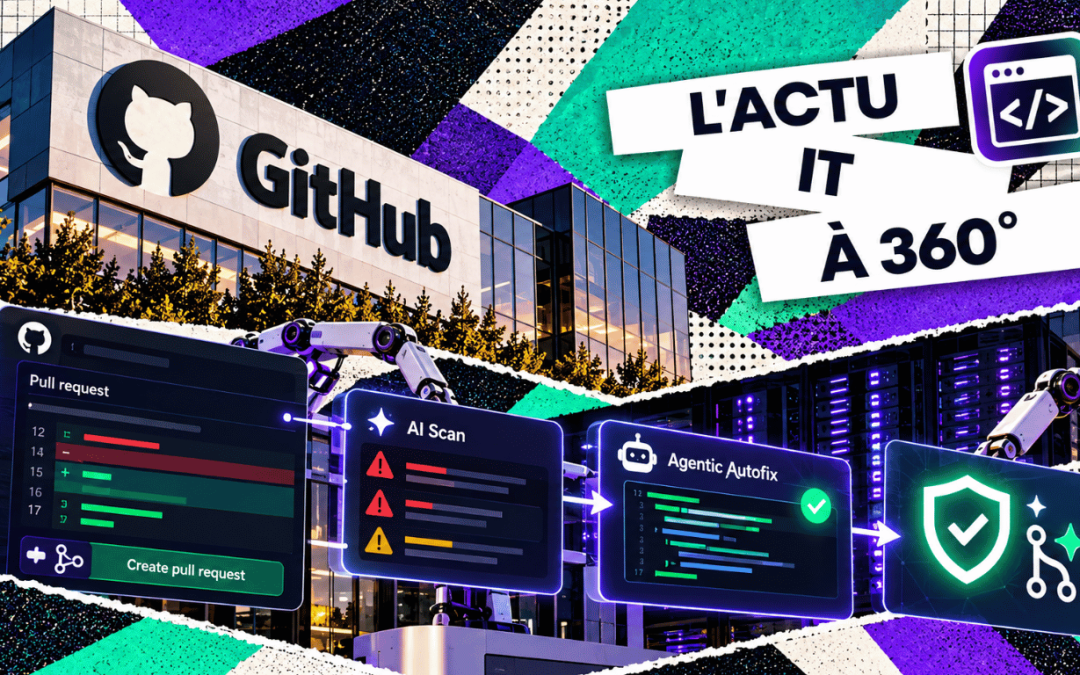
GitHub steps up vulnerability detection and remediation with AI Scan and Agentic Autofix
GitHub has announced the general availability of AI Scan for pull requests and Agentic Autofix for code scanning alerts.[1][2] These features bring AI assistance closer to the work of securing code. They do, however, operate on different scopes: proposed...

Cloudflare makes web security programmable with Workers
Cloudflare is bringing its secure web gateway closer to its Workers development platform. With Forward, available in public beta, businesses can add code to the processing of certain authorised HTTP requests.[2] For IT teams, this development opens up a...

Palo Alto Networks strengthens AI agent security around Claude Enterprise
PPalo Alto Networks has unveiled several updates to Prisma AIRS: protection of interactions with Claude Enterprise, analysis of the components used by agents and control of their exchanges with tools.[1] The stakes are concrete for businesses: preventing an assistant...
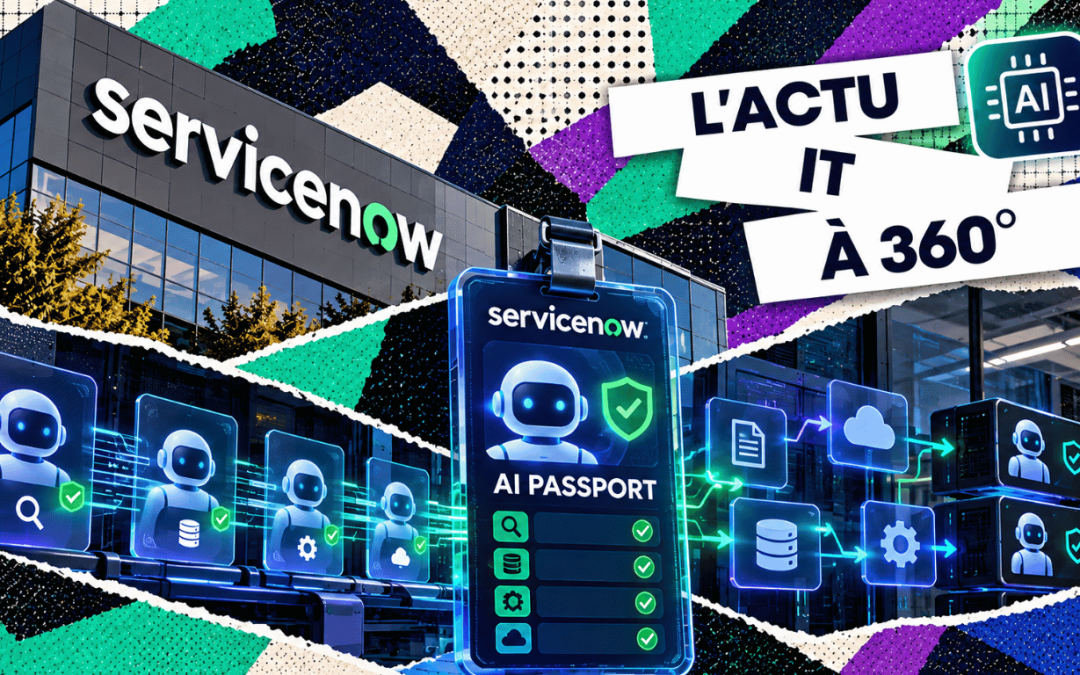
ServiceNow prepares AI Passport to control AI agents’ access rights
ServiceNow has announced AI Passport, a cryptographically signed authorisation credential designed to govern AI agents and MCP servers while workflows are running. It is scheduled to be available in the fourth quarter of 2026.[1] The image of a digital badge helps to...
SAP wants to acquire TechWolf to link tasks, skills and the transformation of jobs
SAP has announced an agreement to acquire TechWolf, an AI platform that links tasks, skills and changes in the labour market. Completion is expected in the fourth quarter of 2026, subject in particular to regulatory approvals.[1] The deal raises a practical...