


Artificial intelligence is putting new strain on infrastructure
Artificial intelligence is often associated with graphics processors and massive computing centres. Yet another essential component of digital infrastructure is coming under unprecedented pressure: storage. According to the latest market analyses, the explosion of agentic AI and inference workloads is causing a shortage of enterprise SSDs, leading to a dramatic rise in prices. In just a few months, contract prices have risen by around 80%, revealing a new challenge for companies engaged in digital transformation.
Storage becomes the new fuel of AI
For several years, attention focused mainly on the computing power needed to train artificial intelligence models. Today, the market is changing. Companies are now deploying AI agents, intelligent assistants and applications capable of interacting in real time with users and databases. This inference phase requires fast, constant access to huge volumes of data, making SSDs a strategic resource for modern infrastructure.
Demand outstripping production capacity
According to TrendForce, the enterprise SSD market recorded quarter-on-quarter growth of more than 86% in the first quarter of 20261. This exceptional growth is driven mainly by cloud service providers, which are stepping up investment to meet growing demand for artificial intelligence capacity. Faced with this influx of orders, production capacity is struggling to keep up. Manufacturers’ inventories are at historically low levels, fuelling strong pressure on prices.
Memory giants are reaping the benefits
This situation directly benefits the main players in the memory market. Samsung retains its dominant position with more than $7 billion in quarterly revenue, while SK hynix, Solidigm, Micron, Kioxia and SanDisk are also seeing strong growth in their businesses1. To meet demand, several manufacturers are redirecting their production capacity towards high-density enterprise SSDs, sometimes at the expense of other segments such as smartphones or consumer computers.
Agentic AI is changing data centre architecture
The rise of agentic AI is profoundly transforming digital infrastructure. Models need fast access to vast datasets, must retain context histories and interact with multiple systems. This considerably increases the need for fast storage. Whereas GPUs had until now been seen as the main limiting factor, SSDs are now becoming an equally critical element in ensuring the performance of AI platforms.
Companies are discovering a new hidden cost
For many organisations, the rise in SSD prices is an indirect cost of adopting artificial intelligence. The investment required no longer concerns only models, software licences or computing capacity. Storage infrastructure must also be sized to absorb growing volumes of data and guarantee response times compatible with modern AI use cases. This reality could weigh on IT budgets in the coming years.
Storage becomes a strategic issue
As intelligent systems become widespread, storage availability is becoming a competitive factor. Companies able to secure their supplies and optimise their infrastructure will have a significant advantage over their competitors. This development is reminiscent of the race for GPUs seen in recent years, but it now concerns a less visible yet essential component of the digital ecosystem.
Understanding data infrastructure is becoming indispensable
This transformation highlights a strategic skill: managing storage and data infrastructure. Future IT professionals will need to understand high-performance storage mechanisms, cloud architectures and the specific needs of artificial intelligence applications. In a world where data feeds models, mastering storage is becoming as important as mastering compute.
Infrastructure becomes AI’s next challenge
With this surge in enterprise SSD prices, the industry is discovering that the AI revolution does not rest on algorithms alone. Physical infrastructure, long taken for granted, is in turn becoming a strategic resource. For students and future IT professionals, this development reveals a profound change: the success of artificial intelligence projects will depend as much on the quality of the infrastructure as on the performance of the models themselves.
360° IT News — decoding technology to understand the jobs of tomorrow.
Further reading
Soaring SSD prices show that the rise of artificial intelligence depends not only on models but also on infrastructure capable of storing and processing ever-growing volumes of data. This pressure is felt across the entire technology chain, from data centres to specialised hardware components. On a related topic, read our article “ Data centre boom: Legrand goes on the offensive in China and the UK ”, which examines how manufacturers are preparing for the rapid growth of the infrastructure needed for AI.
References
1. TrendForce. (2026). Enterprise SSD Market Analysis Q1 2026.
https://www.trendforce.com
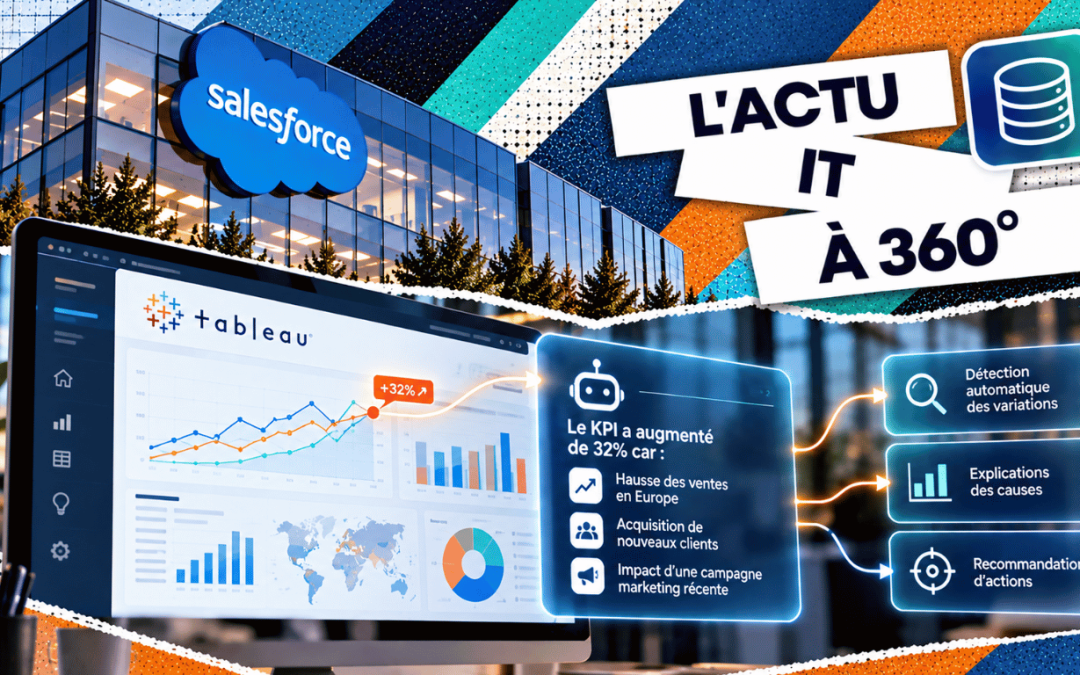
Salesforce wants to acquire Loops to help Tableau explain KPI changes
Salesforce has announced a definitive agreement to acquire Loops, an AI-based analytics platform, with the intention of integrating its technology into Tableau after closing.[1] The aim is to monitor metrics and bring out the factors associated with their changes. For...

Cisco and NVIDIA prepare 400 Gb/s-per-lane optical connections for AI infrastructure
Cisco and NVIDIA have announced a project for a pluggable optical form factor, USFP, capable of supporting 400 Gb/s per lane. Cisco is also unveiling the Silicon One G302 switching chip, rated at 51.2 Tb/s.[1] These announcements address a key challenge for AI...
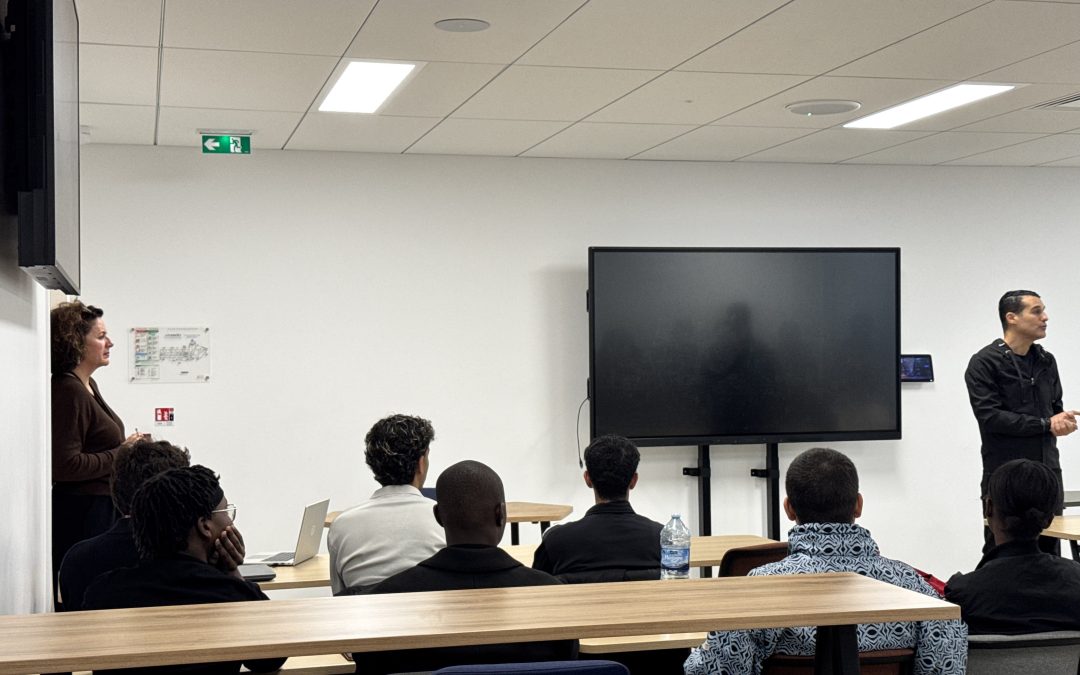
A new year begins at CCCLX!
The Paris-Villejuif campus welcomes CCCLX students for a new year of learning, projects and experiences at the heart of 360° IT.

VMware HyperArmor strengthens hypervisor protection against cyberattacks
Broadcom has unveiled VMware HyperArmor, a solution designed to protect the ESX hypervisor of VMware Cloud Foundation, with announced support for ESX 8.x and later versions.[1] The stakes go beyond the security of a single application: the hypervisor is a shared...

SolarWinds Avior: IT teams set the goals and agents coordinate the actions
SolarWinds has launched Avior, an agentic AI system designed to pursue operational goals in hybrid IT environments. Available since 14 October as part of a guided onboarding programme, it combines specialised agents with control mechanisms.[1] For technical teams, the...

GitHub steps up vulnerability detection and remediation with AI Scan and Agentic Autofix
GitHub has announced the general availability of AI Scan for pull requests and Agentic Autofix for code scanning alerts.[1][2] These features bring AI assistance closer to the work of securing code. They do, however, operate on different scopes: proposed...

Cloudflare makes web security programmable with Workers
Cloudflare is bringing its secure web gateway closer to its Workers development platform. With Forward, available in public beta, businesses can add code to the processing of certain authorised HTTP requests.[2] For IT teams, this development opens up a...

Palo Alto Networks strengthens AI agent security around Claude Enterprise
PPalo Alto Networks has unveiled several updates to Prisma AIRS: protection of interactions with Claude Enterprise, analysis of the components used by agents and control of their exchanges with tools.[1] The stakes are concrete for businesses: preventing an assistant...

ServiceNow prepares AI Passport to control AI agents’ access rights
ServiceNow has announced AI Passport, a cryptographically signed authorisation credential designed to govern AI agents and MCP servers while workflows are running. It is scheduled to be available in the fourth quarter of 2026.[1] The image of a digital badge helps to...

SAP wants to acquire TechWolf to link tasks, skills and the transformation of jobs
SAP has announced an agreement to acquire TechWolf, an AI platform that links tasks, skills and changes in the labour market. Completion is expected in the fourth quarter of 2026, subject in particular to regulatory approvals.[1] The deal raises a practical...