


Nvidia wants to redefine the PC for the age of artificial intelligence
Unveiled at Computex 2026, the RTX Spark chip marks a new stage in the evolution of personal computers. With this Arm-based platform, Nvidia is not simply seeking to offer a more powerful processor. The company aims to create a new category of PCs designed from the ground up to run artificial intelligence workloads locally. This initiative could upset the balance of a market dominated for decades by Intel and AMD, while accelerating the adoption of AI PCs in business.
Unprecedented computing power for AI use cases
The RTX Spark platform combines a 20-core Grace Arm processor with a graphics unit featuring 6,144 CUDA cores based on the Blackwell architecture. Nvidia claims performance of up to 1 petaflop at FP4 precision, a level until now reserved for certain specialised infrastructures. The platform can also include up to 128 GB of LPDDR5X memory, making it possible to run language models of up to 120 billion parameters1 locally. This capability paves the way for advanced AI use directly on the workstation, without permanent reliance on the cloud.
Major manufacturers are getting on board
To speed up adoption, Nvidia is relying on a broad ecosystem of manufacturers. Asus, Dell, HP, Lenovo, Microsoft and MSI have already announced products based on RTX Spark. Dell notably plans to integrate the chip into a version of its XPS 16 Creator Edition, while Microsoft is preparing a Surface RTX Spark Dev Box aimed at developers. This mobilisation shows that the industry now regards AI PCs as a strategic segment set to grow rapidly.
A new segment between the standard PC and the workstation
According to several analysts, RTX Spark could create a new category of computers sitting between traditional business PCs and high-end workstations2. These machines target users who need to run complex AI models, simulations or advanced data processing locally. Prices should logically reflect this premium positioning, with configurations likely to exceed 2,000 dollars. By contrast, consumer AI PCs equipped with Intel, AMD or Qualcomm processors remain mainly intended for office use and Copilot+ features.
Local AI becomes a strategic selling point
One of RTX Spark’s main strengths lies in its ability to run AI directly on the device. This approach offers businesses several advantages: lower cloud inference costs, reduced latency and better control over sensitive data. For certain sectors handling confidential information, such as finance, healthcare or cybersecurity, running models locally can be a decisive advantage.
Developers and data scientists on the front line
Not every business will need such power, however. Analysts believe the first users will mainly be developers, AI engineers, data scientists and cybersecurity teams. These profiles work with complex models and large volumes of data on a daily basis. For standard office use, current AI PCs remain more than sufficient. RTX Spark therefore looks more like a specialised platform than a future universal standard in the short term.
Growing pressure on Intel, AMD and Qualcomm
Nvidia’s arrival in the AI PC market could also intensify competition. Until now, Intel, AMD and Qualcomm have occupied most of the ground in AI-capable computers3. By introducing a solution capable of running very large models locally, Nvidia is pushing the whole sector to step up investment in AI-dedicated architectures. This competition should foster innovation and reshape market standards over the coming years.
Understanding AI architectures is becoming essential
This development highlights a strategic skill: mastering hardware architectures dedicated to artificial intelligence. Future IT professionals will need to understand the differences between CPUs, GPUs, NPUs and new hybrid platforms capable of running complex models locally. As AI moves closer to users, hardware is once again becoming a key factor in performance and innovation.
AI PCs enter a new phase
With RTX Spark, Nvidia is not just launching a new chip. The company is helping to build a new generation of computers capable of running advanced artificial intelligence models locally. For students and future IT professionals, this development deserves particular attention. It could herald the emergence of a new computing segment in which AI capabilities become as important as traditional computing power.
360° IT News — decoding technology to understand the jobs of tomorrow.
Further reading
The arrival of RTX Spark illustrates a broader transformation of computer hardware, now designed to run artificial intelligence workloads directly on devices. This shift also affects high-performance computing infrastructure, which must adapt to the explosion in AI-related needs. On a related topic, read our article “Pangea 5: TotalEnergies’ 100-million bet on AI and simulation”, which analyses how new computing infrastructures are becoming strategic for innovation and competitiveness.
References
1. Nvidia. (2026). RTX Spark Platform Specifications.
https://www.nvidia.com
2. Futurum Research. (2026). AI PC Market Forecast 2025–2030.
https://www.futurumgroup.com
3. Counterpoint Research. (2026). The Future of AI PCs and Edge Computing.
https://www.counterpointresearch.com
GitHub Copilot bulks up for business: coding agents come under IT control
Copilot is no longer just there to suggest the next line GitHub Copilot is continuing its transformation. Originally known mainly for completing code in the editor, the tool is now evolving towards agents capable of exploring a project, modifying files, using tools...

PDFs, presentations, audio: Adobe wants to turn Acrobat into a content factory
Acrobat no longer just wants to open your documents For more than thirty years, Acrobat has mainly been used to read, create, edit, sign and share PDFs. Adobe now wants to give it a much broader role. On 9 September 2026, the company announced new capabilities based...

Salesforce plugs Claude into its CRM: Claudeforce prepares for life after the interface
What if the CRM soon no longer needed to be opened? For decades, using a CRM meant navigating between customer records, dashboards, menus and forms. With Claudeforce, Salesforce and Anthropic want to change this logic: rather than forcing users to go into Salesforce...

Kimi K3, Mistral, DeepSeek: Oracle turns OCI into an AI model hub
Oracle wants to make OCI a one-stop shop for AI Oracle is stepping up its efforts in the AI cloud battle by significantly expanding the catalogue of models available in OCI Enterprise AI. On 4 September 2026, the group announced in particular the integration of Kimi...
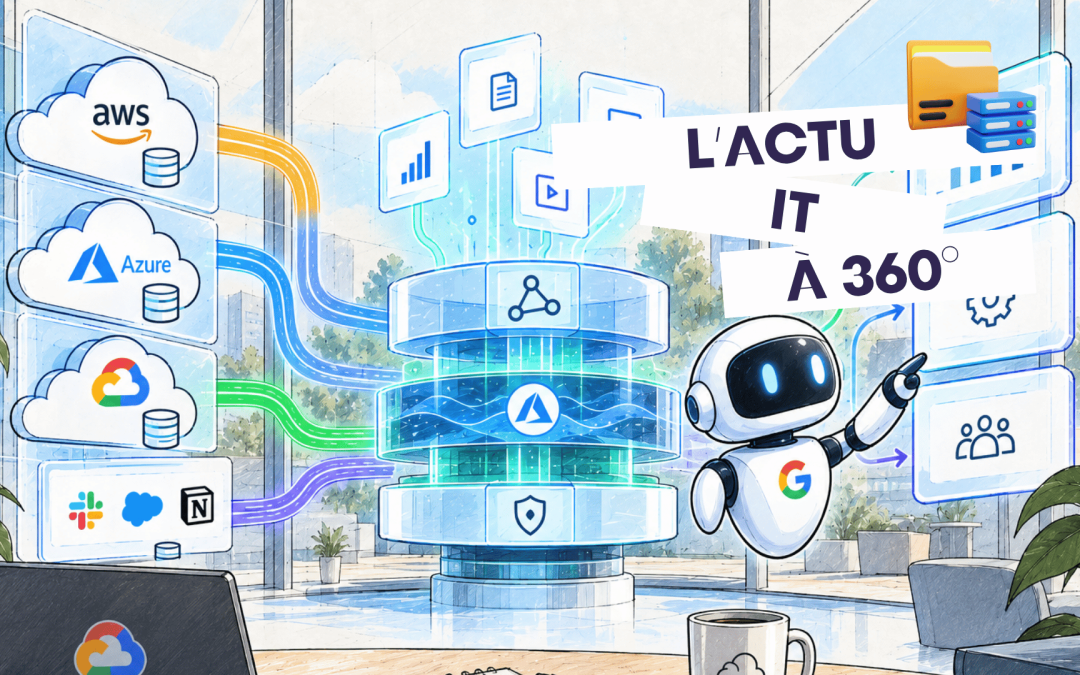
Agentic Data Cloud: Google rethinks data for the age of AI agents
AI agents are forcing Google to rethink data architecture AI agents promise to search for information, make decisions and act directly within company systems, but this autonomy depends on one essential condition: accessing the right data and, above all, understanding...
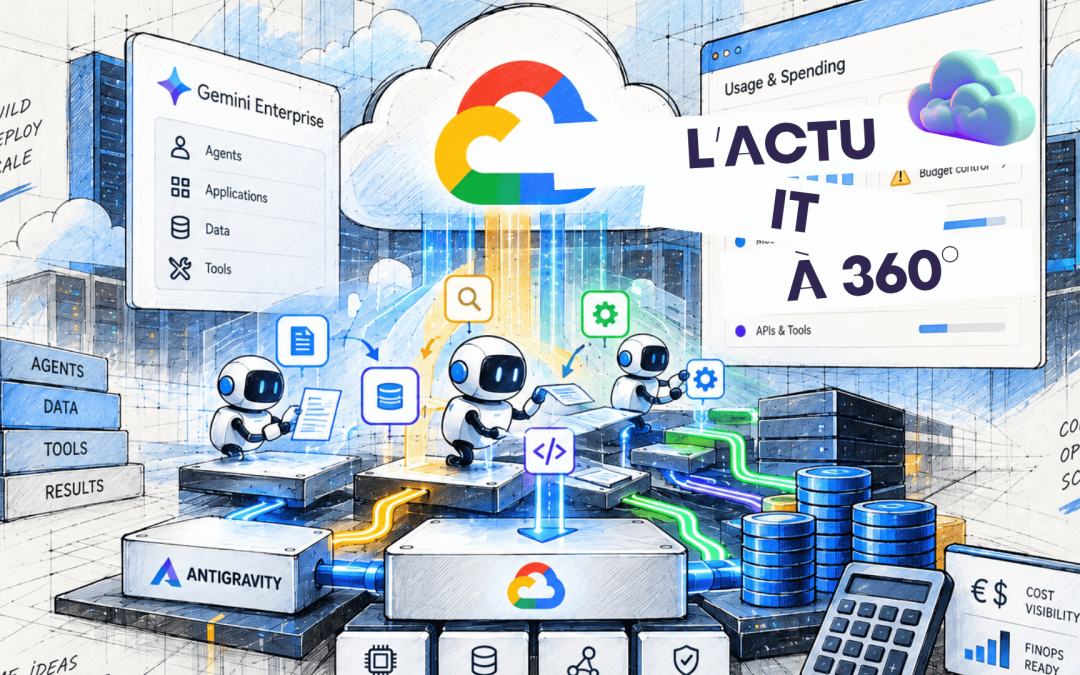
Google Cloud tackles the hidden bill of AI agents
AI agents raise a new problem: how much does a task really cost? As companies move from chatbots to AI agents able to work through multiple steps, the question of cost becomes much more complex. A chatbot generally handles a request and generates an answer, whereas an...
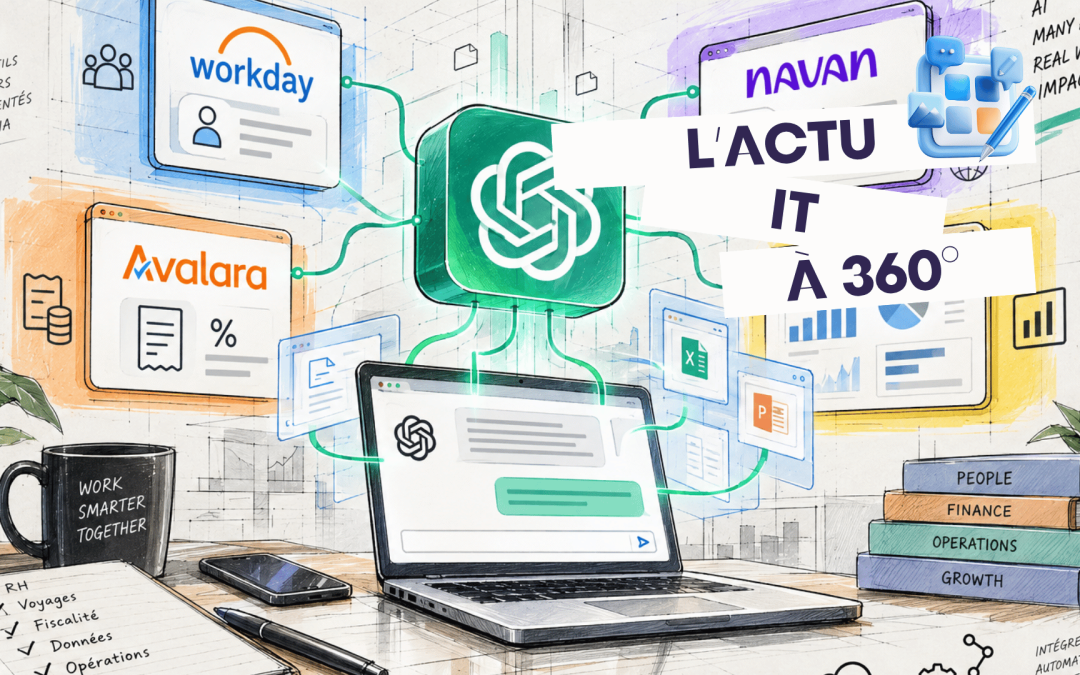
Workday, Navan, Avalara: ChatGPT Work moves into business software
ChatGPT Work is gradually leaving the chat window With GPT-6 Astra, OpenAI is no longer simply trying to improve the quality of ChatGPT’s answers. The company wants to bring its AI closer to the applications in which employees actually work. With the arrival of GPT-6...

From chip to cloud: Groq raises 350 million to scale up
Groq now wants to sell cloud rather than just chips Groq is pursuing a major strategic transformation. Long seen as one of Nvidia’s challengers thanks to its LPUs (Language Processing Units) specialised in artificial intelligence model inference, the group is now...

Muse Code: Meta launches its AI agent to tackle giant codebases
Meta wants to bring AI agents into complex software projects Meta is stepping up its efforts in AI-assisted software development with Muse Code, a new agent designed to work on large codebases, where traditional assistants can quickly lose the context needed to...

Qwen3.8-Max reportedly coded for 16 days without human intervention
Alibaba tests how far an autonomous AI developer can go Alibaba claims to have reached a new milestone in agentic software development with Qwen3.8-Max, its new flagship model launched in early August 2026. In an internal test, the model reportedly worked fully...