


A new generation of networking is already on the horizon
While WiFi 7 is only just beginning to spread among businesses and consumers, the industry is already preparing the next step. TP-Link has just unveiled the first WiFi 8-compatible router, confirming that the technology timeline for network infrastructure is speeding up. Behind this announcement lies a significant development: WiFi 8 does not simply aim to increase speeds, but to improve the stability, reliability and quality of connections in ever more complex environments.
Speed is no longer the overriding priority
For several generations, the evolution of WiFi has mainly been associated with speed gains. With WiFi 8, also known as the IEEE 802.11bn standard, the objective is changing. Manufacturers are now seeking to guarantee a more predictable network experience, even in very dense environments where hundreds of devices are connected at the same time. This shift reflects changing digital usage, in which service interruptions and latency problems often cost more than a few extra megabits per second.
Businesses need more reliable networks
The development of the cloud, hybrid working and collaboration tools has profoundly changed organisations’ needs. Video conferencing, SaaS applications, data analytics platforms and cloud development environments all require stable, continuous connectivity. According to Gartner, digital service interruptions are now among the main operational risks facing modern businesses1. In this context, WiFi 8 aims to reduce disruption and improve the continuity of network traffic.
AI is increasing the pressure on infrastructure
Artificial intelligence is also contributing to this transformation. AI agents, intelligent assistants and generative AI applications require constant exchanges with cloud platforms and remote databases. As these uses become widespread, wireless networks are becoming a critical component of information system performance. WiFi 8 has been designed to handle these continuous data flows better and to limit congestion.
Better management of connected environments
Modern offices now bring together computers, smartphones, IoT sensors, smart cameras and collaboration equipment. In some buildings, several thousand devices may share the same network infrastructure. WiFi 8 introduces mechanisms designed to optimise the management of these highly connected environments, notably by improving coordination between access points and the distribution of traffic.
Data centres and the cloud also benefit from this development
Even though WiFi is often associated with user devices, its evolution also has indirect consequences for cloud infrastructure. More stable connectivity makes it easier to access remotely hosted platforms and improves the experience of distributed applications. At a time when businesses are migrating their data and services to the cloud on a massive scale, the quality of the local network is becoming a strategic element in the overall performance of the information system.
A transition that will take several years
As with previous generations, the adoption of WiFi 8 will be gradual. Businesses will need to renew their network equipment and devices before they can take full advantage of the standard’s new capabilities. However, the early arrival of the first routers shows that manufacturers are already anticipating organisations’ future needs. This preparation is essential as data volumes continue to grow under the impact of AI, video and connected devices.
Understanding the networks of tomorrow is becoming essential
This development highlights a strategic skill: administering modern network infrastructure. Future IT professionals will need to understand advanced WiFi architectures, quality of service management, cloud connectivity and the integration of connected devices. As digital uses multiply, networks are becoming a key factor in performance and competitiveness.
WiFi is becoming a strategic lever for digital transformation
With the arrival of WiFi 8, the industry is confirming that network infrastructure is evolving to meet the demands of AI, the cloud and ever more connected digital environments. For students and future IT professionals, this transition is worth following. It shows that tomorrow’s digital performance will depend as much on the quality of networks as on the power of the applications that use them.
360° IT News — decoding technology to understand the jobs of tomorrow.
Further reading
The evolution of WiFi 8 illustrates a broader transformation of digital infrastructure, which must now support ever larger volumes of data and AI-driven uses. This modernisation also concerns enterprise networks and cloud architectures, which face new performance and resilience challenges. On a related subject, read our article “In the cloud era, enterprise networks are changing standards”, which analyses how network infrastructure is evolving to support organisations’ digital transformation.
References
1. Gartner. (2025). Future of Enterprise Networking Report.
https://www.gartner.com
2. IEEE. (2025). IEEE 802.11bn Ultra High Reliability Wireless Networks.
https://www.ieee.org

Salesforce wants to acquire Loops to help Tableau explain KPI changes
Salesforce has announced a definitive agreement to acquire Loops, an AI-based analytics platform, with the intention of integrating its technology into Tableau after closing.[1] The aim is to monitor metrics and bring out the factors associated with their changes. For...

Cisco and NVIDIA prepare 400 Gb/s-per-lane optical connections for AI infrastructure
Cisco and NVIDIA have announced a project for a pluggable optical form factor, USFP, capable of supporting 400 Gb/s per lane. Cisco is also unveiling the Silicon One G302 switching chip, rated at 51.2 Tb/s.[1] These announcements address a key challenge for AI...
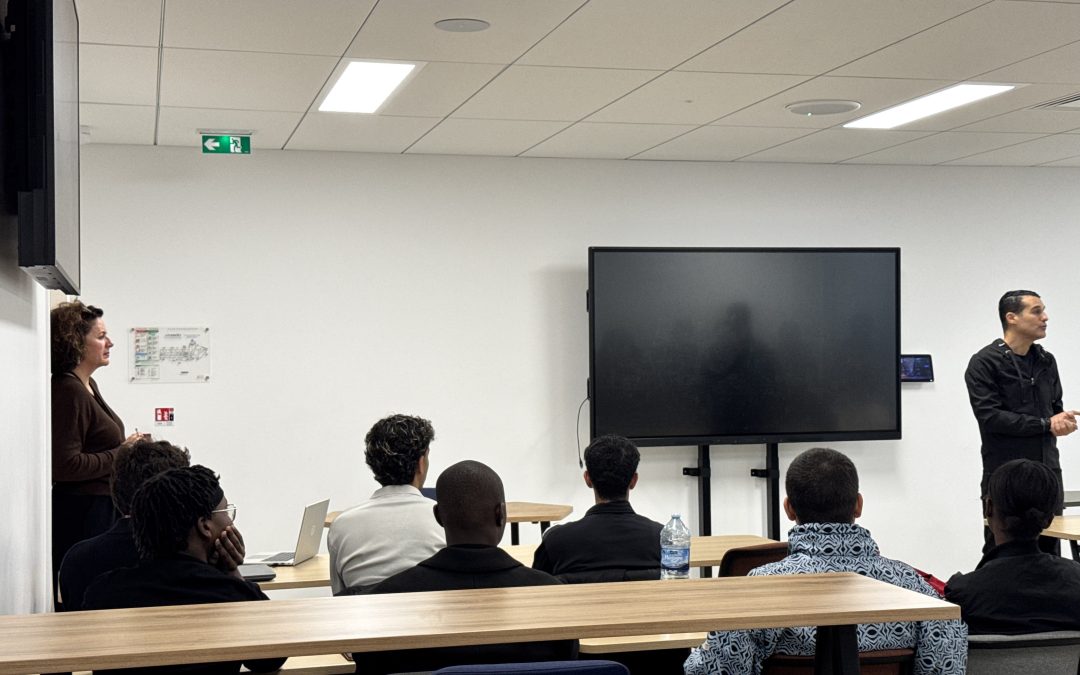
A new year begins at CCCLX!
The Paris-Villejuif campus welcomes CCCLX students for a new year of learning, projects and experiences at the heart of 360° IT.

VMware HyperArmor strengthens hypervisor protection against cyberattacks
Broadcom has unveiled VMware HyperArmor, a solution designed to protect the ESX hypervisor of VMware Cloud Foundation, with announced support for ESX 8.x and later versions.[1] The stakes go beyond the security of a single application: the hypervisor is a shared...

SolarWinds Avior: IT teams set the goals and agents coordinate the actions
SolarWinds has launched Avior, an agentic AI system designed to pursue operational goals in hybrid IT environments. Available since 14 October as part of a guided onboarding programme, it combines specialised agents with control mechanisms.[1] For technical teams, the...
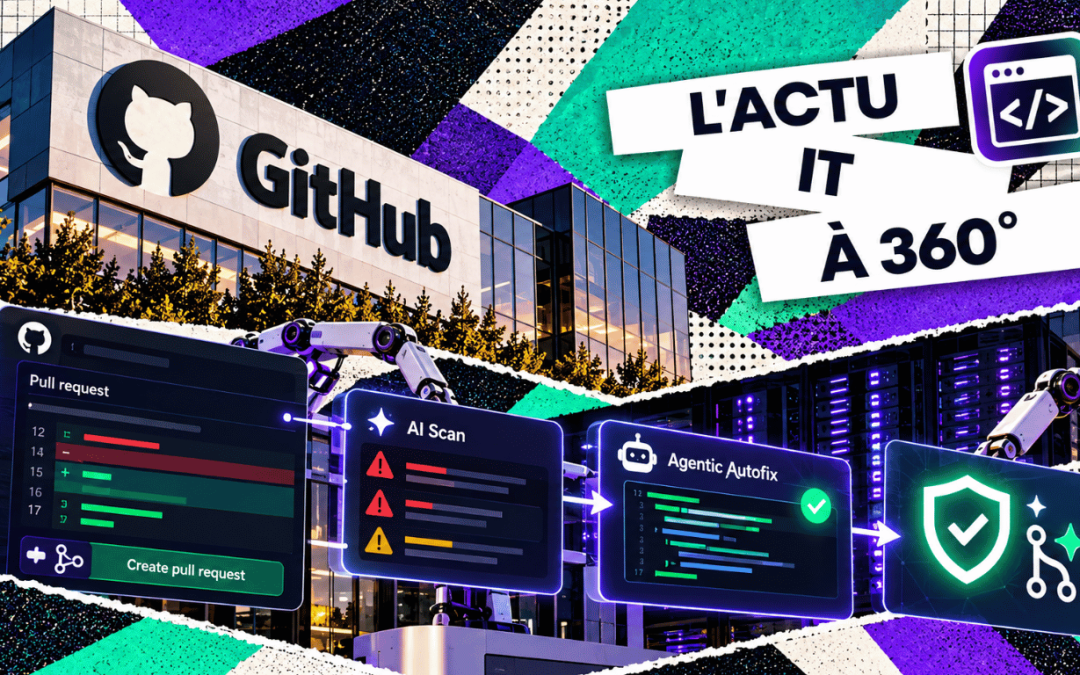
GitHub steps up vulnerability detection and remediation with AI Scan and Agentic Autofix
GitHub has announced the general availability of AI Scan for pull requests and Agentic Autofix for code scanning alerts.[1][2] These features bring AI assistance closer to the work of securing code. They do, however, operate on different scopes: proposed...

Cloudflare makes web security programmable with Workers
Cloudflare is bringing its secure web gateway closer to its Workers development platform. With Forward, available in public beta, businesses can add code to the processing of certain authorised HTTP requests.[2] For IT teams, this development opens up a...

Palo Alto Networks strengthens AI agent security around Claude Enterprise
PPalo Alto Networks has unveiled several updates to Prisma AIRS: protection of interactions with Claude Enterprise, analysis of the components used by agents and control of their exchanges with tools.[1] The stakes are concrete for businesses: preventing an assistant...
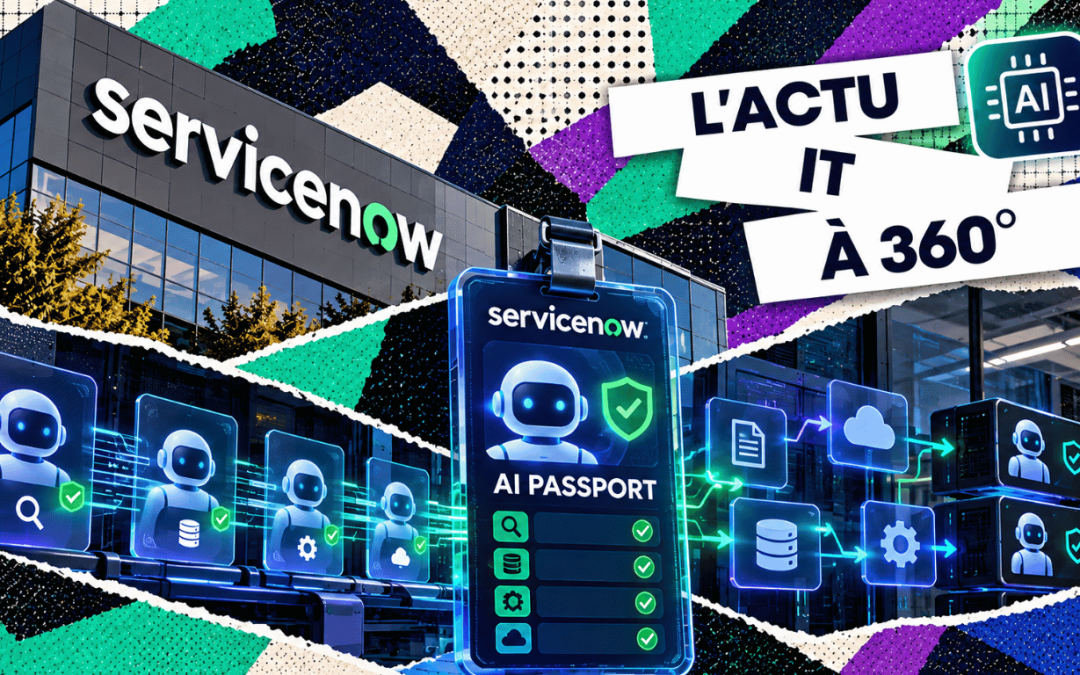
ServiceNow prepares AI Passport to control AI agents’ access rights
ServiceNow has announced AI Passport, a cryptographically signed authorisation credential designed to govern AI agents and MCP servers while workflows are running. It is scheduled to be available in the fourth quarter of 2026.[1] The image of a digital badge helps to...
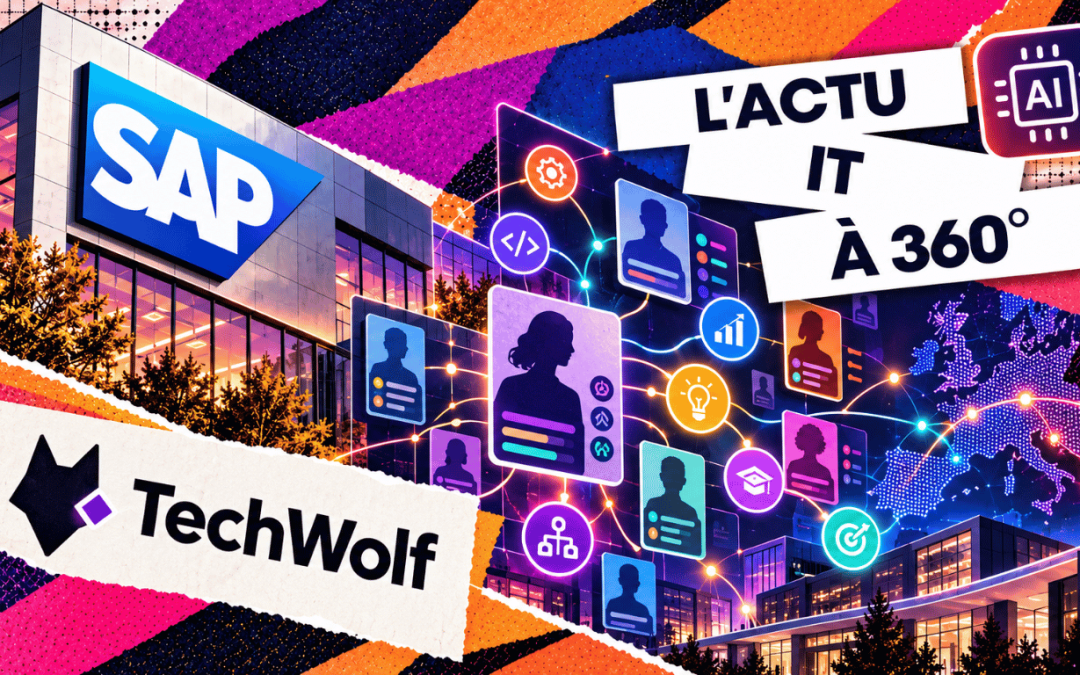
SAP wants to acquire TechWolf to link tasks, skills and the transformation of jobs
SAP has announced an agreement to acquire TechWolf, an AI platform that links tasks, skills and changes in the labour market. Completion is expected in the fourth quarter of 2026, subject in particular to regulatory approvals.[1] The deal raises a practical...