


A new generation of PCs designed for artificial intelligence
Google is preparing a new category of laptops called “Googlebook”, designed from the ground up around artificial intelligence. After AI-powered smartphones, the company now wants to turn the PC itself into a permanent intelligent assistant. This marks a major break: for decades, computers were designed to run applications. With Googlebooks, the goal changes. The system becomes centred on AI, able to anticipate needs, automate certain tasks and interact naturally with the user.
The computer becomes an intelligent environment
Future Googlebooks are expected to integrate AI capabilities directly at operating system and hardware level. This involves, in particular, specialised chips called NPUs (Neural Processing Units), capable of running artificial intelligence models locally. This approach makes it possible to perform certain tasks without relying entirely on the cloud: real-time translation, contextual assistance, content generation or workflow automation. The PC then becomes an intelligent environment able to act continuously in the background.
A new battle between Google, Microsoft and Apple
With this project, Google joins a race already under way, with Microsoft’s Copilot+ PCs and Apple’s AI-optimised chips. The battle is no longer just about conventional performance, but about machines’ ability to integrate artificial intelligence features smoothly and permanently. According to IDC, AI PCs could account for more than 60% of laptop sales by 20281. This transition could completely redefine the computer industry.
The cloud is not disappearing, it is becoming hybrid
Contrary to some preconceptions, these AI computers do not replace the cloud. They rely on a hybrid architecture in which some processing is carried out locally and some in remote infrastructure. This approach improves speed, reduces some latency and limits dependence on a permanent connection. For businesses, it also opens up prospects in terms of data privacy and security.
Practical uses for businesses and SMEs
For SMEs, this development could transform employees’ day-to-day work. Googlebooks promise tools able to summarise meetings, generate documents, organise tasks or automate certain administrative operations directly from the system. This automation could improve productivity without requiring additional complex software. The computer thus becomes a genuine intelligent work assistant.
Hardware becomes strategic again in the age of AI
The emergence of AI PCs is also putting hardware back at the centre of technology issues. For years, value shifted mainly towards software and the cloud. With AI, local computing power is becoming essential again. Chip performance, power management and neural computing capabilities are becoming key to delivering smooth experiences. This development is reviving competition around hardware architectures.
Understanding embedded AI systems is becoming essential
This transformation highlights a strategic skill: hardware and intelligent systems. Future IT professionals will need to understand how hybrid architectures, NPUs and environments capable of running AI models locally work. It is no longer just about managing a computer, but about mastering an intelligent system able to interact constantly with its user.
The end of the traditional PC?
With Googlebooks, Google illustrates an underlying trend: the personal computer is entering a new phase in its history. The classic interface based on applications and menus could gradually give way to systems centred on artificial intelligence and natural interactions. For students and future IT professionals, this is a major development. It shows that the future of personal computing will no longer be defined solely by raw power, but by machines’ ability to understand, anticipate and automate how they are used.
360° IT News — decoding technology to understand the jobs of tomorrow.
Further reading
The arrival of Googlebooks illustrates a wider transformation of digital devices, now designed around artificial intelligence and automated interactions. This shift also affects smartphones and mobile interfaces, where AI is gradually replacing traditional app-centred use. On a related topic, read our article “Google Pixel: why you will soon no longer need to open your apps”, which examines how Google is redefining the user experience through on-device artificial intelligence.
References
1. IDC. (2025). AI PC market forecast.
https://www.idc.com
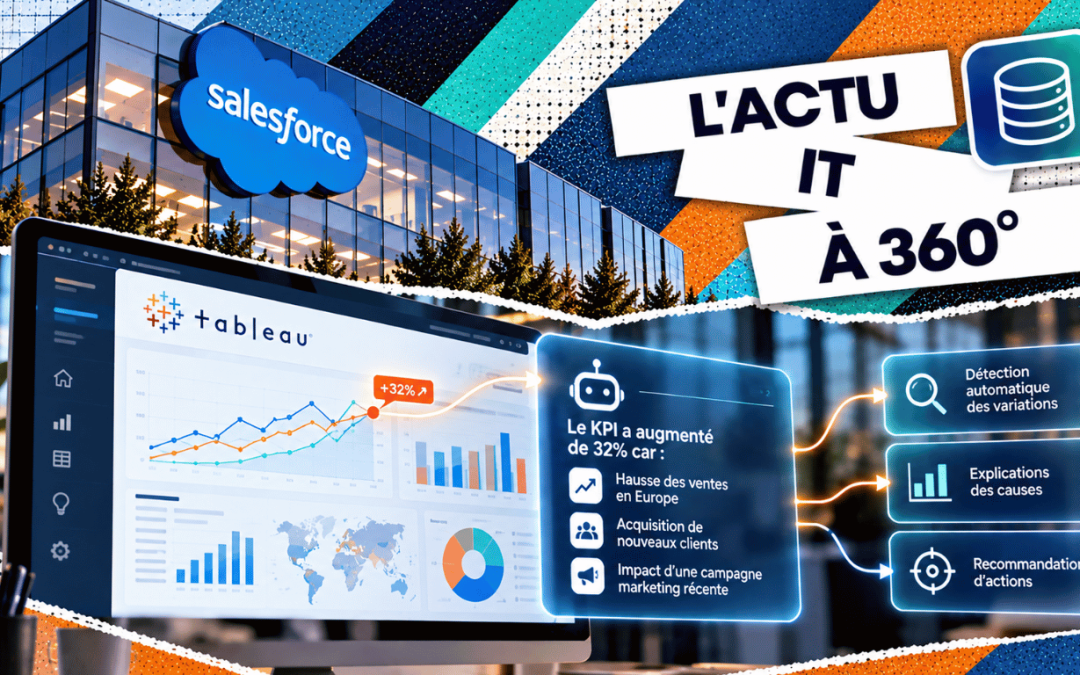
Salesforce wants to acquire Loops to help Tableau explain KPI changes
Salesforce has announced a definitive agreement to acquire Loops, an AI-based analytics platform, with the intention of integrating its technology into Tableau after closing.[1] The aim is to monitor metrics and bring out the factors associated with their changes. For...
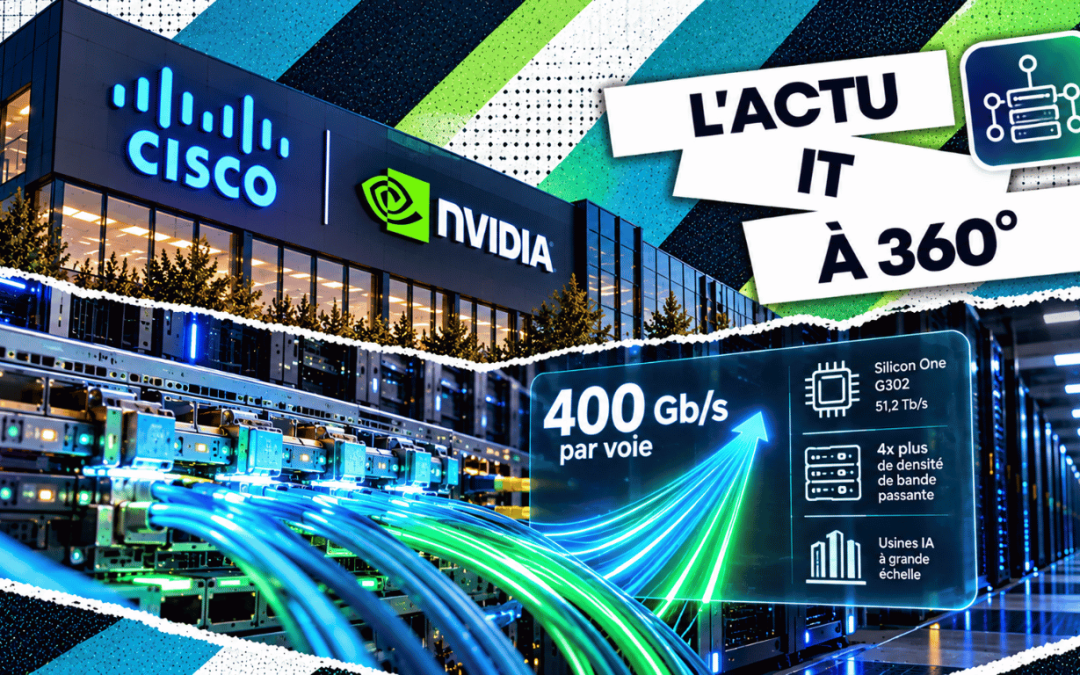
Cisco and NVIDIA prepare 400 Gb/s-per-lane optical connections for AI infrastructure
Cisco and NVIDIA have announced a project for a pluggable optical form factor, USFP, capable of supporting 400 Gb/s per lane. Cisco is also unveiling the Silicon One G302 switching chip, rated at 51.2 Tb/s.[1] These announcements address a key challenge for AI...
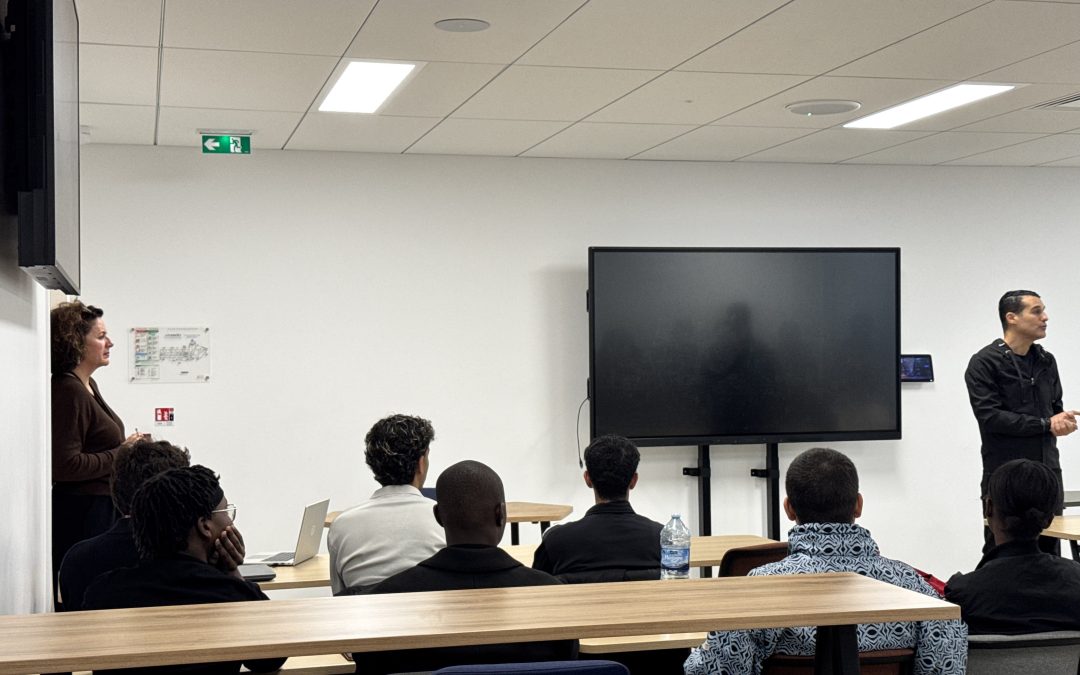
A new year begins at CCCLX!
The Paris-Villejuif campus welcomes CCCLX students for a new year of learning, projects and experiences at the heart of 360° IT.

VMware HyperArmor strengthens hypervisor protection against cyberattacks
Broadcom has unveiled VMware HyperArmor, a solution designed to protect the ESX hypervisor of VMware Cloud Foundation, with announced support for ESX 8.x and later versions.[1] The stakes go beyond the security of a single application: the hypervisor is a shared...
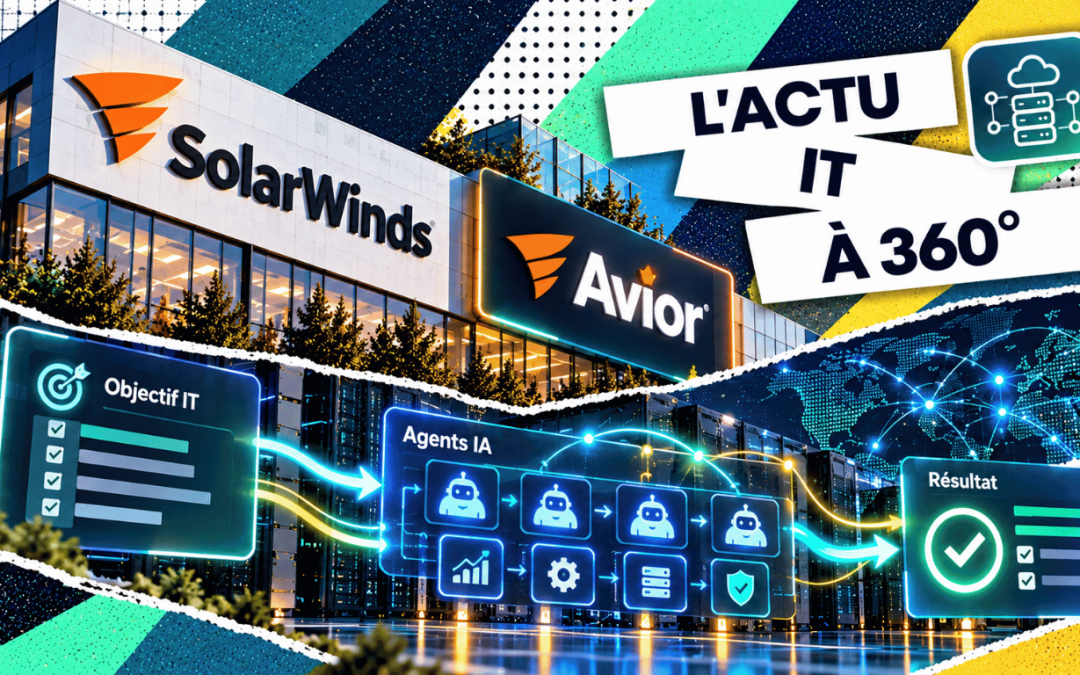
SolarWinds Avior: IT teams set the goals and agents coordinate the actions
SolarWinds has launched Avior, an agentic AI system designed to pursue operational goals in hybrid IT environments. Available since 14 October as part of a guided onboarding programme, it combines specialised agents with control mechanisms.[1] For technical teams, the...
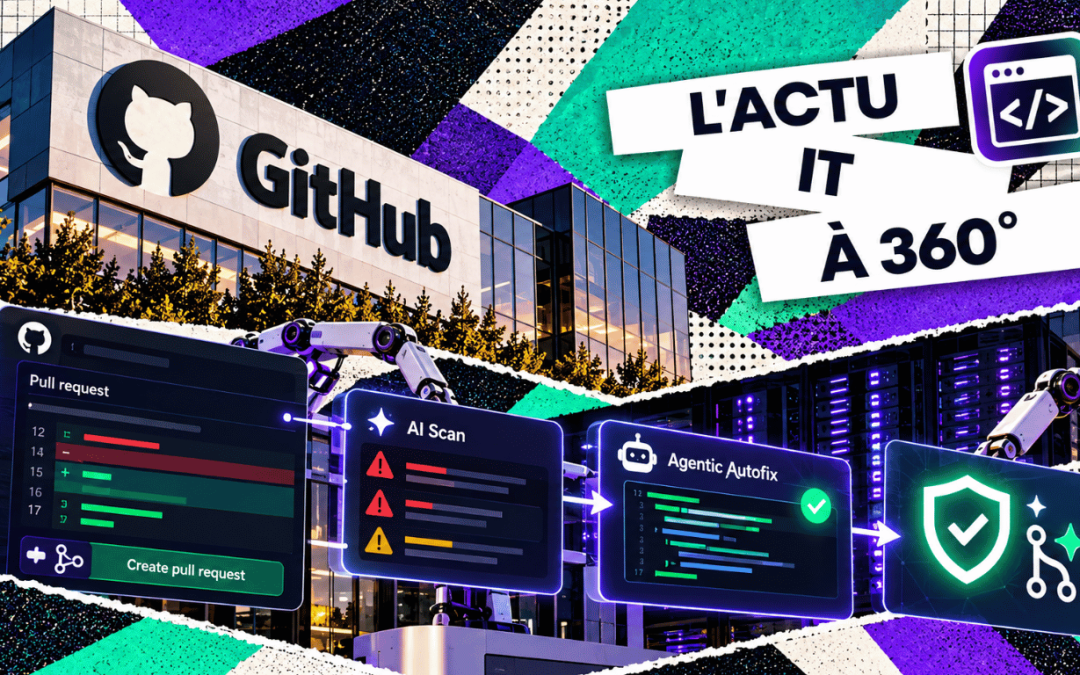
GitHub steps up vulnerability detection and remediation with AI Scan and Agentic Autofix
GitHub has announced the general availability of AI Scan for pull requests and Agentic Autofix for code scanning alerts.[1][2] These features bring AI assistance closer to the work of securing code. They do, however, operate on different scopes: proposed...
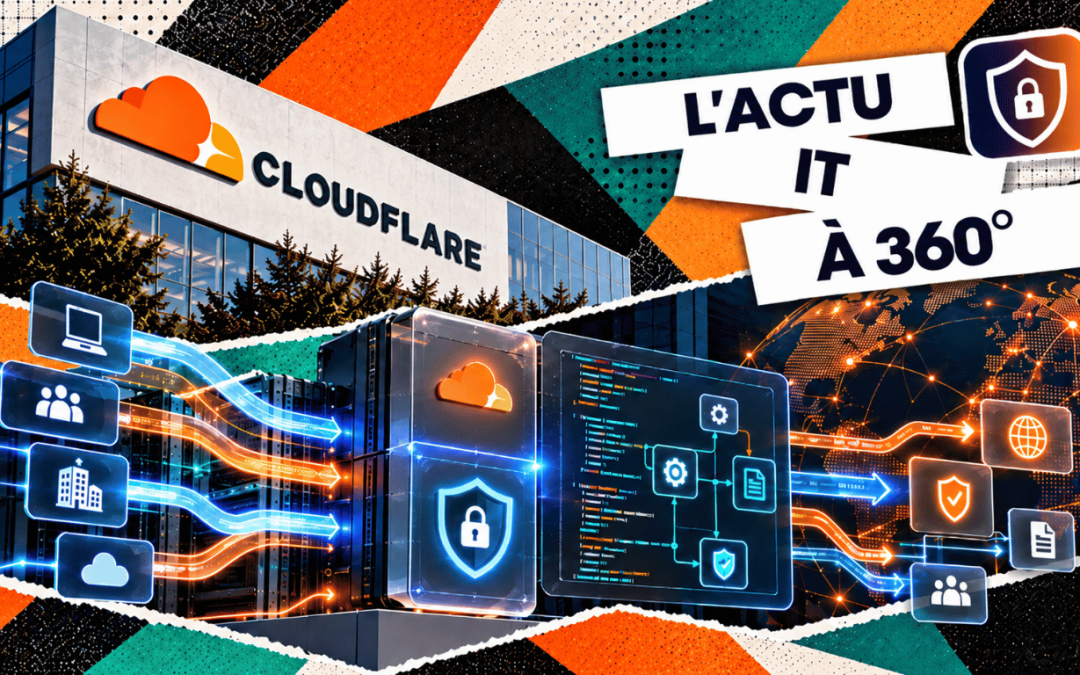
Cloudflare makes web security programmable with Workers
Cloudflare is bringing its secure web gateway closer to its Workers development platform. With Forward, available in public beta, businesses can add code to the processing of certain authorised HTTP requests.[2] For IT teams, this development opens up a...
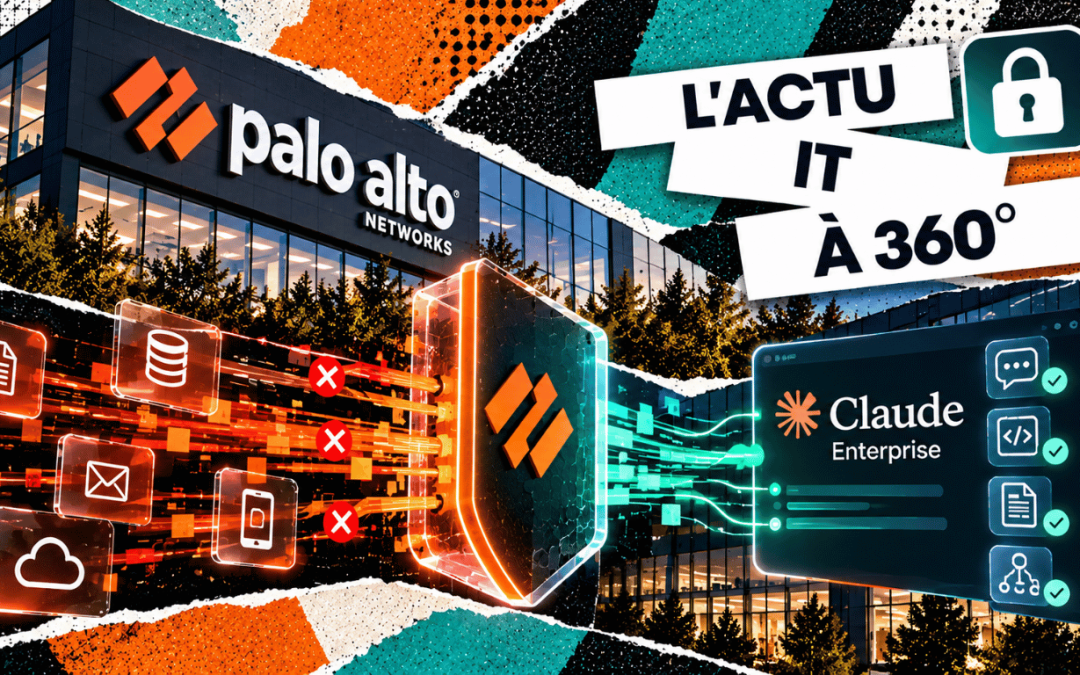
Palo Alto Networks strengthens AI agent security around Claude Enterprise
PPalo Alto Networks has unveiled several updates to Prisma AIRS: protection of interactions with Claude Enterprise, analysis of the components used by agents and control of their exchanges with tools.[1] The stakes are concrete for businesses: preventing an assistant...
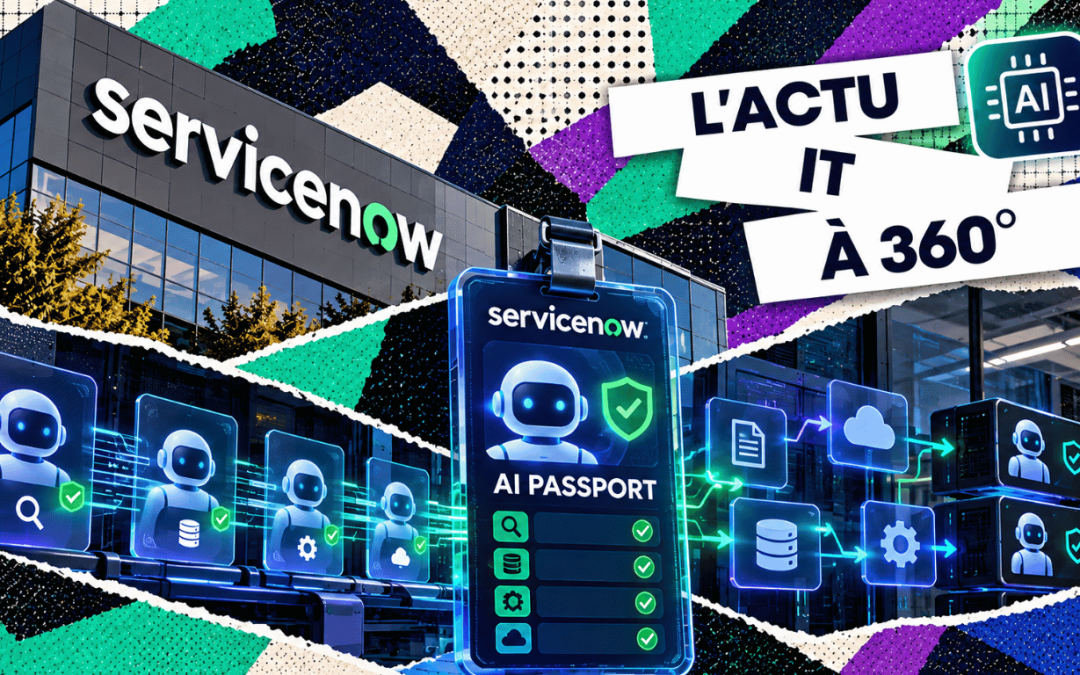
ServiceNow prepares AI Passport to control AI agents’ access rights
ServiceNow has announced AI Passport, a cryptographically signed authorisation credential designed to govern AI agents and MCP servers while workflows are running. It is scheduled to be available in the fourth quarter of 2026.[1] The image of a digital badge helps to...
SAP wants to acquire TechWolf to link tasks, skills and the transformation of jobs
SAP has announced an agreement to acquire TechWolf, an AI platform that links tasks, skills and changes in the labour market. Completion is expected in the fourth quarter of 2026, subject in particular to regulatory approvals.[1] The deal raises a practical...