


The browser becomes a genuinely intelligent work tool
Google is upgrading Chrome Enterprise with advanced artificial intelligence capabilities, turning the browser into an active platform able to carry out tasks. Autonomous browsing, workflow automation and centralised IT oversight mark a break with traditional browser use. At a time when more than 65% of business applications are now accessible via the web, Chrome is becoming a central hub for workplace productivity1. This development repositions the browser as a genuine business tool, at the heart of day-to-day operations.
From browsing to autonomous task execution
With these new features, Chrome Enterprise no longer simply displays web pages. It can automate actions: filling in forms, moving between tools, running sequences of tasks or interacting with cloud applications. This approach is part of the emergence of AI agents capable of acting autonomously in digital environments. In practice, this helps reduce repetitive tasks and streamline business processes, particularly in areas such as administration, support and customer follow-up.
Productivity boosted by automation
For businesses and SMEs, the impact is immediate. Much of everyday work consists of repetitive actions in web interfaces. According to McKinsey, up to 30% of work tasks could be automated with AI, particularly those involving standardised digital interactions2. By automating these tasks directly in the browser, Google reduces friction and allows teams to focus on higher-value activities. This represents a significant time saving and an improvement in operational efficiency.
Stronger IT oversight in hybrid environments
Beyond productivity, Chrome Enterprise also includes oversight tools for IT teams. Administrators can monitor usage, control access and secure interactions between users and applications. This dimension is essential at a time when working environments are increasingly distributed across remote working, the cloud and mobility. The browser thus becomes a strategic control point for security and systems management.
Growing dependence on intelligent platforms
This development nonetheless raises important questions. By turning the browser into an intelligent platform, Google is strengthening its central role in working environments. Businesses are becoming increasingly dependent on these tools for their daily operations. This raises issues of sovereignty, data control and algorithmic transparency. Automation must therefore go hand in hand with strategic thinking about how these technologies are used and governed.
Managing automation becomes a key skill
This transformation highlights a strategic skill: software and application management, with a strong artificial intelligence dimension. IT professionals must understand these tools, know how to configure workflows and supervise the actions of agents. It is no longer just about using applications, but about managing systems capable of acting autonomously. This development is redefining digital skills and IT jobs.
Towards an automated and intelligent working environment
With this evolution of Chrome Enterprise, Google is confirming an underlying trend: the automation of digital tasks is becoming standard. The once-passive browser is becoming an active driver of productivity. For students and future IT professionals, this is a major transformation. It shows that everyday tools are evolving into intelligent systems capable of anticipating, executing and optimising tasks. Understanding these changes is essential to adapt to an increasingly automated world of work.
360° IT News — decoding technology to understand the jobs of tomorrow.
References
1. Gartner. (2024). Cloud application adoption trends.
https://www.gartner.com
2. McKinsey. (2023). The future of work and automation.
https://www.mckinsey.com
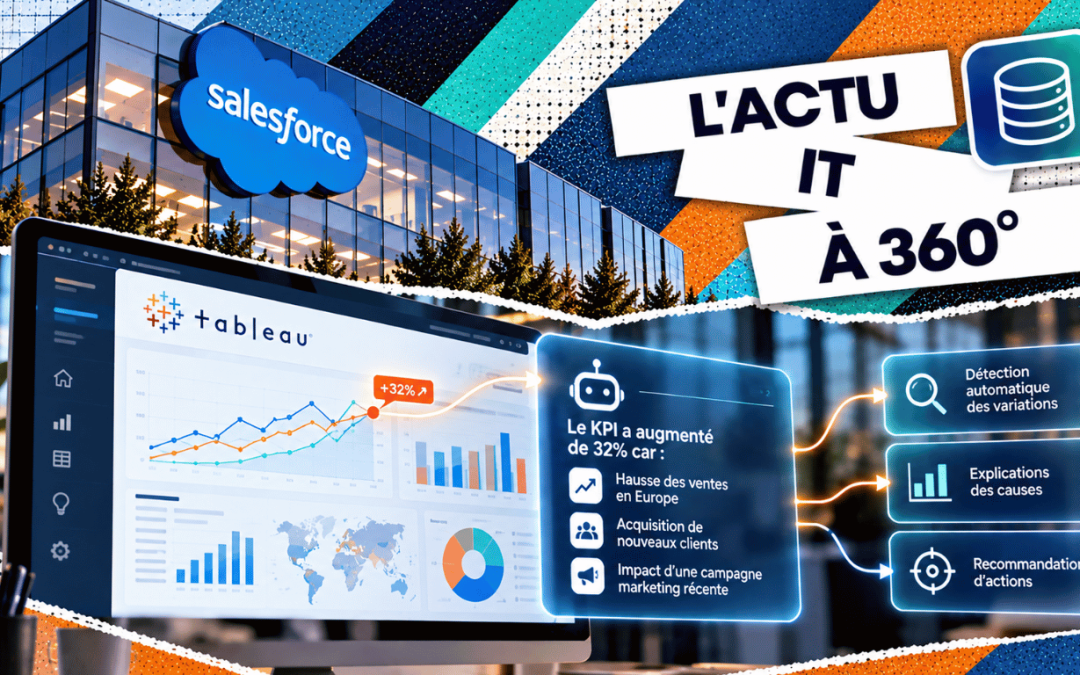
Salesforce wants to acquire Loops to help Tableau explain KPI changes
Salesforce has announced a definitive agreement to acquire Loops, an AI-based analytics platform, with the intention of integrating its technology into Tableau after closing.[1] The aim is to monitor metrics and bring out the factors associated with their changes. For...

Cisco and NVIDIA prepare 400 Gb/s-per-lane optical connections for AI infrastructure
Cisco and NVIDIA have announced a project for a pluggable optical form factor, USFP, capable of supporting 400 Gb/s per lane. Cisco is also unveiling the Silicon One G302 switching chip, rated at 51.2 Tb/s.[1] These announcements address a key challenge for AI...
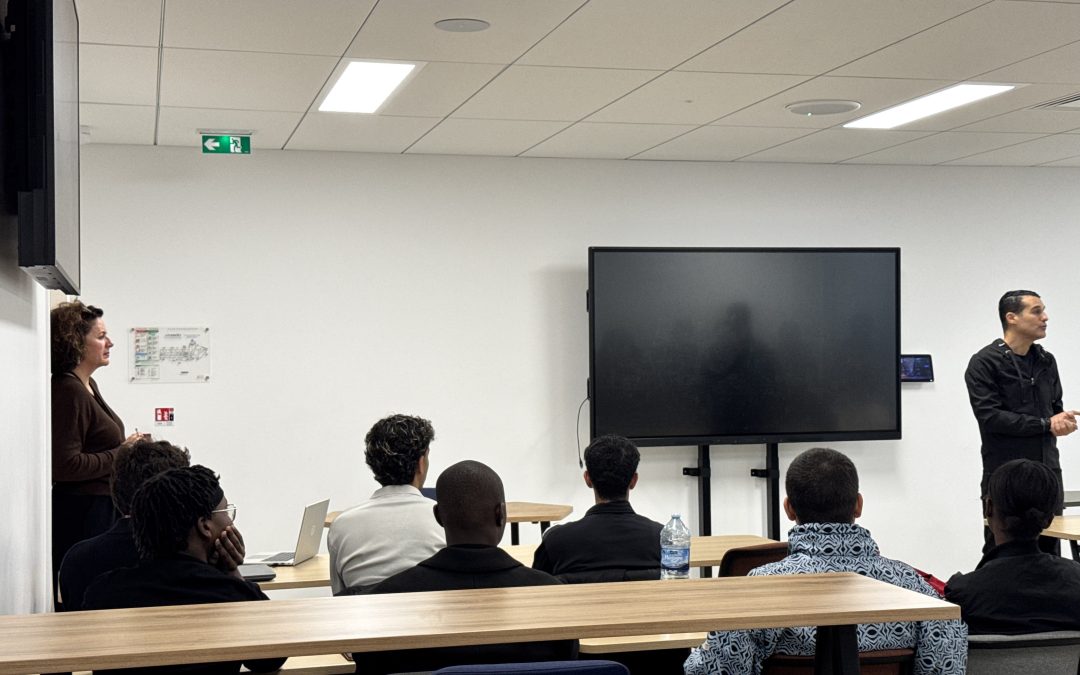
A new year begins at CCCLX!
The Paris-Villejuif campus welcomes CCCLX students for a new year of learning, projects and experiences at the heart of 360° IT.

VMware HyperArmor strengthens hypervisor protection against cyberattacks
Broadcom has unveiled VMware HyperArmor, a solution designed to protect the ESX hypervisor of VMware Cloud Foundation, with announced support for ESX 8.x and later versions.[1] The stakes go beyond the security of a single application: the hypervisor is a shared...

SolarWinds Avior: IT teams set the goals and agents coordinate the actions
SolarWinds has launched Avior, an agentic AI system designed to pursue operational goals in hybrid IT environments. Available since 14 October as part of a guided onboarding programme, it combines specialised agents with control mechanisms.[1] For technical teams, the...
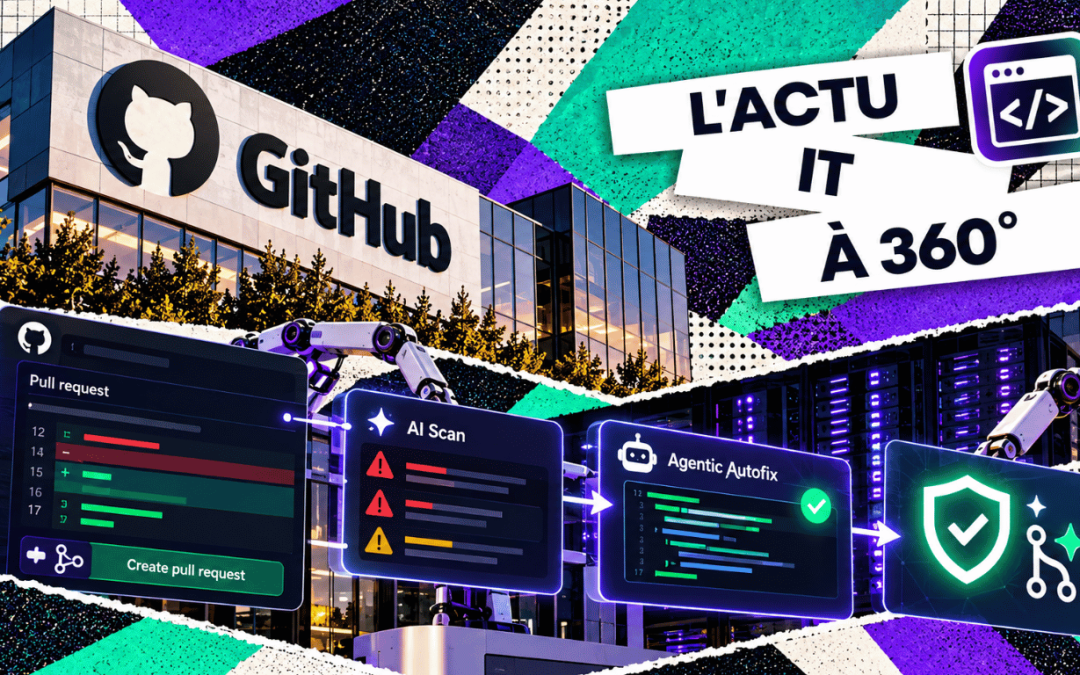
GitHub steps up vulnerability detection and remediation with AI Scan and Agentic Autofix
GitHub has announced the general availability of AI Scan for pull requests and Agentic Autofix for code scanning alerts.[1][2] These features bring AI assistance closer to the work of securing code. They do, however, operate on different scopes: proposed...

Cloudflare makes web security programmable with Workers
Cloudflare is bringing its secure web gateway closer to its Workers development platform. With Forward, available in public beta, businesses can add code to the processing of certain authorised HTTP requests.[2] For IT teams, this development opens up a...

Palo Alto Networks strengthens AI agent security around Claude Enterprise
PPalo Alto Networks has unveiled several updates to Prisma AIRS: protection of interactions with Claude Enterprise, analysis of the components used by agents and control of their exchanges with tools.[1] The stakes are concrete for businesses: preventing an assistant...
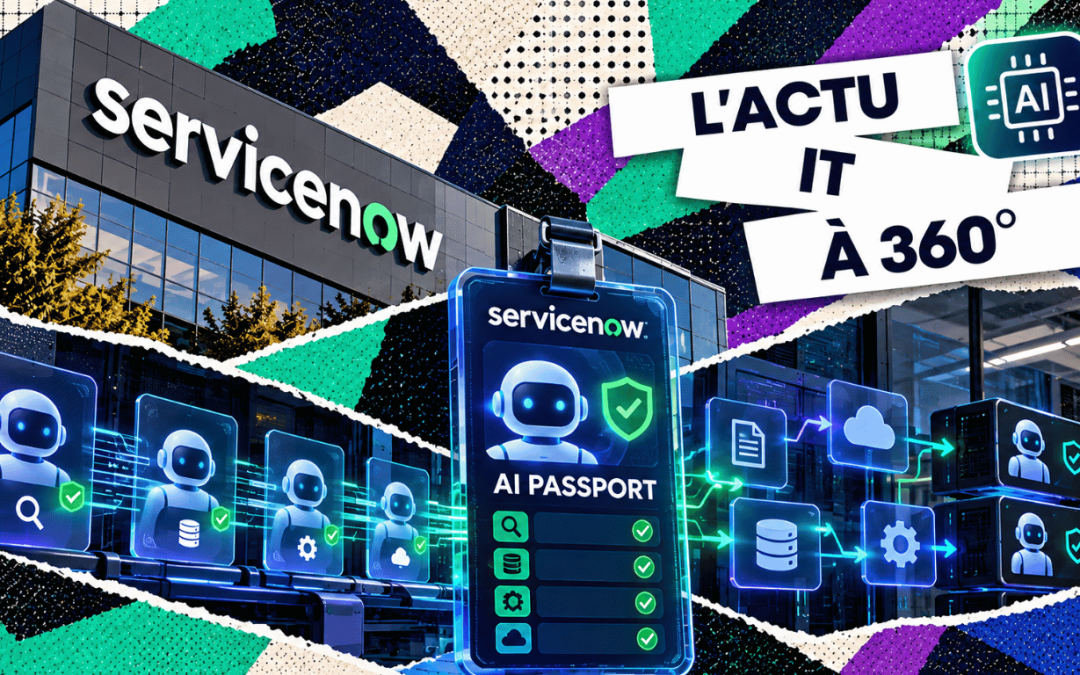
ServiceNow prepares AI Passport to control AI agents’ access rights
ServiceNow has announced AI Passport, a cryptographically signed authorisation credential designed to govern AI agents and MCP servers while workflows are running. It is scheduled to be available in the fourth quarter of 2026.[1] The image of a digital badge helps to...
SAP wants to acquire TechWolf to link tasks, skills and the transformation of jobs
SAP has announced an agreement to acquire TechWolf, an AI platform that links tasks, skills and changes in the labour market. Completion is expected in the fourth quarter of 2026, subject in particular to regulatory approvals.[1] The deal raises a practical...