


News in brief
With Project Kuiper, Jeff Bezos is committing Amazon to a major transformation of the world’s internet infrastructure by deploying tens of thousands of satellites in low Earth orbit. The goal is not limited to connecting isolated areas, but to building a global alternative to traditional terrestrial networks. At the same time, the launch of a smartphone shows a clear determination to control the entire value chain, from the network to the end user. This strategy is part of a global race in which digital infrastructure is becoming a lever of economic and technological power.¹
Controlling the network means controlling digital usage
The real breakthrough lies not only in satellite technology, but in the logic of a global platform. By combining space connectivity, cloud services (AWS) and devices, Amazon can offer a complete ecosystem in which data, applications and users are interconnected. This makes it possible to optimise performance, reduce latency and offer new services, particularly for the Internet of Things, real-time applications or critical services. This approach turns the internet into an integrated infrastructure, run by a handful of major players able to control its flows.
Connecting businesses everywhere, even beyond conventional networks
For SMEs, this development could be a real accelerator. In rural, industrial or poorly served areas, internet access remains an obstacle to digital transformation. Satellite constellations can remove this barrier by offering fast, stable connectivity regardless of local infrastructure. This opens the door to using the cloud, managing data in real time and integrating artificial intelligence solutions. The stakes are high: enabling all companies, wherever they are located, to access the same digital opportunities.
An explosion of uses driven by global connectivity
Beyond internet access, these infrastructures will transform usage. We can imagine applications in logistics, with real-time tracking of goods anywhere in the world, in connected agriculture, or in crisis and natural disaster management. Satellites are becoming a relay for distributed systems, in which data flows continuously between objects, users and cloud platforms. This permanent connectivity will accelerate the adoption of technologies such as AI, cloud computing and IoT by making them accessible on a larger scale.
A growing dependence on tech giants
But this transformation also raises critical issues. With infrastructure concentrated in the hands of a few players, companies become dependent on global platforms for their connectivity, data and services. This dependence raises questions of digital sovereignty, cybersecurity and governance. Companies will need to be able to diversify their solutions, secure their data and understand the implications of these technology choices for their IT strategy.
Managing hybrid networks becomes essential
This development highlights a key skill: systems and network administration in a hybrid environment. IT professionals now have to manage infrastructure combining terrestrial networks, satellites and the cloud. This means understanding global connectivity, optimising performance and ensuring the security of exchanges. This ability to orchestrate complex systems is becoming essential to support companies’ digital transformation and make full use of new infrastructure.
Towards a global, distributed and strategic internet
With projects such as Kuiper, the internet is entering a new phase in which infrastructure is becoming global, distributed and strategic. The boundaries between network, cloud and services are gradually disappearing in favour of integrated ecosystems. For students and future IT professionals, this means jobs are evolving towards architect roles able to understand, connect and manage these complex environments. The challenge is no longer just technical; it is also economic and strategic, in a world where connectivity is becoming a key competitive factor.
360° IT News — decoding technology to understand the jobs of tomorrow.
References
1. PepsiCo. Logistics and supply chain innovation initiatives.
https://www.pepsico.com
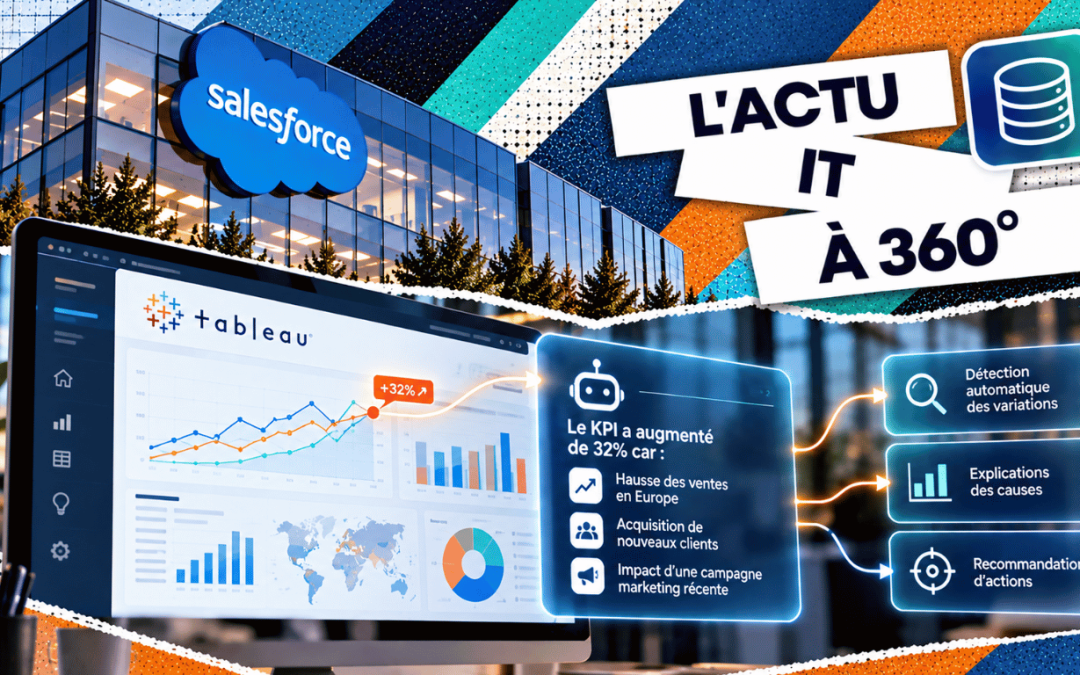
Salesforce wants to acquire Loops to help Tableau explain KPI changes
Salesforce has announced a definitive agreement to acquire Loops, an AI-based analytics platform, with the intention of integrating its technology into Tableau after closing.[1] The aim is to monitor metrics and bring out the factors associated with their changes. For...

Cisco and NVIDIA prepare 400 Gb/s-per-lane optical connections for AI infrastructure
Cisco and NVIDIA have announced a project for a pluggable optical form factor, USFP, capable of supporting 400 Gb/s per lane. Cisco is also unveiling the Silicon One G302 switching chip, rated at 51.2 Tb/s.[1] These announcements address a key challenge for AI...
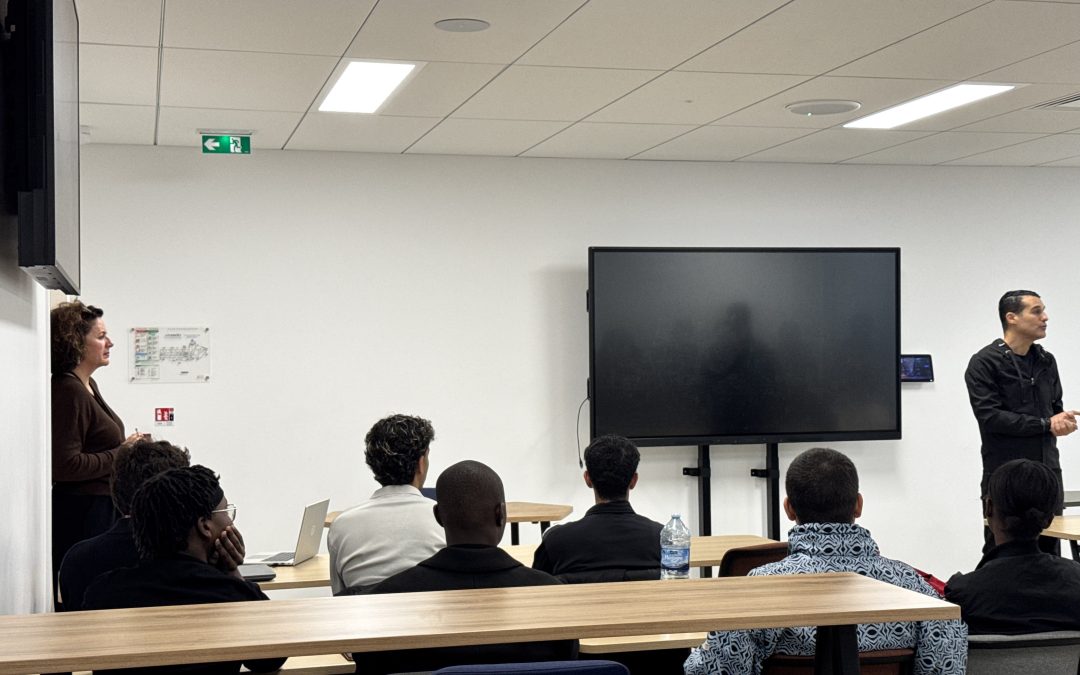
A new year begins at CCCLX!
The Paris-Villejuif campus welcomes CCCLX students for a new year of learning, projects and experiences at the heart of 360° IT.

VMware HyperArmor strengthens hypervisor protection against cyberattacks
Broadcom has unveiled VMware HyperArmor, a solution designed to protect the ESX hypervisor of VMware Cloud Foundation, with announced support for ESX 8.x and later versions.[1] The stakes go beyond the security of a single application: the hypervisor is a shared...
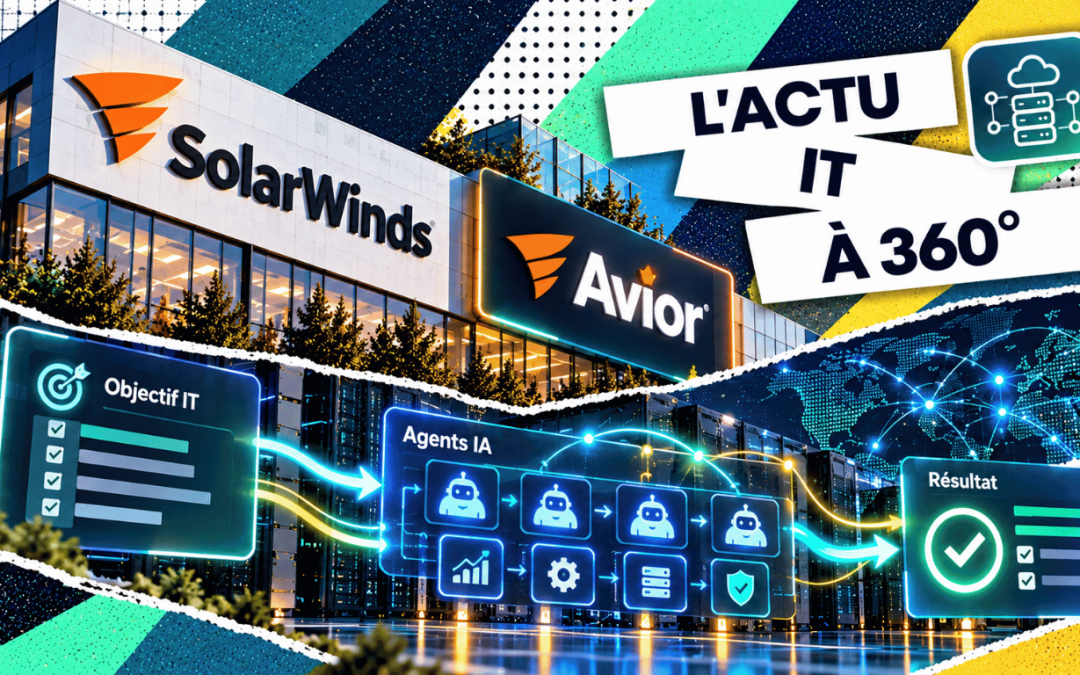
SolarWinds Avior: IT teams set the goals and agents coordinate the actions
SolarWinds has launched Avior, an agentic AI system designed to pursue operational goals in hybrid IT environments. Available since 14 October as part of a guided onboarding programme, it combines specialised agents with control mechanisms.[1] For technical teams, the...
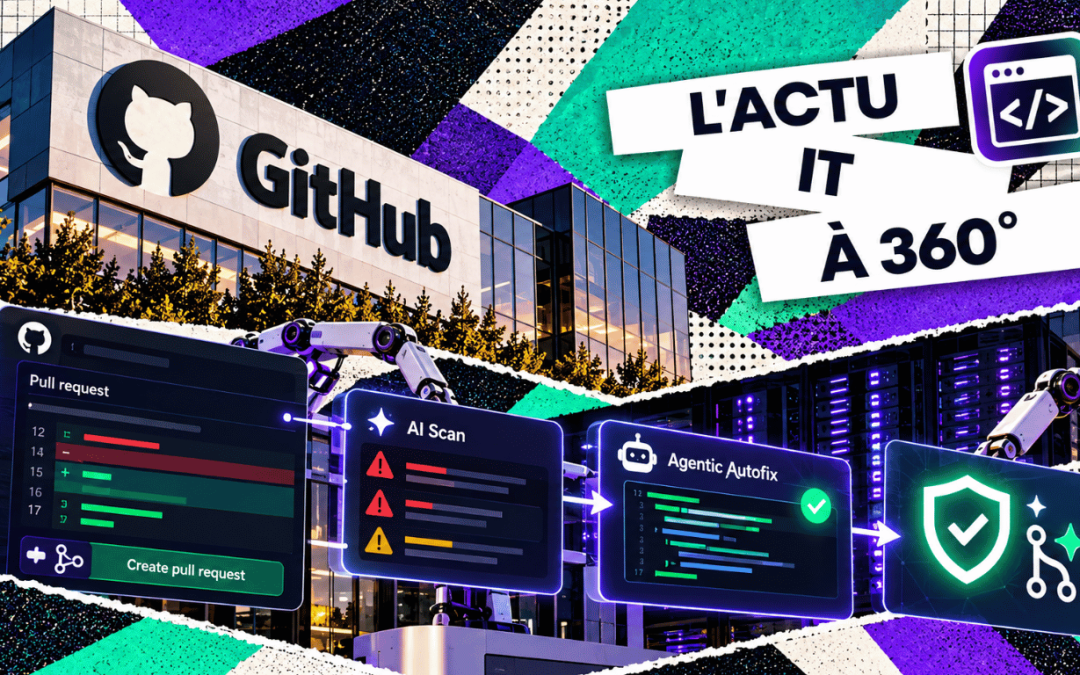
GitHub steps up vulnerability detection and remediation with AI Scan and Agentic Autofix
GitHub has announced the general availability of AI Scan for pull requests and Agentic Autofix for code scanning alerts.[1][2] These features bring AI assistance closer to the work of securing code. They do, however, operate on different scopes: proposed...
Cloudflare makes web security programmable with Workers
Cloudflare is bringing its secure web gateway closer to its Workers development platform. With Forward, available in public beta, businesses can add code to the processing of certain authorised HTTP requests.[2] For IT teams, this development opens up a...
Palo Alto Networks strengthens AI agent security around Claude Enterprise
PPalo Alto Networks has unveiled several updates to Prisma AIRS: protection of interactions with Claude Enterprise, analysis of the components used by agents and control of their exchanges with tools.[1] The stakes are concrete for businesses: preventing an assistant...
ServiceNow prepares AI Passport to control AI agents’ access rights
ServiceNow has announced AI Passport, a cryptographically signed authorisation credential designed to govern AI agents and MCP servers while workflows are running. It is scheduled to be available in the fourth quarter of 2026.[1] The image of a digital badge helps to...
SAP wants to acquire TechWolf to link tasks, skills and the transformation of jobs
SAP has announced an agreement to acquire TechWolf, an AI platform that links tasks, skills and changes in the labour market. Completion is expected in the fourth quarter of 2026, subject in particular to regulatory approvals.[1] The deal raises a practical...