


Software development enters the age of agents
Microsoft is taking a new step by integrating artificial intelligence agents into Visual Studio Code, with a beta version available via the Insiders channel. This development comes at a time when VS Code is used by more than 30 million developers worldwide, making it one of the most influential tools in the IT ecosystem1. The goal is clear: to make software development faster, more automated and more collaborative by building AI directly into developers’ daily workflows.
From assisted coding to autonomous task execution
Until now, AI tools such as coding assistants mainly suggested lines of code or fixed errors. With agents, the approach shifts to autonomous execution: they can manage repositories, run tasks in parallel, track sessions and interact with terminals. For example, an agent can analyse an entire project, generate changes and create a pull request without direct intervention. This development has been made possible by advances in generative AI, whose adoption is booming: more than 70% of developers already use AI tools in their daily work, according to several industry studies2.
Speeding up development without growing teams
For SMEs and start-ups, the impact is immediate. Software development often represents a significant cost and a limiting factor for growth. With agents able to automate certain tasks, teams can deliver faster without increasing their resources. According to GitHub, AI tools can deliver productivity gains of up to 55% on certain development tasks3. This shortens delivery times, improves code quality and frees teams to focus on higher-value work.
Development environments are becoming intelligent
The integration of agents into VS Code is part of a wider transformation of IT tools. Development environments are no longer mere code editors, but are becoming intelligent platforms able to analyse, suggest and act. With features such as terminal interaction, automatic notifications and the handling of complex scripts, agents can track and adapt work in real time. This development brings software development closer to the automation approaches already found in the cloud and modern infrastructure.
Managing AI agents becomes a key skill
This transformation highlights a strategic skill: programming, with a strong artificial intelligence dimension. Developers must now learn to work with agents, define instructions (prompts), supervise their actions and validate their results. It is no longer just about writing code, but about managing systems capable of producing it. This development is redefining IT jobs and the digital skills expected by businesses.
Towards faster, but also more strategic, development
With VS Code Agents, Microsoft is accelerating the shift towards more automated and intelligent development. Production cycles are becoming shorter, repetitive tasks are gradually disappearing and developers can concentrate on design, architecture and innovation. For students and future IT professionals, this is a major transformation: it heralds a future in which value no longer lies solely in the ability to code, but in the ability to orchestrate intelligent systems.
360° IT News — decoding technology to understand the jobs of tomorrow.
References
1. Microsoft. (2024). Visual Studio Code usage statistics.
https://code.visualstudio.com
2. Stack Overflow. (2023). Developer Survey – AI usage.
https://survey.stackoverflow.co/2023
3. GitHub. (2023). Research: AI improves developer productivity.
https://github.blog
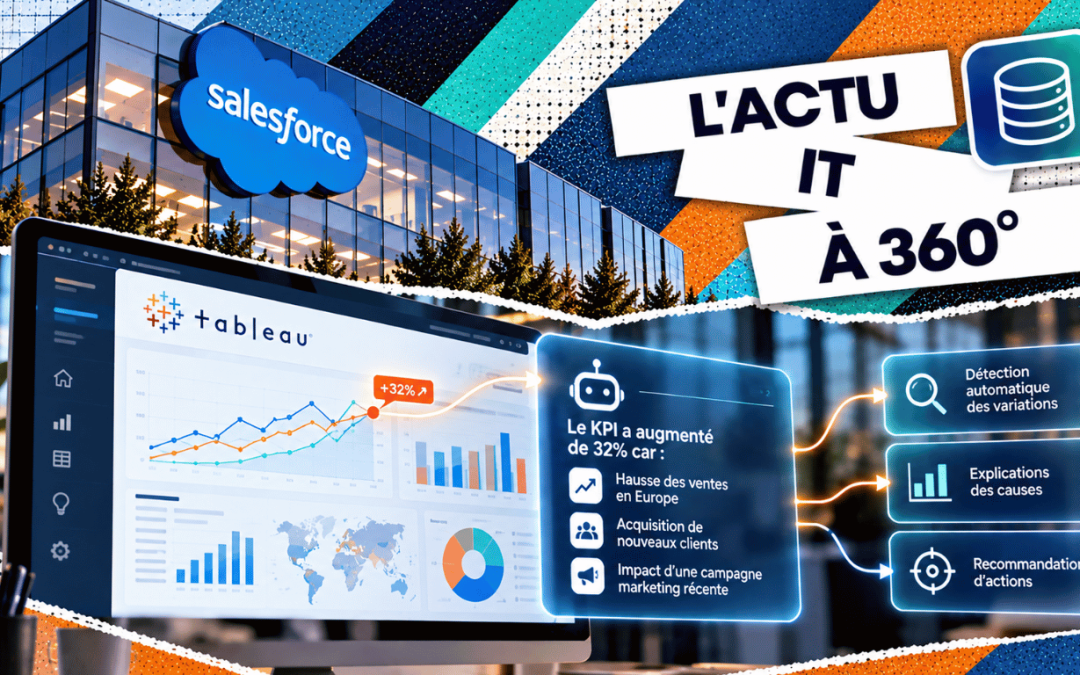
Salesforce wants to acquire Loops to help Tableau explain KPI changes
Salesforce has announced a definitive agreement to acquire Loops, an AI-based analytics platform, with the intention of integrating its technology into Tableau after closing.[1] The aim is to monitor metrics and bring out the factors associated with their changes. For...

Cisco and NVIDIA prepare 400 Gb/s-per-lane optical connections for AI infrastructure
Cisco and NVIDIA have announced a project for a pluggable optical form factor, USFP, capable of supporting 400 Gb/s per lane. Cisco is also unveiling the Silicon One G302 switching chip, rated at 51.2 Tb/s.[1] These announcements address a key challenge for AI...
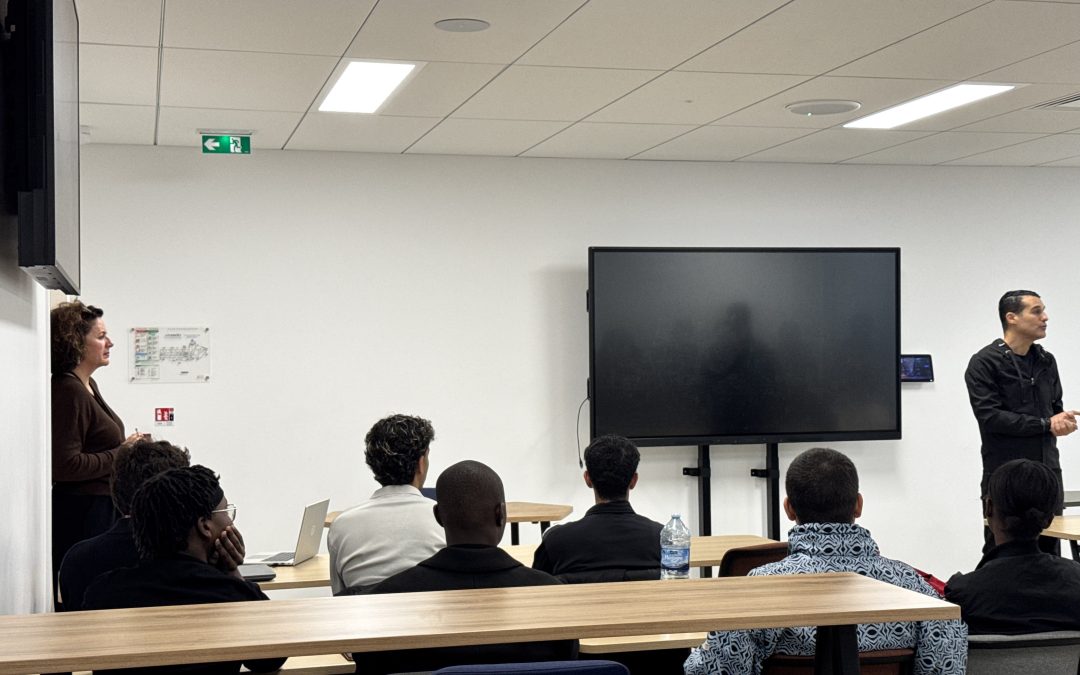
A new year begins at CCCLX!
The Paris-Villejuif campus welcomes CCCLX students for a new year of learning, projects and experiences at the heart of 360° IT.

VMware HyperArmor strengthens hypervisor protection against cyberattacks
Broadcom has unveiled VMware HyperArmor, a solution designed to protect the ESX hypervisor of VMware Cloud Foundation, with announced support for ESX 8.x and later versions.[1] The stakes go beyond the security of a single application: the hypervisor is a shared...
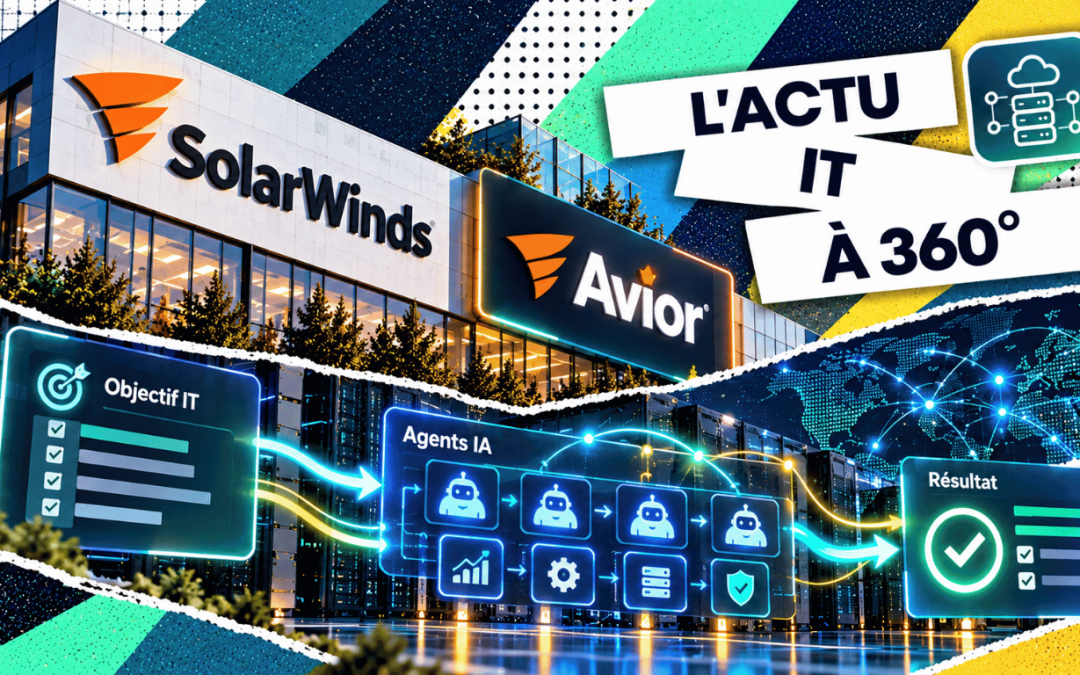
SolarWinds Avior: IT teams set the goals and agents coordinate the actions
SolarWinds has launched Avior, an agentic AI system designed to pursue operational goals in hybrid IT environments. Available since 14 October as part of a guided onboarding programme, it combines specialised agents with control mechanisms.[1] For technical teams, the...
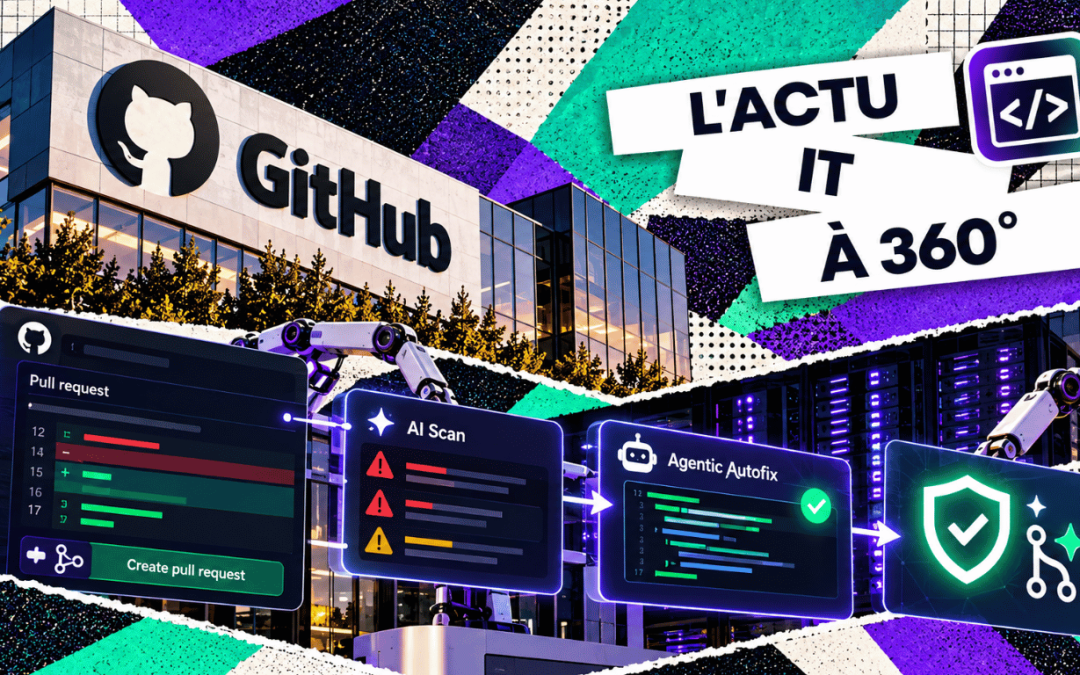
GitHub steps up vulnerability detection and remediation with AI Scan and Agentic Autofix
GitHub has announced the general availability of AI Scan for pull requests and Agentic Autofix for code scanning alerts.[1][2] These features bring AI assistance closer to the work of securing code. They do, however, operate on different scopes: proposed...

Cloudflare makes web security programmable with Workers
Cloudflare is bringing its secure web gateway closer to its Workers development platform. With Forward, available in public beta, businesses can add code to the processing of certain authorised HTTP requests.[2] For IT teams, this development opens up a...

Palo Alto Networks strengthens AI agent security around Claude Enterprise
PPalo Alto Networks has unveiled several updates to Prisma AIRS: protection of interactions with Claude Enterprise, analysis of the components used by agents and control of their exchanges with tools.[1] The stakes are concrete for businesses: preventing an assistant...
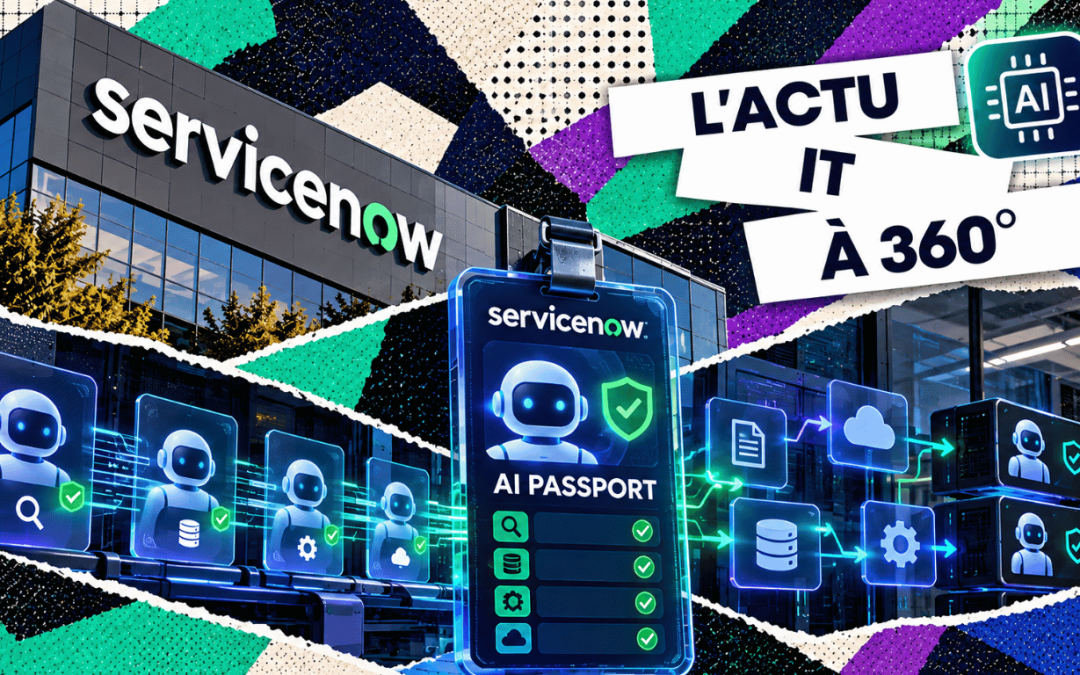
ServiceNow prepares AI Passport to control AI agents’ access rights
ServiceNow has announced AI Passport, a cryptographically signed authorisation credential designed to govern AI agents and MCP servers while workflows are running. It is scheduled to be available in the fourth quarter of 2026.[1] The image of a digital badge helps to...
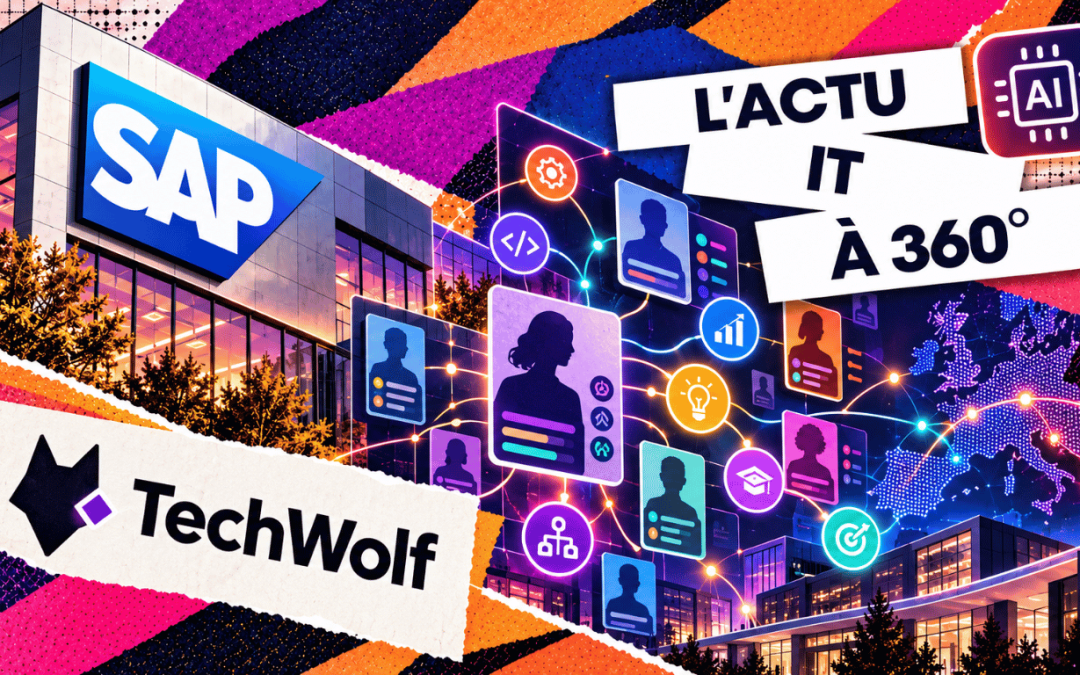
SAP wants to acquire TechWolf to link tasks, skills and the transformation of jobs
SAP has announced an agreement to acquire TechWolf, an AI platform that links tasks, skills and changes in the labour market. Completion is expected in the fourth quarter of 2026, subject in particular to regulatory approvals.[1] The deal raises a practical...