


Cybercriminals are changing targets
Cyberattacks are no longer aimed solely at data or workstations. The credentials used to access cloud platforms, artificial intelligence environments and development tools have become highly sought-after assets. It is against this backdrop that cybersecurity researchers have identified Djinn Stealer, a new piece of malware spread via a critical vulnerability in the SimpleHelp remote administration software, tracked as CVE-2026-48558. Once installed, it seeks to steal authentication details that could open up access to companies’ digital infrastructure.1
A single flaw can open the doors to the information system
Djinn Stealer exploits an authentication vulnerability that allows attackers to compromise an inadequately protected SimpleHelp server. Once this initial access has been gained, the malware harvests various types of credentials stored on the compromised machines: administrator accounts, cloud access, API keys, authentication tokens, development environments and artificial intelligence platforms. This information can then be sold on or used to prepare more complex attacks against the entire information system.1
Cloud credentials have become a strategic target
Businesses today use many cloud-hosted services as well as AI platforms accessed via credentials or access keys. For cybercriminals, stealing this information is often more profitable than launching a direct attack on infrastructure. By obtaining valid credentials, they can bypass certain protections, access sensitive resources, deploy malicious software or compromise development environments. Technical accounts are thus becoming prime entry points into modern information systems.2
AI creates new assets to protect
The rise of artificial intelligence is also changing the nature of sensitive information. API keys giving access to AI models, tokens used to orchestrate intelligent agents and credentials for development platforms are now critical resources for businesses. Their compromise can lead to financial losses, service outages or fraudulent use of particularly expensive computing capacity. Cybersecurity strategies must therefore evolve to cover these new digital assets in the same way as sensitive data or network infrastructure.2
Detecting the intrusion before it spreads
Faced with this type of threat, speed of detection becomes essential. Once credentials have been compromised, attackers generally seek to escalate their privileges gradually in order to reach other systems. Monitoring unusual logins, multi-factor authentication, regular rotation of access keys and segmentation of cloud environments help limit the consequences of a compromise. Businesses must also apply security patches promptly to prevent the exploitation of known vulnerabilities such as the one affecting SimpleHelp.3
New digital assets are redefining cybersecurity
This threat illustrates why Cybersecurity is evolving rapidly in response to new uses of the cloud and artificial intelligence. Professionals must now protect far more than servers or workstations. They must also secure digital identities, API keys, development environments, cloud platforms and access to AI services. As these resources become indispensable to how businesses operate, protecting them is becoming a central element of any security strategy.
Digital identities become the new defence perimeter
With Djinn Stealer, cybercriminals are demonstrating that access to cloud services and artificial intelligence platforms is now a priority target. This development confirms that corporate security no longer rests solely on protecting data, but also on controlling the digital identities that provide access to it. In an environment where infrastructure is becoming ever more distributed, securing this access is one of the main challenges of the years ahead.
360° IT News — decoding technology to understand the jobs of tomorrow.
Further reading
The integration of AI agents into collaborative tools is part of a broader evolution of professional software, in which artificial intelligence plays a direct role in business processes. On a related topic, read our article “With Code Layers, Figma brings design and development firmly together”, which shows how AI agents are now being built into design platforms to bring design and development teams closer together.
References
1. Dark Reading. (2026). Djinn Stealer Targets Cloud and AI Credentials via SimpleHelp Vulnerability.
https://www.darkreading.com
2. MITRE. (2026). CVE-2026-48558.
https://cve.mitre.org
3. CISA. (2026). Best Practices for Protecting Credentials and Cloud Environments.
https://www.cisa.gov
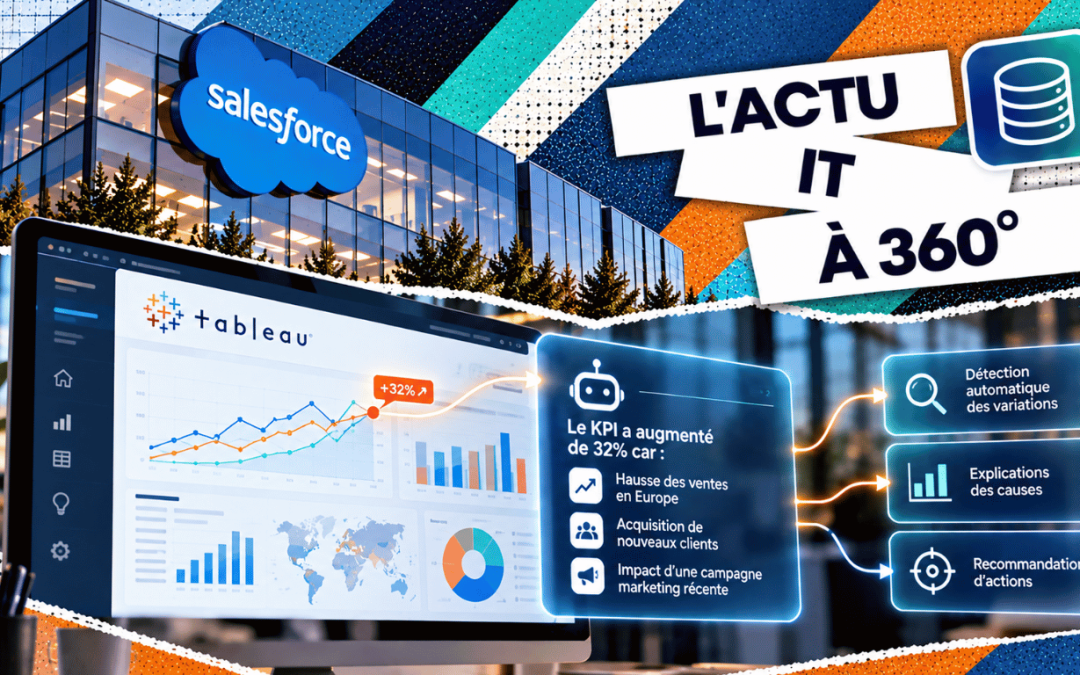
Salesforce wants to acquire Loops to help Tableau explain KPI changes
Salesforce has announced a definitive agreement to acquire Loops, an AI-based analytics platform, with the intention of integrating its technology into Tableau after closing.[1] The aim is to monitor metrics and bring out the factors associated with their changes. For...

Cisco and NVIDIA prepare 400 Gb/s-per-lane optical connections for AI infrastructure
Cisco and NVIDIA have announced a project for a pluggable optical form factor, USFP, capable of supporting 400 Gb/s per lane. Cisco is also unveiling the Silicon One G302 switching chip, rated at 51.2 Tb/s.[1] These announcements address a key challenge for AI...
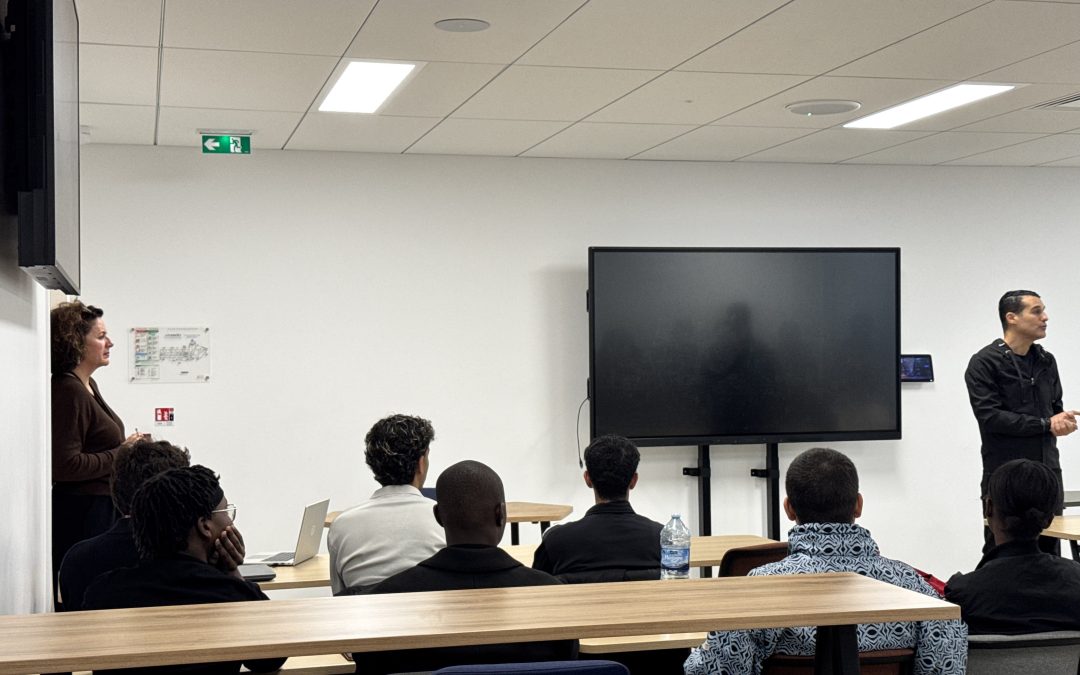
A new year begins at CCCLX!
The Paris-Villejuif campus welcomes CCCLX students for a new year of learning, projects and experiences at the heart of 360° IT.

VMware HyperArmor strengthens hypervisor protection against cyberattacks
Broadcom has unveiled VMware HyperArmor, a solution designed to protect the ESX hypervisor of VMware Cloud Foundation, with announced support for ESX 8.x and later versions.[1] The stakes go beyond the security of a single application: the hypervisor is a shared...

SolarWinds Avior: IT teams set the goals and agents coordinate the actions
SolarWinds has launched Avior, an agentic AI system designed to pursue operational goals in hybrid IT environments. Available since 14 October as part of a guided onboarding programme, it combines specialised agents with control mechanisms.[1] For technical teams, the...
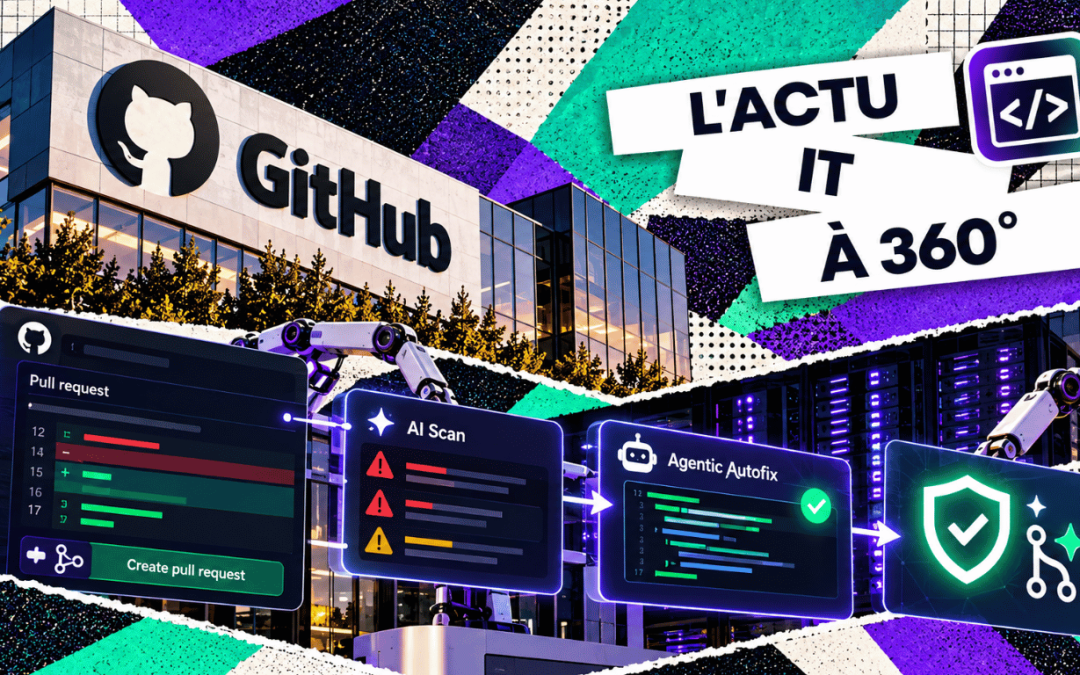
GitHub steps up vulnerability detection and remediation with AI Scan and Agentic Autofix
GitHub has announced the general availability of AI Scan for pull requests and Agentic Autofix for code scanning alerts.[1][2] These features bring AI assistance closer to the work of securing code. They do, however, operate on different scopes: proposed...

Cloudflare makes web security programmable with Workers
Cloudflare is bringing its secure web gateway closer to its Workers development platform. With Forward, available in public beta, businesses can add code to the processing of certain authorised HTTP requests.[2] For IT teams, this development opens up a...

Palo Alto Networks strengthens AI agent security around Claude Enterprise
PPalo Alto Networks has unveiled several updates to Prisma AIRS: protection of interactions with Claude Enterprise, analysis of the components used by agents and control of their exchanges with tools.[1] The stakes are concrete for businesses: preventing an assistant...
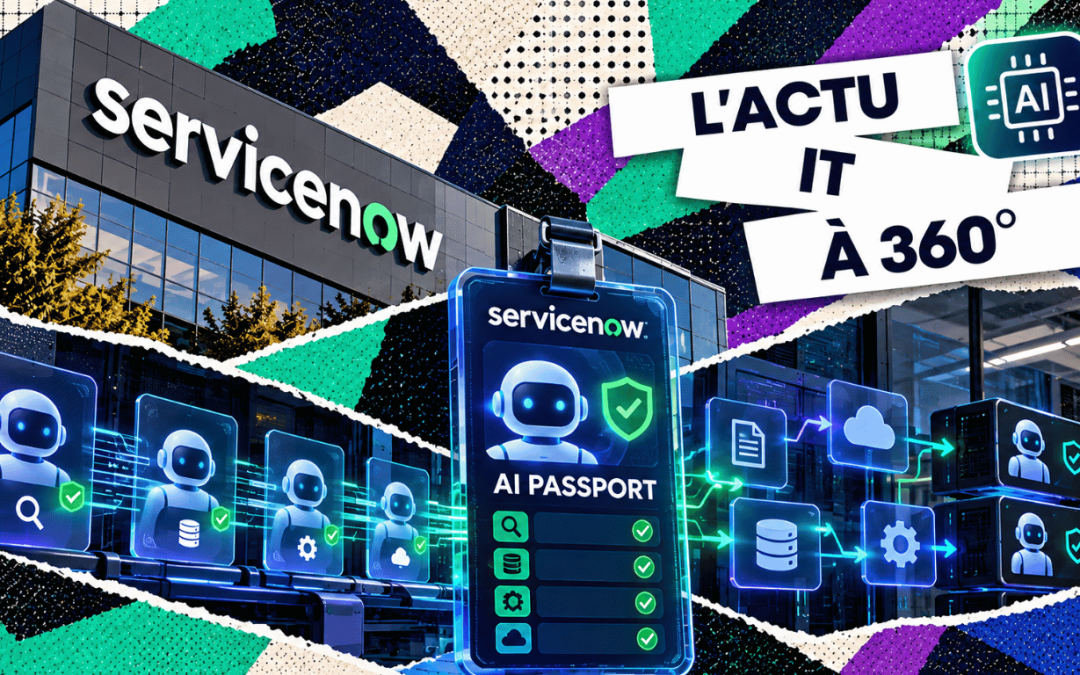
ServiceNow prepares AI Passport to control AI agents’ access rights
ServiceNow has announced AI Passport, a cryptographically signed authorisation credential designed to govern AI agents and MCP servers while workflows are running. It is scheduled to be available in the fourth quarter of 2026.[1] The image of a digital badge helps to...
SAP wants to acquire TechWolf to link tasks, skills and the transformation of jobs
SAP has announced an agreement to acquire TechWolf, an AI platform that links tasks, skills and changes in the labour market. Completion is expected in the fourth quarter of 2026, subject in particular to regulatory approvals.[1] The deal raises a practical...