


News in brief
Tencent has just integrated OpenClaw into WeChat, turning the app into far more than a simple communication tool. This development introduces agents capable of carrying out tasks directly from the interface, without going through several applications or intermediate steps. This announcement is not just a functional improvement but a paradigm shift: applications are becoming intelligent environments capable of acting on the user’s behalf. With more than a billion users, WeChat is thus becoming a large-scale laboratory for testing a new generation of digital uses.¹
Agents that move from assistance to execution
Until now, artificial intelligence has mainly been used to assist, suggest or generate content. With OpenClaw, AI is crossing a threshold by becoming capable of carrying out concrete actions within a digital system. This means that a user can delegate certain tasks, such as organising a diary, sending messages or managing files, without intervening at every step. This development has been made possible by advances in artificial intelligence models capable of understanding complex contexts and interacting with different tools. AI is thus becoming a genuine intermediary between users and their digital tools.²
Saving time without changing working habits
For businesses, start-ups and freelancers, integrating these agents directly into an app such as WeChat profoundly changes the way AI is used. Rather than adopting new tools or deploying complex solutions, it becomes possible to automate tasks directly within an environment already used every day. This approach reduces technological friction and makes automation accessible to a larger number of organisations, particularly SMEs. It saves time on repetitive tasks and allows teams to refocus on higher-value activities, which is essential in a context of digital transformation.
A global battle over intelligent platforms
Tencent’s initiative is part of a global competition between the major technology companies. Alibaba, Baidu and other players are also developing agent-based solutions capable of automating processes and coordinating actions across different systems. This dynamic shows that platforms are no longer just tools, but are becoming ecosystems capable of orchestrating intelligent actions. The challenge is no longer simply to offer features, but to control complete digital environments in which artificial intelligence plays a central role.
Knowing how to orchestrate AI is becoming a decisive skill
In this context, the key skill is no longer simply understanding artificial intelligence, but knowing how to orchestrate it in a professional environment. IT professionals must be able to configure agents, supervise their actions and guarantee the security of the data they handle. Generative artificial intelligence is thus becoming an operational lever, built into business processes. This ability to manage intelligent systems is becoming essential to support businesses in their digital transformation and to exploit the full potential of these technologies.
Applications that anticipate and act
With the arrival of AI agents in WeChat, a new stage has been reached in the evolution of digital tools. Applications no longer simply respond to requests; they anticipate and carry out actions for the user. This transformation heralds a future in which interactions with digital tools will be increasingly automated and seamless. For students and future IT professionals, understanding this development is crucial, because it is redefining uses, IT jobs and the digital skills needed in an environment dominated by artificial intelligence.
360° IT News — decoding technology to understand the jobs of tomorrow.
References
1. Reuters. Tencent integrates AI agents into WeChat ecosystem.
https://www.reuters.com
2. OpenClaw. Open-source AI agent architecture overview.
https://github.com

Lumo AI 2.0 speeds up without sacrificing data protection
Proton wants to prove that a high-performing AI can also be private The artificial intelligence race is no longer played out solely on model performance. User trust and data protection are now becoming major differentiators. With Lumo AI 2.0, Proton is upgrading its...
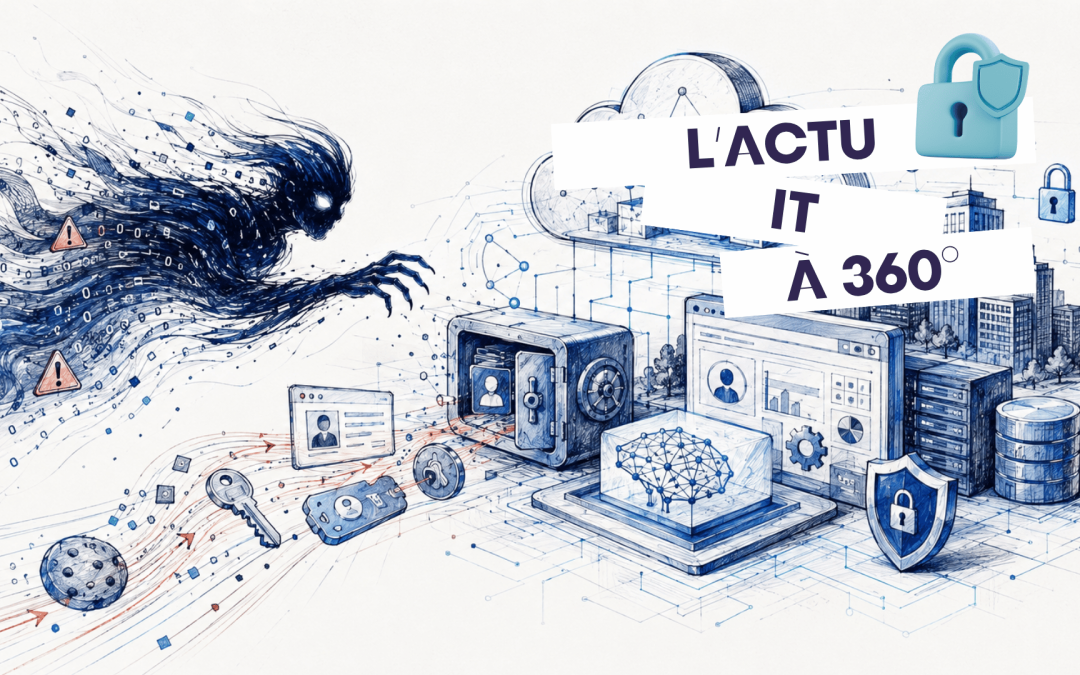
Djinn Stealer: the malware targeting companies’ cloud and AI credentials
Cybercriminals are changing targets Cyberattacks are no longer aimed solely at data or workstations. The credentials used to access cloud platforms, artificial intelligence environments and development tools have become highly sought-after assets. It is against this...
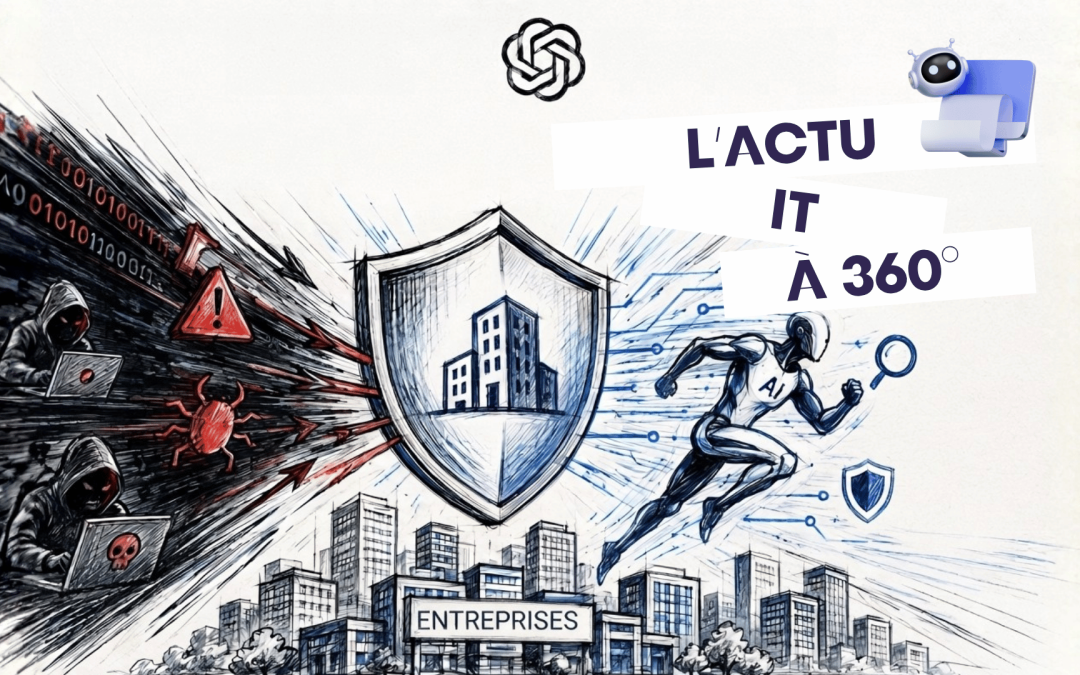
Claude Tag turns Slack into a genuine agentic workspace
AI agents settle at the heart of collaborative work Artificial intelligence is no longer limited to assistants accessed in a chat window. With Claude Tag, Anthropic is taking a new step by building an AI agent directly into Slack. Available in beta for Claude...

IBM and OpenAI want to arm businesses against machine-speed cyberattacks
Defenders must now fight AI with AI Cyberattacks are evolving at unprecedented speed. Thanks to artificial intelligence models, attackers can automate the search for vulnerabilities, analyse code in seconds and quickly identify the most exposed systems. To respond to...
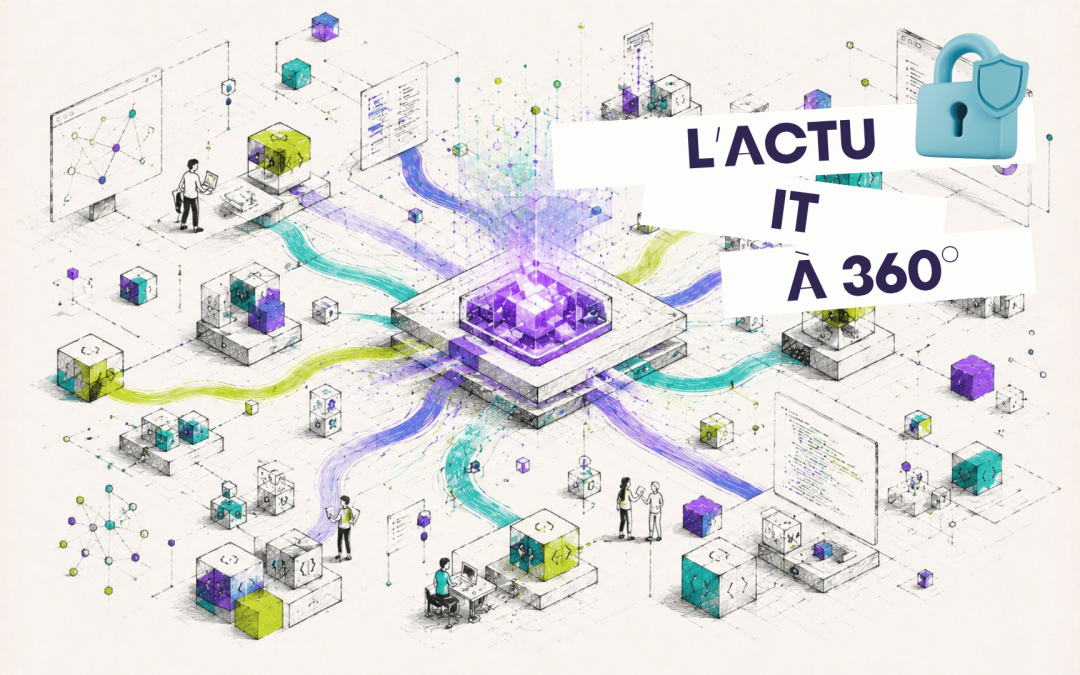
Open-source security scales up: IBM, Red Hat and Palo Alto join forces
Cyberattacks push IT giants to join forces Open-source components are present in virtually all modern applications, from cloud platforms to business software. This dependence, however, comes with a growing risk: vulnerabilities are now discovered and exploited much...
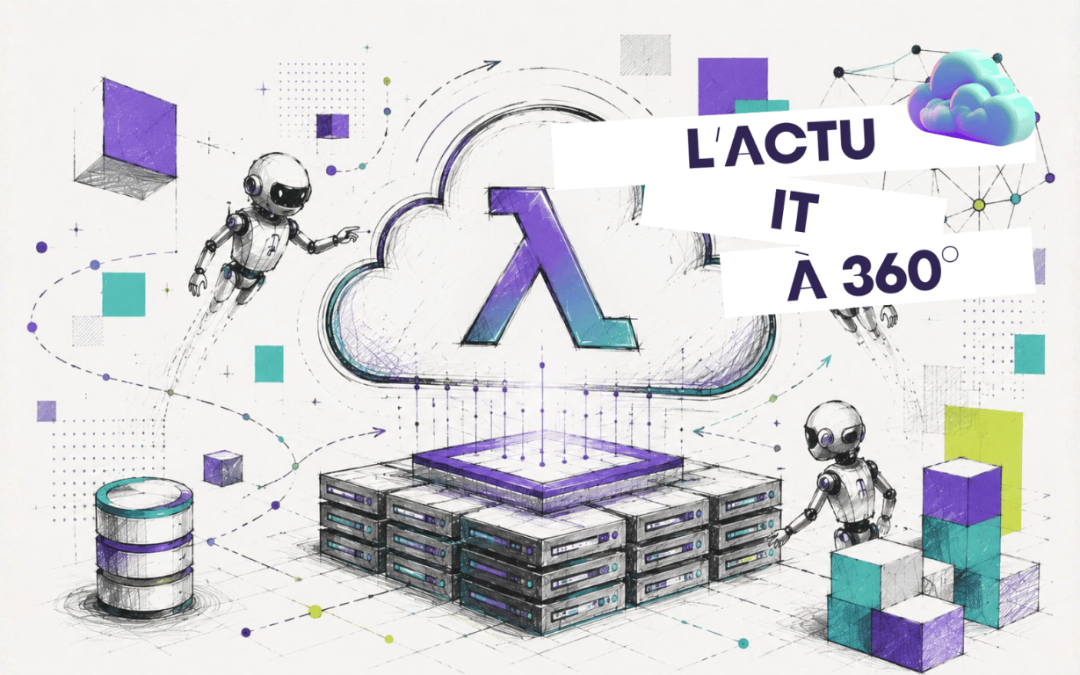
With Lambda, AWS prepares cloud infrastructure for autonomous AI agents
Serverless enters a new phase The cloud is evolving to meet the needs of a new generation of applications based on agentic artificial intelligence. As AI agents become capable of carrying out complex tasks for hours at a time, traditional serverless architectures are...
With Code Layers, Figma brings design and development together for good
A new step towards building apps without boundaries Design and software development have long followed two separate paths. Designers imagined the interfaces, developers then translated them into code, with many back-and-forth exchanges and sometimes discrepancies...
Google Chrome sees what you see: Gemini can now analyse your screen
Chrome takes a new step towards the intelligent browser Web browsers no longer simply display web pages. They are gradually becoming genuine assistants capable of understanding the context in which users are working. With the new “Select from screen” feature, Google...
SpaceX buys Cursor: agentic AI becomes the new standard in software development
An acquisition that reaches far beyond the software world SpaceX’s acquisition of Anysphere, the company behind Cursor, for an estimated $60 billion marks a major turning point in the tech industry. Behind this spectacular deal lies a much deeper transformation: the...
Europe’s AI takes shape: OVHcloud is developing its own LLMs
OVHcloud wants to move from cloud to artificial intelligence Long recognised as a major player in European cloud, OVHcloud now aims to play a much bigger role in the artificial intelligence ecosystem. At the VivaTech trade show, Octave Klaba, the group’s founder and...