


The AI explosion is transforming the infrastructure market
Nokia is reaping the full benefits of the rise of artificial intelligence and the proliferation of data centres that comes with it. In the second quarter of 2026, the company’s Network Infrastructure business grew by 12%, driven by investment from major cloud providers and operators modernising their infrastructure to meet the needs of AI applications. The group also announced 2.8 billion euros in AI and cloud-related orders, confirming that the artificial intelligence revolution is now driving the entire digital infrastructure chain.1
Data centres are becoming the heart of the digital revolution
Every new artificial intelligence model requires thousands of servers, compute accelerators and, above all, networks capable of carrying huge volumes of data with minimal latency. Data centres are no longer simple hosting centres: they are becoming high-performance computing platforms where network performance is as strategic as that of processors or GPUs. This shift explains why infrastructure suppliers such as Nokia are regaining a central role in the AI ecosystem.2
Networks are gaining in power
The rise of AI infrastructure is forcing companies to modernise their networks to connect servers, storage arrays and cloud equipment at ever higher speeds. High-speed Ethernet, optical networks and next-generation architectures are becoming essential to guarantee fast exchanges between computing resources. For Nokia, this demand represents a lasting growth driver, well beyond the traditional telecoms market.1
A new wave of investment driven by the cloud
Hyperscalers, cloud providers and large companies are ramping up investment to build new data centres dedicated to artificial intelligence. This momentum benefits all the players able to supply the network equipment, interconnection solutions and infrastructure these new environments require. AI is therefore not only boosting chipmakers: it is also accelerating the development of the entire networking and cloud ecosystem.3
Infrastructure becomes a strategic advantage
Competition in artificial intelligence no longer rests solely on models or applications. Organisations able to rapidly deploy high-performance infrastructure will have a decisive advantage in training, hosting and running the next generations of AI. Networks are thus becoming a strategic element of digital competitiveness, just like computing power or storage capacity.
Networks are entering a new era
The example of Nokia shows that artificial intelligence is profoundly transforming the digital infrastructure market. IT professionals will need to master ever more powerful network architectures capable of supporting new uses of AI, distributed cloud and next-generation data centres. In the coming years, network infrastructure skills will be at the heart of the most ambitious digital projects.
360° IT News — decoding technology to understand the jobs of tomorrow.
Further reading
Network infrastructure is just one of the pillars of the artificial intelligence revolution. Read our article “The cloud gets ready for autonomous agents: AWS evolves Lambda”, which explains how cloud platforms are evolving to run the next generation of AI agents and meet the growing needs of intelligent data centres.
References
1. Nokia. (2026). Second Quarter and Half Year 2026 Results.
https://www.nokia.com
2. Nokia. (2026). AI and Data Center Networking.
https://www.nokia.com/networks
3. IDC. (2026). Worldwide AI Infrastructure Market Forecast.
https://www.idc.com

GitHub Copilot bulks up for business: coding agents come under IT control
Copilot is no longer just there to suggest the next line GitHub Copilot is continuing its transformation. Originally known mainly for completing code in the editor, the tool is now evolving towards agents capable of exploring a project, modifying files, using tools...

PDFs, presentations, audio: Adobe wants to turn Acrobat into a content factory
Acrobat no longer just wants to open your documents For more than thirty years, Acrobat has mainly been used to read, create, edit, sign and share PDFs. Adobe now wants to give it a much broader role. On 9 September 2026, the company announced new capabilities based...

Salesforce plugs Claude into its CRM: Claudeforce prepares for life after the interface
What if the CRM soon no longer needed to be opened? For decades, using a CRM meant navigating between customer records, dashboards, menus and forms. With Claudeforce, Salesforce and Anthropic want to change this logic: rather than forcing users to go into Salesforce...

Kimi K3, Mistral, DeepSeek: Oracle turns OCI into an AI model hub
Oracle wants to make OCI a one-stop shop for AI Oracle is stepping up its efforts in the AI cloud battle by significantly expanding the catalogue of models available in OCI Enterprise AI. On 4 September 2026, the group announced in particular the integration of Kimi...
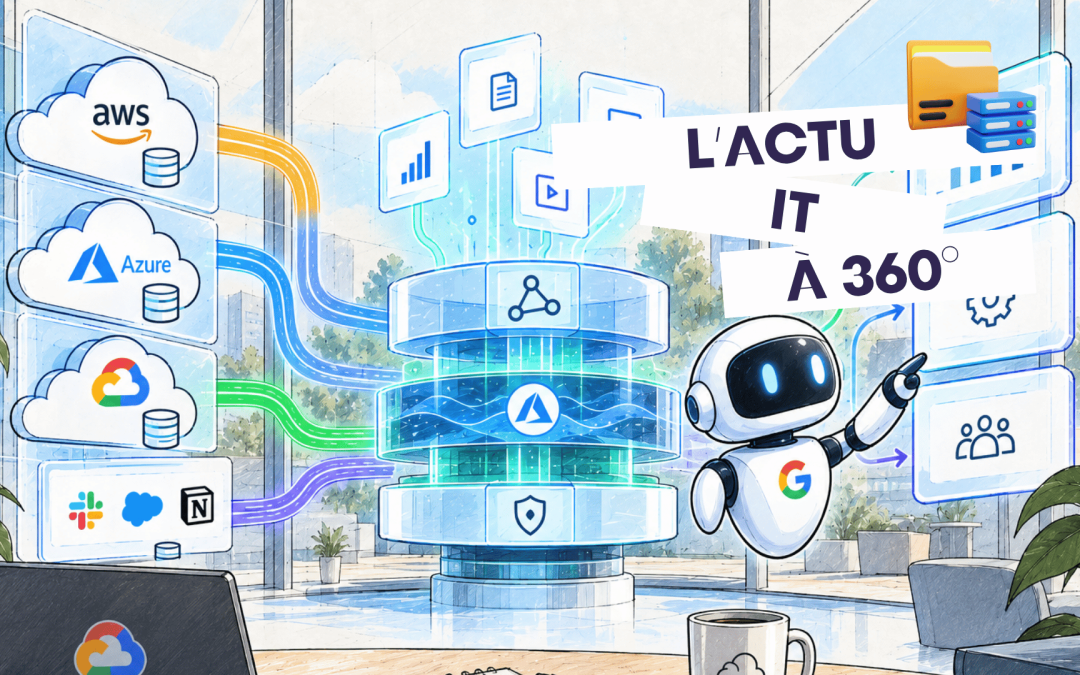
Agentic Data Cloud: Google rethinks data for the age of AI agents
AI agents are forcing Google to rethink data architecture AI agents promise to search for information, make decisions and act directly within company systems, but this autonomy depends on one essential condition: accessing the right data and, above all, understanding...
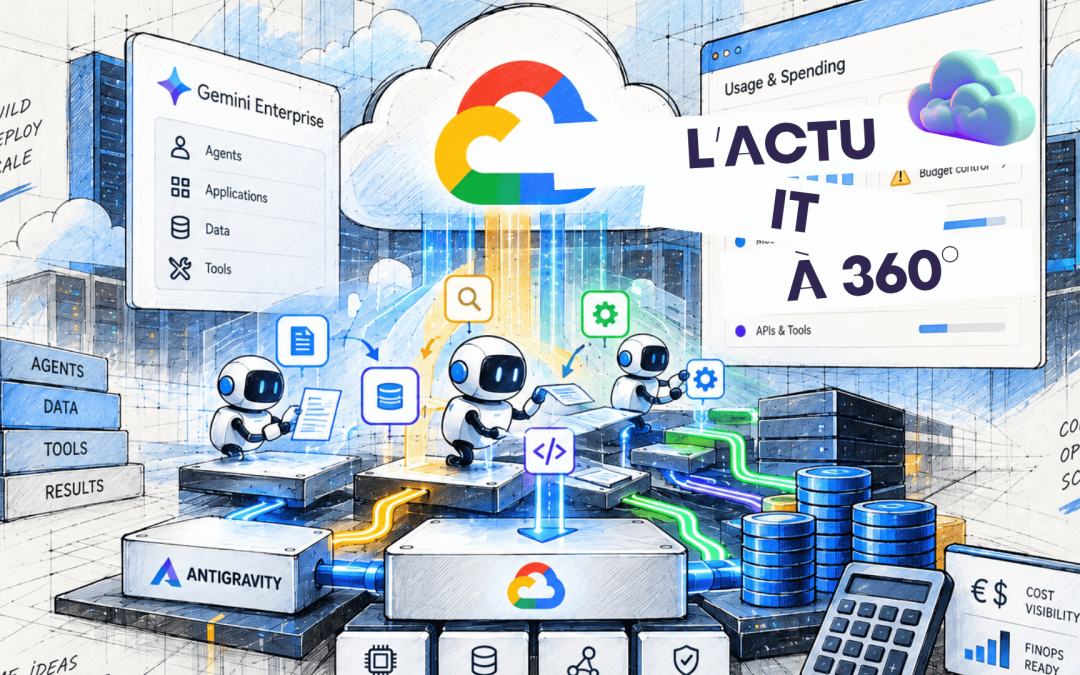
Google Cloud tackles the hidden bill of AI agents
AI agents raise a new problem: how much does a task really cost? As companies move from chatbots to AI agents able to work through multiple steps, the question of cost becomes much more complex. A chatbot generally handles a request and generates an answer, whereas an...
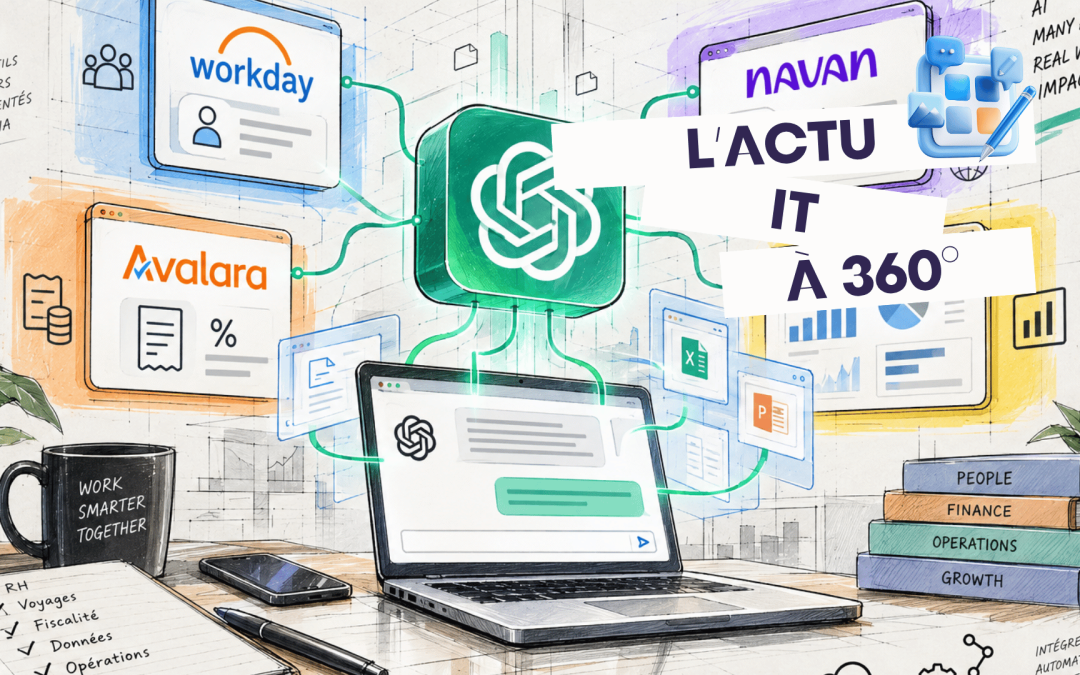
Workday, Navan, Avalara: ChatGPT Work moves into business software
ChatGPT Work is gradually leaving the chat window With GPT-6 Astra, OpenAI is no longer simply trying to improve the quality of ChatGPT’s answers. The company wants to bring its AI closer to the applications in which employees actually work. With the arrival of GPT-6...

From chip to cloud: Groq raises 350 million to scale up
Groq now wants to sell cloud rather than just chips Groq is pursuing a major strategic transformation. Long seen as one of Nvidia’s challengers thanks to its LPUs (Language Processing Units) specialised in artificial intelligence model inference, the group is now...

Muse Code: Meta launches its AI agent to tackle giant codebases
Meta wants to bring AI agents into complex software projects Meta is stepping up its efforts in AI-assisted software development with Muse Code, a new agent designed to work on large codebases, where traditional assistants can quickly lose the context needed to...

Qwen3.8-Max reportedly coded for 16 days without human intervention
Alibaba tests how far an autonomous AI developer can go Alibaba claims to have reached a new milestone in agentic software development with Qwen3.8-Max, its new flagship model launched in early August 2026. In an internal test, the model reportedly worked fully...