


Cybercriminals are changing targets
Cyberattacks are no longer aimed solely at data or workstations. The credentials used to access cloud platforms, artificial intelligence environments and development tools have become highly sought-after assets. It is against this backdrop that cybersecurity researchers have identified Djinn Stealer, a new piece of malware spread via a critical vulnerability in the SimpleHelp remote administration software, tracked as CVE-2026-48558. Once installed, it seeks to steal authentication details that could open up access to companies’ digital infrastructure.1
A single flaw can open the doors to the information system
Djinn Stealer exploits an authentication vulnerability that allows attackers to compromise an inadequately protected SimpleHelp server. Once this initial access has been gained, the malware harvests various types of credentials stored on the compromised machines: administrator accounts, cloud access, API keys, authentication tokens, development environments and artificial intelligence platforms. This information can then be sold on or used to prepare more complex attacks against the entire information system.1
Cloud credentials have become a strategic target
Businesses today use many cloud-hosted services as well as AI platforms accessed via credentials or access keys. For cybercriminals, stealing this information is often more profitable than launching a direct attack on infrastructure. By obtaining valid credentials, they can bypass certain protections, access sensitive resources, deploy malicious software or compromise development environments. Technical accounts are thus becoming prime entry points into modern information systems.2
AI creates new assets to protect
The rise of artificial intelligence is also changing the nature of sensitive information. API keys giving access to AI models, tokens used to orchestrate intelligent agents and credentials for development platforms are now critical resources for businesses. Their compromise can lead to financial losses, service outages or fraudulent use of particularly expensive computing capacity. Cybersecurity strategies must therefore evolve to cover these new digital assets in the same way as sensitive data or network infrastructure.2
Detecting the intrusion before it spreads
Faced with this type of threat, speed of detection becomes essential. Once credentials have been compromised, attackers generally seek to escalate their privileges gradually in order to reach other systems. Monitoring unusual logins, multi-factor authentication, regular rotation of access keys and segmentation of cloud environments help limit the consequences of a compromise. Businesses must also apply security patches promptly to prevent the exploitation of known vulnerabilities such as the one affecting SimpleHelp.3
New digital assets are redefining cybersecurity
This threat illustrates why Cybersecurity is evolving rapidly in response to new uses of the cloud and artificial intelligence. Professionals must now protect far more than servers or workstations. They must also secure digital identities, API keys, development environments, cloud platforms and access to AI services. As these resources become indispensable to how businesses operate, protecting them is becoming a central element of any security strategy.
Digital identities become the new defence perimeter
With Djinn Stealer, cybercriminals are demonstrating that access to cloud services and artificial intelligence platforms is now a priority target. This development confirms that corporate security no longer rests solely on protecting data, but also on controlling the digital identities that provide access to it. In an environment where infrastructure is becoming ever more distributed, securing this access is one of the main challenges of the years ahead.
360° IT News — decoding technology to understand the jobs of tomorrow.
Further reading
The integration of AI agents into collaborative tools is part of a broader evolution of professional software, in which artificial intelligence plays a direct role in business processes. On a related topic, read our article “With Code Layers, Figma brings design and development firmly together”, which shows how AI agents are now being built into design platforms to bring design and development teams closer together.
References
1. Dark Reading. (2026). Djinn Stealer Targets Cloud and AI Credentials via SimpleHelp Vulnerability.
https://www.darkreading.com
2. MITRE. (2026). CVE-2026-48558.
https://cve.mitre.org
3. CISA. (2026). Best Practices for Protecting Credentials and Cloud Environments.
https://www.cisa.gov
GitHub Copilot bulks up for business: coding agents come under IT control
Copilot is no longer just there to suggest the next line GitHub Copilot is continuing its transformation. Originally known mainly for completing code in the editor, the tool is now evolving towards agents capable of exploring a project, modifying files, using tools...

PDFs, presentations, audio: Adobe wants to turn Acrobat into a content factory
Acrobat no longer just wants to open your documents For more than thirty years, Acrobat has mainly been used to read, create, edit, sign and share PDFs. Adobe now wants to give it a much broader role. On 9 September 2026, the company announced new capabilities based...
Salesforce plugs Claude into its CRM: Claudeforce prepares for life after the interface
What if the CRM soon no longer needed to be opened? For decades, using a CRM meant navigating between customer records, dashboards, menus and forms. With Claudeforce, Salesforce and Anthropic want to change this logic: rather than forcing users to go into Salesforce...

Kimi K3, Mistral, DeepSeek: Oracle turns OCI into an AI model hub
Oracle wants to make OCI a one-stop shop for AI Oracle is stepping up its efforts in the AI cloud battle by significantly expanding the catalogue of models available in OCI Enterprise AI. On 4 September 2026, the group announced in particular the integration of Kimi...
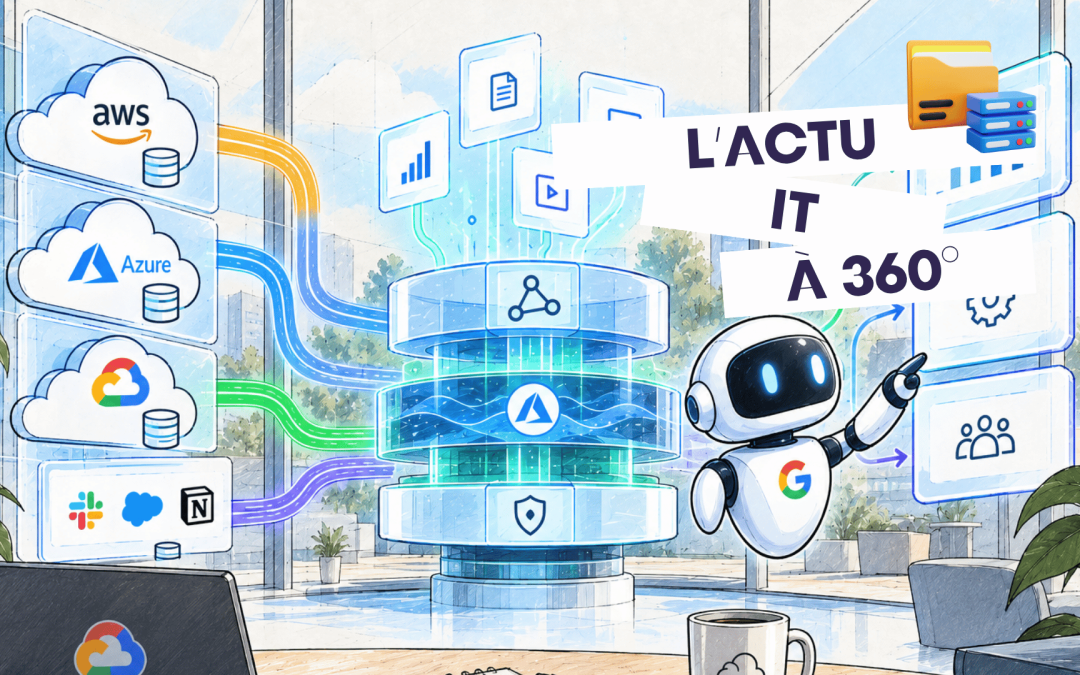
Agentic Data Cloud: Google rethinks data for the age of AI agents
AI agents are forcing Google to rethink data architecture AI agents promise to search for information, make decisions and act directly within company systems, but this autonomy depends on one essential condition: accessing the right data and, above all, understanding...
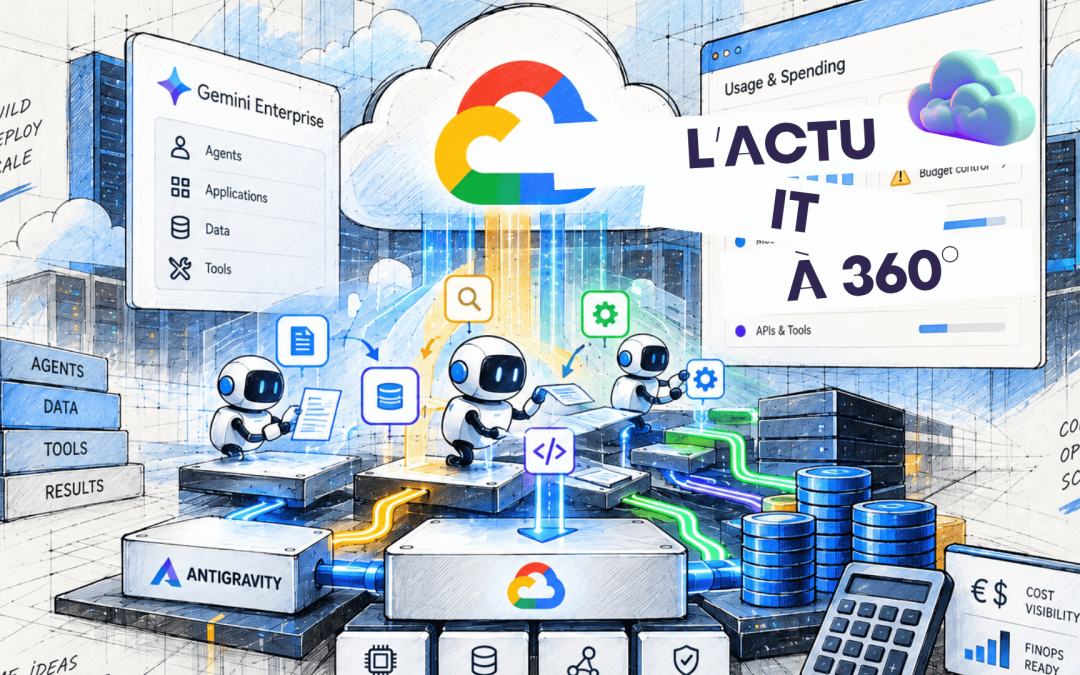
Google Cloud tackles the hidden bill of AI agents
AI agents raise a new problem: how much does a task really cost? As companies move from chatbots to AI agents able to work through multiple steps, the question of cost becomes much more complex. A chatbot generally handles a request and generates an answer, whereas an...
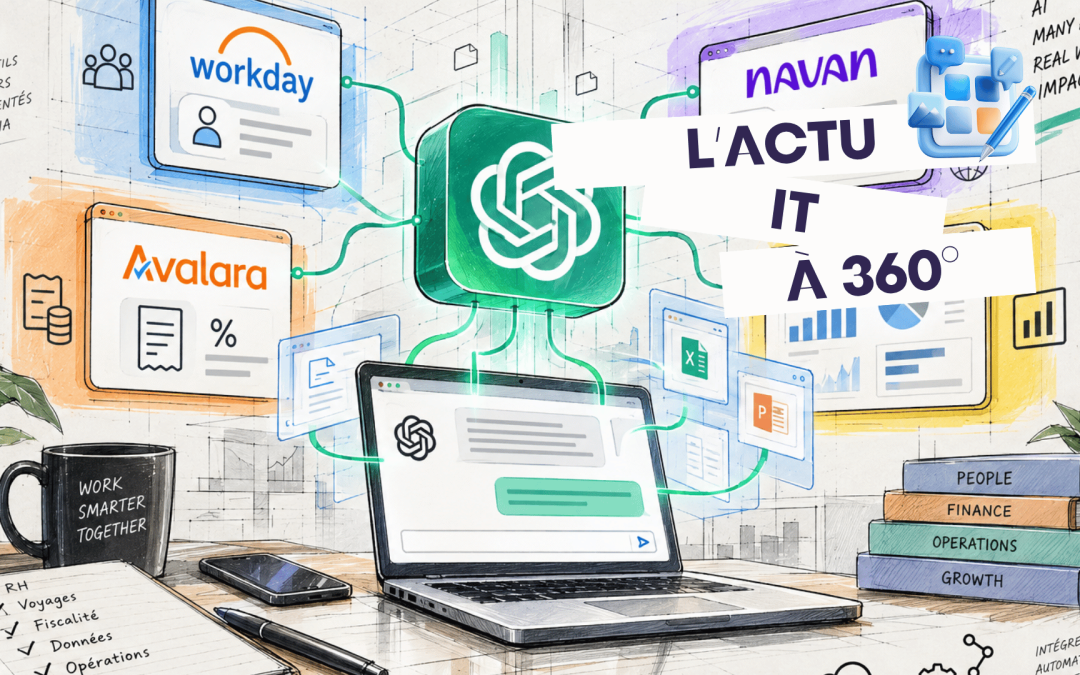
Workday, Navan, Avalara: ChatGPT Work moves into business software
ChatGPT Work is gradually leaving the chat window With GPT-6 Astra, OpenAI is no longer simply trying to improve the quality of ChatGPT’s answers. The company wants to bring its AI closer to the applications in which employees actually work. With the arrival of GPT-6...

From chip to cloud: Groq raises 350 million to scale up
Groq now wants to sell cloud rather than just chips Groq is pursuing a major strategic transformation. Long seen as one of Nvidia’s challengers thanks to its LPUs (Language Processing Units) specialised in artificial intelligence model inference, the group is now...

Muse Code: Meta launches its AI agent to tackle giant codebases
Meta wants to bring AI agents into complex software projects Meta is stepping up its efforts in AI-assisted software development with Muse Code, a new agent designed to work on large codebases, where traditional assistants can quickly lose the context needed to...

Qwen3.8-Max reportedly coded for 16 days without human intervention
Alibaba tests how far an autonomous AI developer can go Alibaba claims to have reached a new milestone in agentic software development with Qwen3.8-Max, its new flagship model launched in early August 2026. In an internal test, the model reportedly worked fully...