


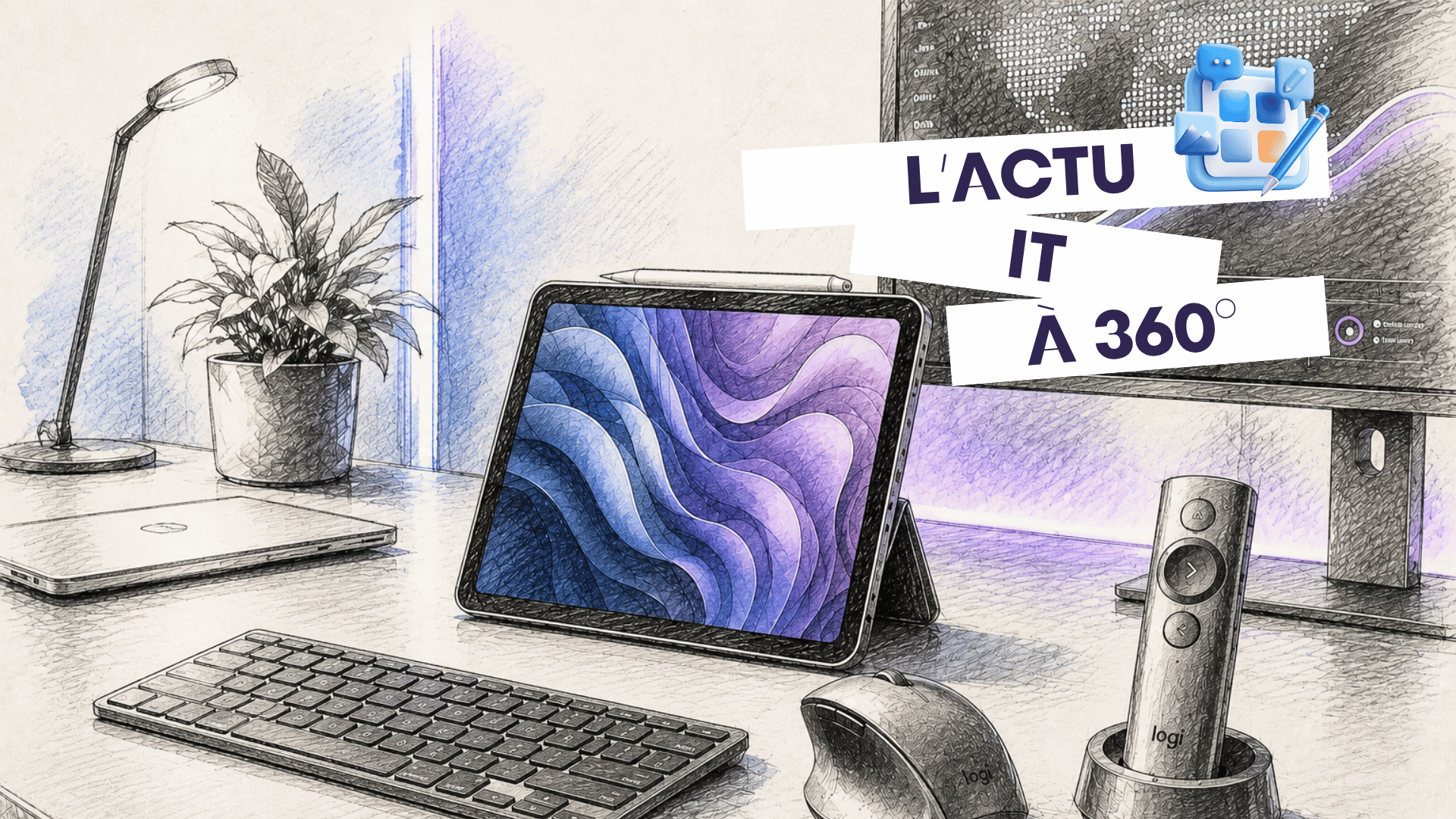
The office is everywhere, but the tools do not always keep up
Hybrid working has profoundly changed professional habits. Video-conference meetings, frequent travel, days split between home, the office and coworking spaces: employees now move between multiple environments. Yet the equipment they use on the move is often less comfortable and less capable than what is available at the office. With the launch of the Mobi Fold folding mouse and the Spotlight 2 presenter, Logitech is seeking to respond to this new reality with tools designed to support professionals wherever they work.
Mobile working is becoming the norm
The spread of hybrid working has changed the expectations of companies and employees alike. Stations, cafés, hotels and coworking spaces have become fully fledged workplaces. This mobility offers greater flexibility, but it also exposes employees to ergonomic and technical constraints. Many professionals, for example, still rely solely on their laptop’s touchpad when travelling, at the expense of comfort and sometimes productivity.
Mobi Fold focuses on mobile ergonomics
To address this issue, Logitech has unveiled Mobi Fold, a folding mouse designed for mobile workers. Its main strength lies in its compact format, which makes it easy to carry while retaining ergonomics close to those of a traditional mouse. According to Logitech, prolonged use of a mouse can significantly reduce muscle strain compared with intensive use of a trackpad1. This approach is part of a broader trend: improving the user experience is becoming a productivity lever for businesses.
CIOs also want security
Beyond comfort, IT departments must guarantee the security of equipment used outside the company network. The business version of Mobi Fold therefore includes the Logi Bolt receiver, which provides a secure wireless connection via USB-C. Logitech also offers compatibility with its Logitech Sync platform, allowing IT teams to monitor and manage the peripherals deployed across organisations1. This remote management capability is becoming particularly important in hybrid environments where employees work from several locations.
Embedded intelligence comes to peripherals
Office equipment is also becoming smarter. Logitech has built several automated functions into Mobi Fold, including automatic power on and off linked to the folding mechanism. The device also uses intelligent mechanisms to prevent certain accidental clicks when it is closed. These features illustrate an underlying trend: embedded intelligence is gradually finding its way into everyday peripherals to simplify the user experience.
Spotlight 2 rethinks public speaking
The other new product announced by Logitech is Spotlight 2, a presentation remote for professionals who regularly speak in front of an audience. The device features a pressure-sensitive interface and a haptic feedback system that guides users without them needing to look at the remote. Logitech also envisages uses related to stress management, with discreet pulses that can help pace breathing before a presentation1.
Presentations are becoming more interactive
With Spotlight 2, Logitech is also seeking to move beyond the limits of the traditional laser pointer. The device makes it possible to highlight certain elements on screen, zoom in on a specific area or annotate content live. These features respond to the new practices of hybrid meetings, in which part of the audience is often remote. In this context, making presentations more visible and more interactive is becoming an important way of keeping participants’ attention.
Hardware is evolving with new ways of working
The arrival of this new equipment illustrates a broader transformation of the IT market. Having long concentrated their efforts on computers and collaborative software, manufacturers are now turning their attention to accessories that can improve the everyday working experience. The modern workstation is no longer limited to a fixed desk: it must accompany users wherever they go while guaranteeing comfort, security and performance.
Understanding new working environments is becoming essential
This development highlights an increasingly sought-after skill: designing and managing digital workplace environments. Future IT professionals will need to understand how hardware, collaborative software and cloud infrastructure interact to deliver a consistent experience to users. Organisational efficiency now depends as much on the tools themselves as on the way they are integrated into everyday practices.
A new generation of tools for hybrid working
With Mobi Fold and Spotlight 2, Logitech illustrates the market’s shift towards equipment better suited to the realities of hybrid working. For students and future IT professionals, this trend is worth following closely. It shows that innovation is not just about cloud platforms or artificial intelligence, but also about the tools that support employees in their day-to-day activities.
360° IT News — decoding technology to understand the jobs of tomorrow.
Further reading
The rising demand for SSDs illustrates the concrete impact of artificial intelligence on hardware infrastructure. While companies are investing heavily in storage, they are also seeking to optimise the costs of AI processing. On a related subject, read our article “ The token war begins: Headroom wants to make AI less expensive”, which explores new strategies for optimising the resources used by artificial intelligence models.
References
1. Logitech. (2026). Mobi Fold and Spotlight 2 Product Announcements.
https://www.logitech.com
GitHub Copilot bulks up for business: coding agents come under IT control
Copilot is no longer just there to suggest the next line GitHub Copilot is continuing its transformation. Originally known mainly for completing code in the editor, the tool is now evolving towards agents capable of exploring a project, modifying files, using tools...
PDFs, presentations, audio: Adobe wants to turn Acrobat into a content factory
Acrobat no longer just wants to open your documents For more than thirty years, Acrobat has mainly been used to read, create, edit, sign and share PDFs. Adobe now wants to give it a much broader role. On 9 September 2026, the company announced new capabilities based...
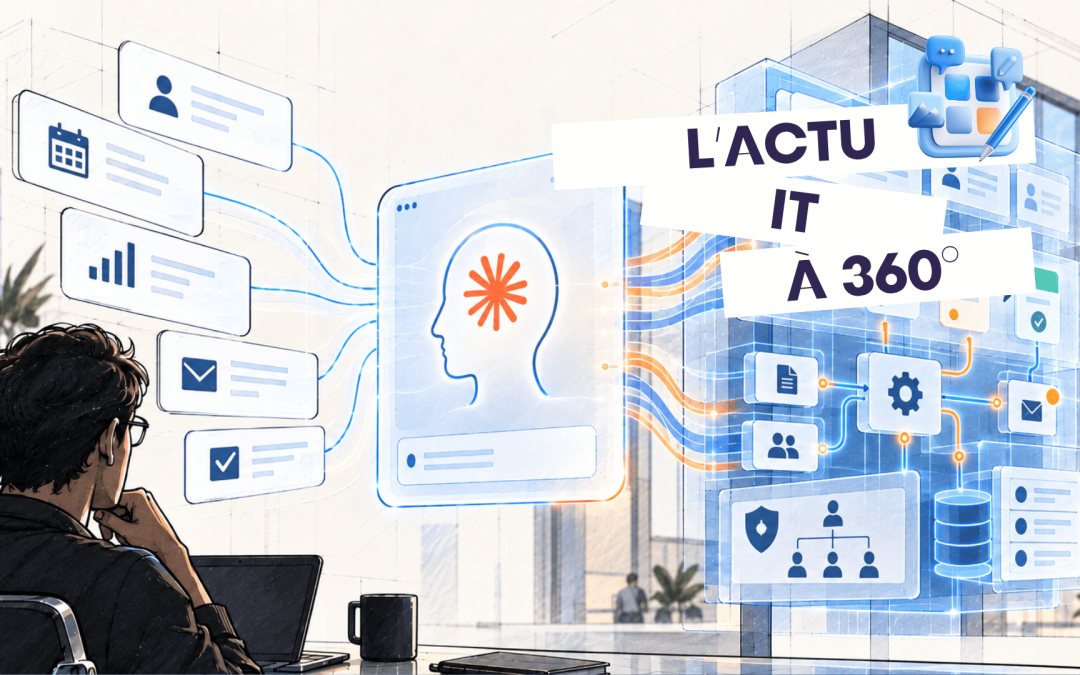
Salesforce plugs Claude into its CRM: Claudeforce prepares for life after the interface
What if the CRM soon no longer needed to be opened? For decades, using a CRM meant navigating between customer records, dashboards, menus and forms. With Claudeforce, Salesforce and Anthropic want to change this logic: rather than forcing users to go into Salesforce...

Kimi K3, Mistral, DeepSeek: Oracle turns OCI into an AI model hub
Oracle wants to make OCI a one-stop shop for AI Oracle is stepping up its efforts in the AI cloud battle by significantly expanding the catalogue of models available in OCI Enterprise AI. On 4 September 2026, the group announced in particular the integration of Kimi...
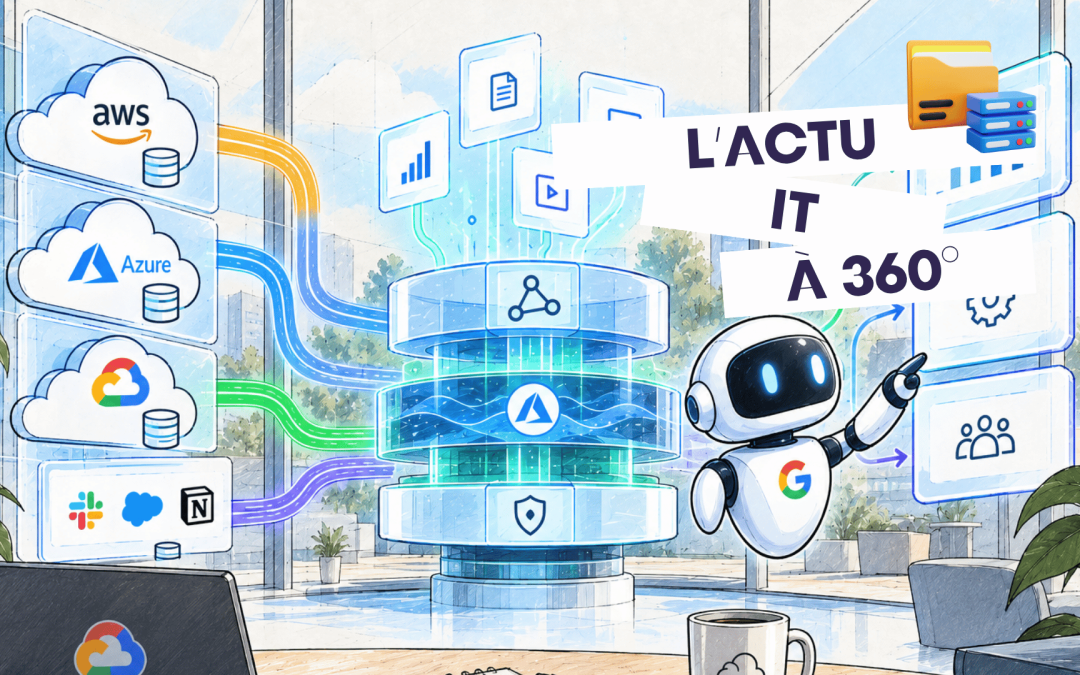
Agentic Data Cloud: Google rethinks data for the age of AI agents
AI agents are forcing Google to rethink data architecture AI agents promise to search for information, make decisions and act directly within company systems, but this autonomy depends on one essential condition: accessing the right data and, above all, understanding...
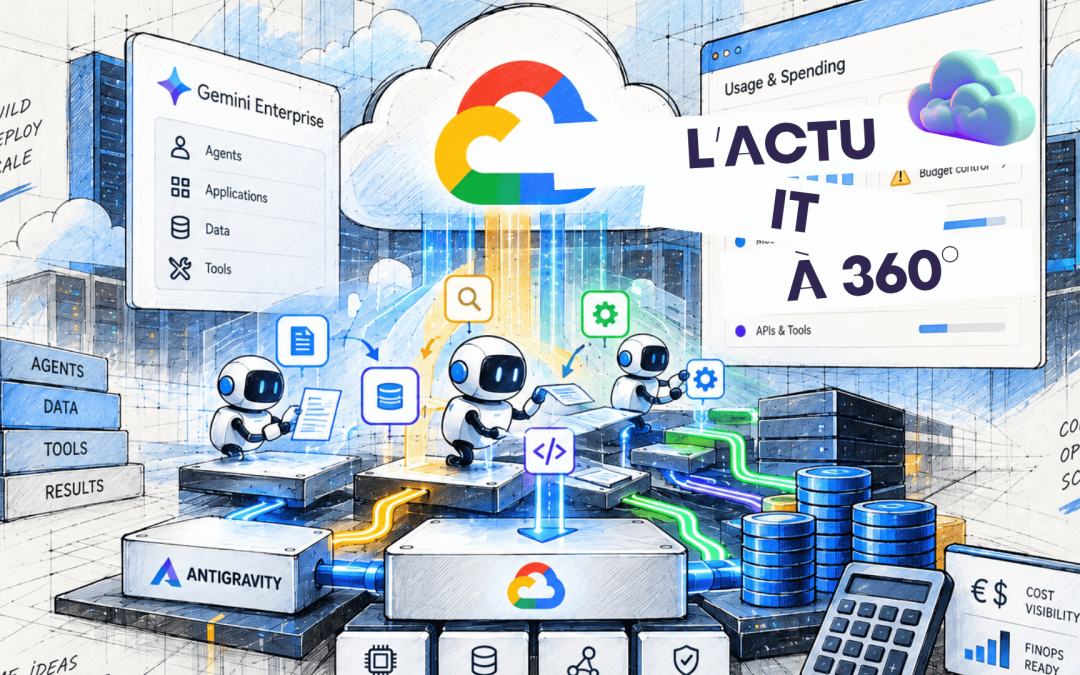
Google Cloud tackles the hidden bill of AI agents
AI agents raise a new problem: how much does a task really cost? As companies move from chatbots to AI agents able to work through multiple steps, the question of cost becomes much more complex. A chatbot generally handles a request and generates an answer, whereas an...
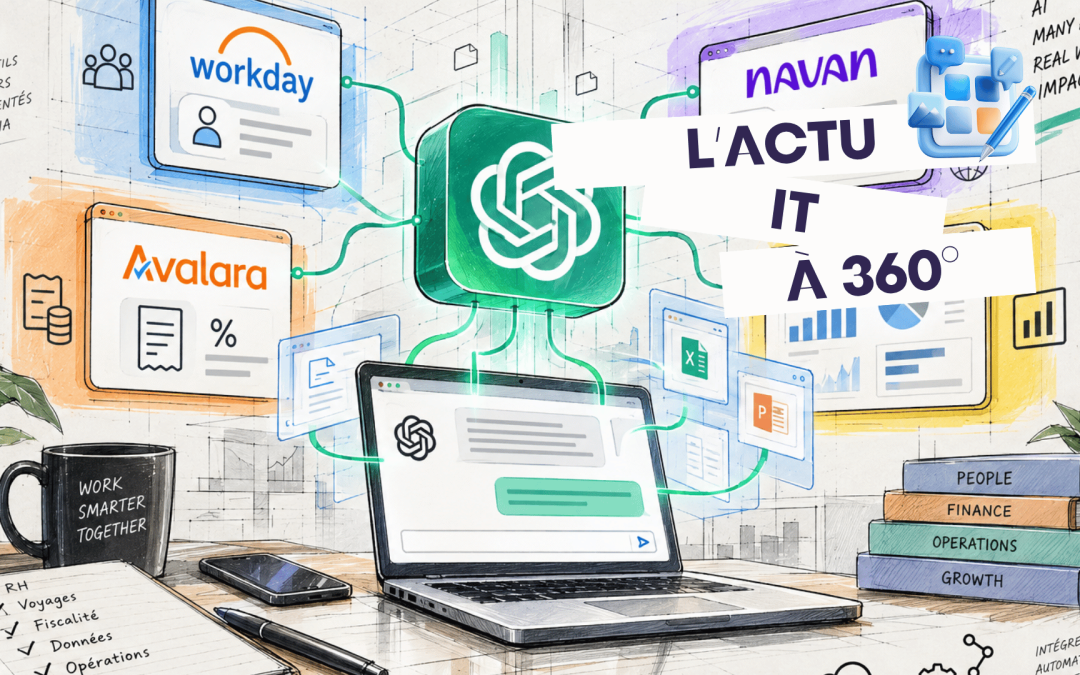
Workday, Navan, Avalara: ChatGPT Work moves into business software
ChatGPT Work is gradually leaving the chat window With GPT-6 Astra, OpenAI is no longer simply trying to improve the quality of ChatGPT’s answers. The company wants to bring its AI closer to the applications in which employees actually work. With the arrival of GPT-6...

From chip to cloud: Groq raises 350 million to scale up
Groq now wants to sell cloud rather than just chips Groq is pursuing a major strategic transformation. Long seen as one of Nvidia’s challengers thanks to its LPUs (Language Processing Units) specialised in artificial intelligence model inference, the group is now...
Muse Code: Meta launches its AI agent to tackle giant codebases
Meta wants to bring AI agents into complex software projects Meta is stepping up its efforts in AI-assisted software development with Muse Code, a new agent designed to work on large codebases, where traditional assistants can quickly lose the context needed to...
Qwen3.8-Max reportedly coded for 16 days without human intervention
Alibaba tests how far an autonomous AI developer can go Alibaba claims to have reached a new milestone in agentic software development with Qwen3.8-Max, its new flagship model launched in early August 2026. In an internal test, the model reportedly worked fully...