


IT outages become a board-level issue
Long regarded as mere technical incidents, service outages are now taking on a whole new dimension. According to a study by Oxford Economics for Splunk, Global 2000 companies suffer an average of 60 downtime incidents a year, at an estimated global cost of $600 billion. These figures illustrate a new reality: digital resilience has become a strategic issue that reaches far beyond the IT department.
A bill reaching record levels
The financial consequences of service outages are considerable. The study estimates that each Global 2000 company loses an average of $300 million a year because of system downtime. Every minute of downtime represents almost €13,000 in losses, or more than €775,000 per hour. The technology and energy sectors are among the most exposed to these risks.
Cyberattacks drive costs even higher
Lost revenue is no longer the only factor to consider. Regulatory fines linked to compliance requirements, notably under the GDPR or the EU’s DORA regulation, average €44 million per major outage. On top of this come ransoms paid during ransomware attacks, estimated at an average of €35 million. These costs are now among the main direct impacts associated with information system downtime.
The impact goes far beyond the technical sphere
The consequences of an outage are not limited to infrastructure. According to the study, almost 90% of executives surveyed report an increase in support requests and a sharp deterioration in customer experience after an incident. More than eight in ten companies say they have had to mobilise their teams on a massive scale to restore services, while 81% report losing customers following a major outage.
A direct threat to company reputation
Reputation is also becoming a critical factor. A major outage can take several months to fully restore the trust of customers and partners. The study also observes an average 3.4% fall in share price after a significant IT incident. At a time when companies are increasingly dependent on digital services, system availability is becoming central to their brand image.
AI helps prevent incidents… but also creates new risks
Faced with this growing number of outages, companies are investing heavily in observability and artificial intelligence. Almost 72% of ITOps and engineering teams now consider end-to-end observability a strategic priority. Annual spending on AI to prevent outages averages $24.5 million. However, this automation also brings new challenges: almost half of the leaders surveyed say they have already experienced outages caused by errors in automated, AI-driven systems.
Digital resilience becomes a competitive advantage
In an environment where services must remain accessible at all times, the ability to prevent, detect and quickly fix incidents is becoming a differentiating factor. Companies that invest in infrastructure monitoring, intelligent automation and resilient architectures are better equipped to limit the financial and reputational impact of outages. Digital resilience is no longer just a question of business continuity; it is becoming a genuine competitive advantage.
Understanding IT resilience is becoming essential
This development highlights a strategic skill: managing infrastructure and digital continuity. Future IT professionals need to master observability, cybersecurity, the cloud and disaster recovery mechanisms. As organisations become dependent on digital services, the ability to keep systems available is becoming as important as their performance.
360° IT News — decoding technology to understand the jobs of tomorrow.
Further reading
The growing number of service outages shows just how critical digital infrastructure has become for businesses. This pressure is pushing technology players to invest heavily in automation, observability and artificial intelligence to prevent incidents before they occur. On a related topic, read our article “Lightwell: IBM and Red Hat tackle the headache of open-source patching”, which examines how AI and automation could speed up the fixing of vulnerabilities and strengthen the resilience of information systems.
References
1. Oxford Economics & Splunk. (2026). The Hidden Cost of Downtime Report.
https://www.splunk.com
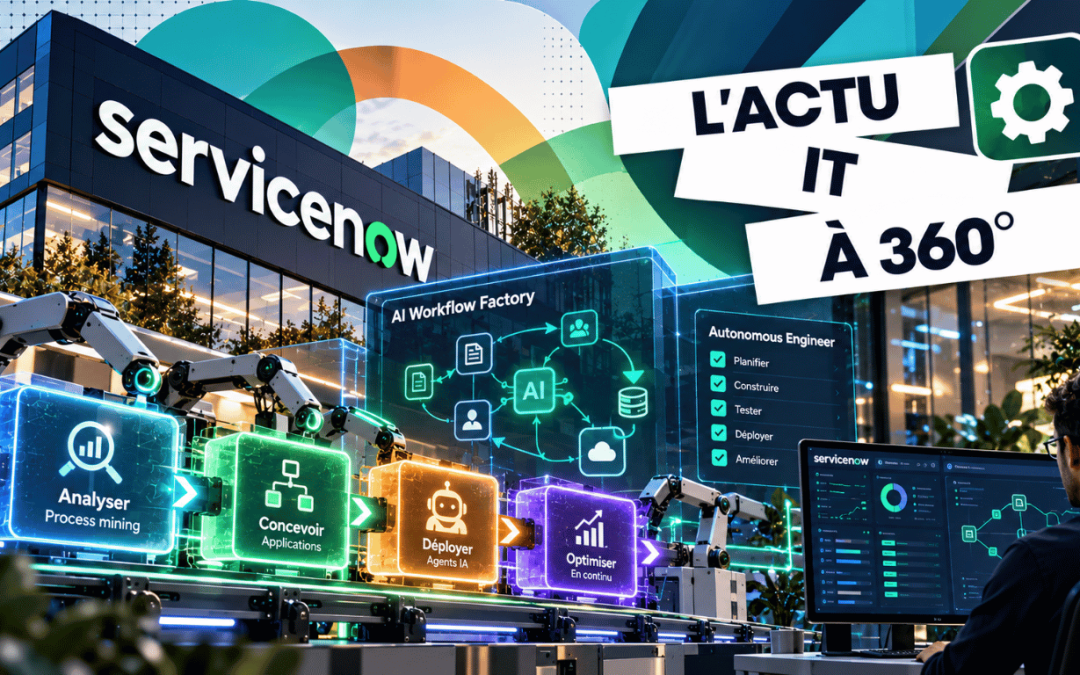
ServiceNow wants to turn process improvement into a continuous AI-driven loop
With AI Workflow Factory, ServiceNow aims to link the identification of inefficient processes with building and running their improvements. The announcement notably includes Autonomous Engineer, a tool designed to automate more of the implementation work.[1] For...

Mistral Large 4: what its trillion-parameter model could change for businesses
Mistral has opened the public preview of Mistral Large 4, nicknamed “Le Chonk”, and plans to release its weights by the end of the month.[1] This European model targets agentic use cases in particular, as well as cybersecurity, finance and industry. For businesses,...
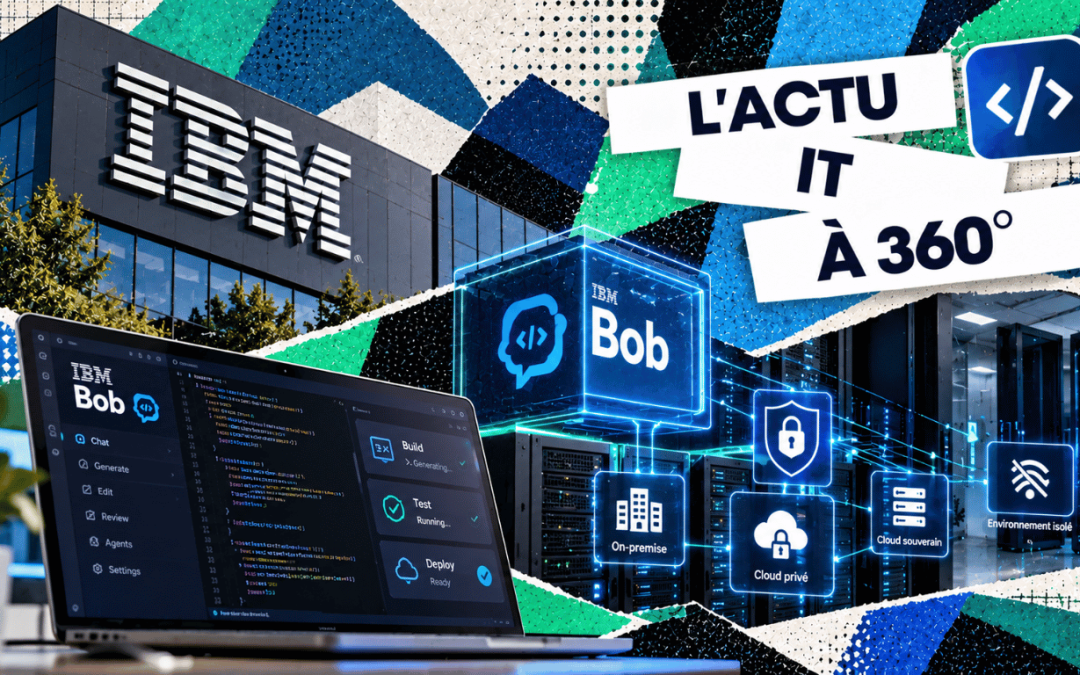
IBM Bob: developing with AI without your code leaving the company
IIBM has announced a self-hosted version of Bob, its agentic development platform, for internal infrastructure, private or sovereign clouds and environments isolated from the internet.[1] This option addresses a concrete obstacle: some applications contain code, data...

HPE is preparing a network that anticipates incidents and automates certain interventions
HPE plans to deploy a Self-Driving Network for the 2027 Ryder Cup, with Wi-Fi 7 and an operations centre bringing together data and AI tools.[1] The stated aim is to monitor usage, adapt the network and move towards autonomous interventions. For businesses, the...
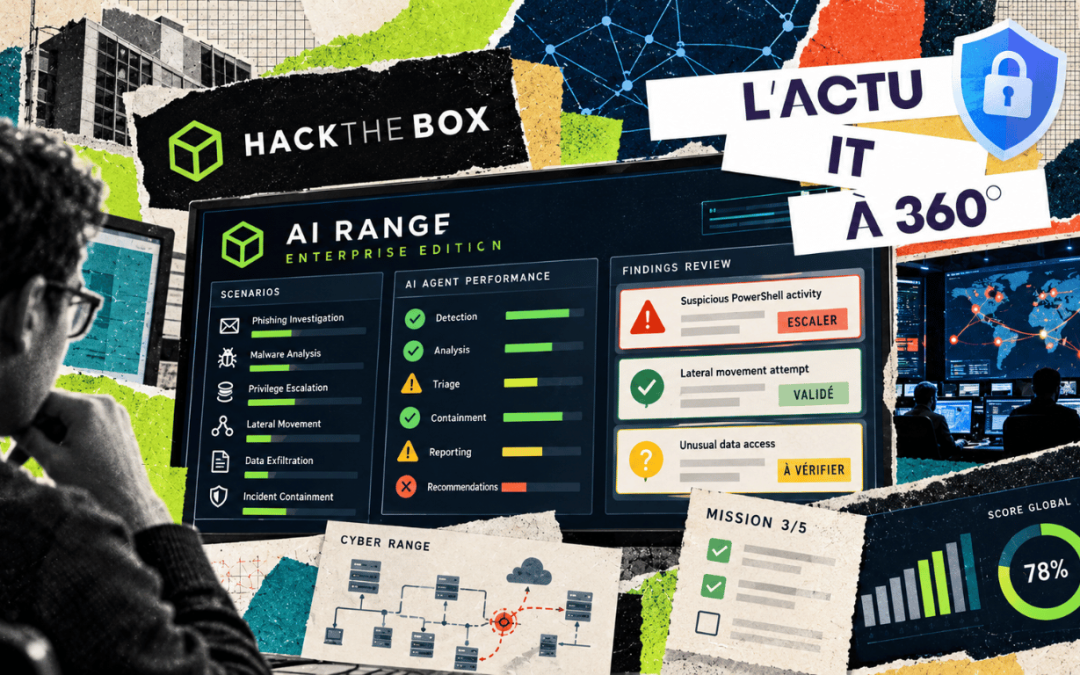
Can your AI agent really defend your company? Hack The Box puts its skills to the test
Hack The Box is launching AI Range Enterprise Edition to let security teams assess their own AI agents on the roles assigned to them.[1] For businesses, the stakes are concrete: having evidence before delegating a task, then checking that this evidence remains valid...
VAST Data wants AI to work with sensitive data in a protected environment
VAST Data has unveiled DataEnclave, a confidential execution capability designed to bring artificial intelligence models closer to companies’ sensitive data. Presented as a preview, it is due to go on sale in the first quarter of 2027.[1] The aim is to make certain...
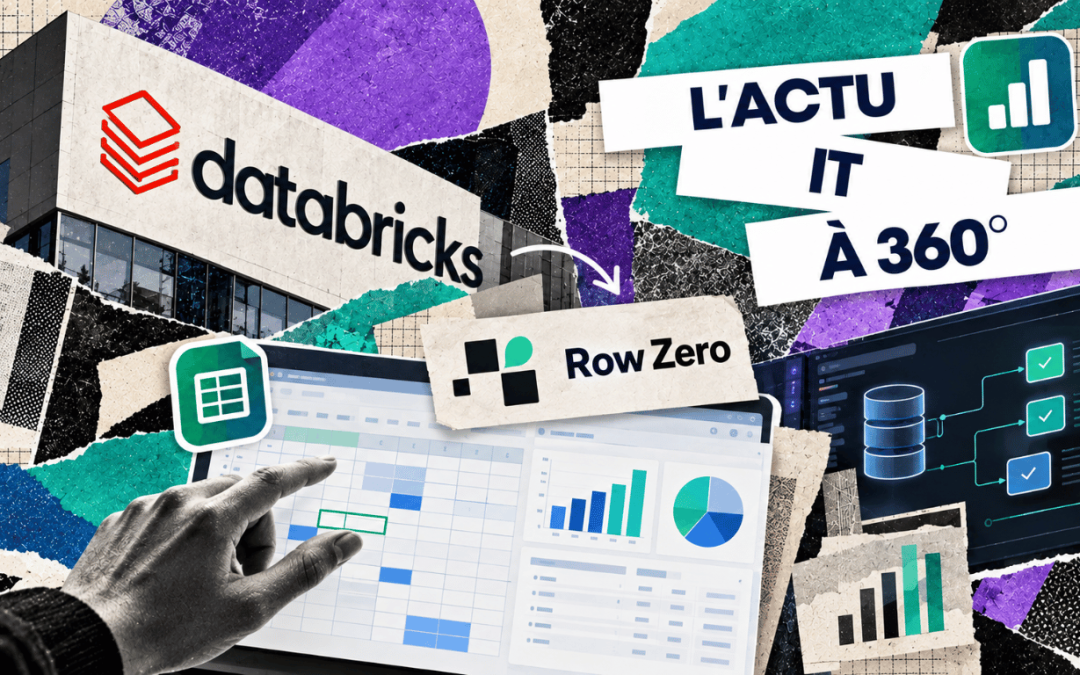
Databricks buys Row Zero to bring spreadsheets closer to governed data
Databricks has announced the acquisition of Row Zero and plans to integrate its spreadsheet experience into Genie.[1] The aim is to let business teams explore data in a familiar interface, with greater control over access and usage. For companies, the challenge is to...
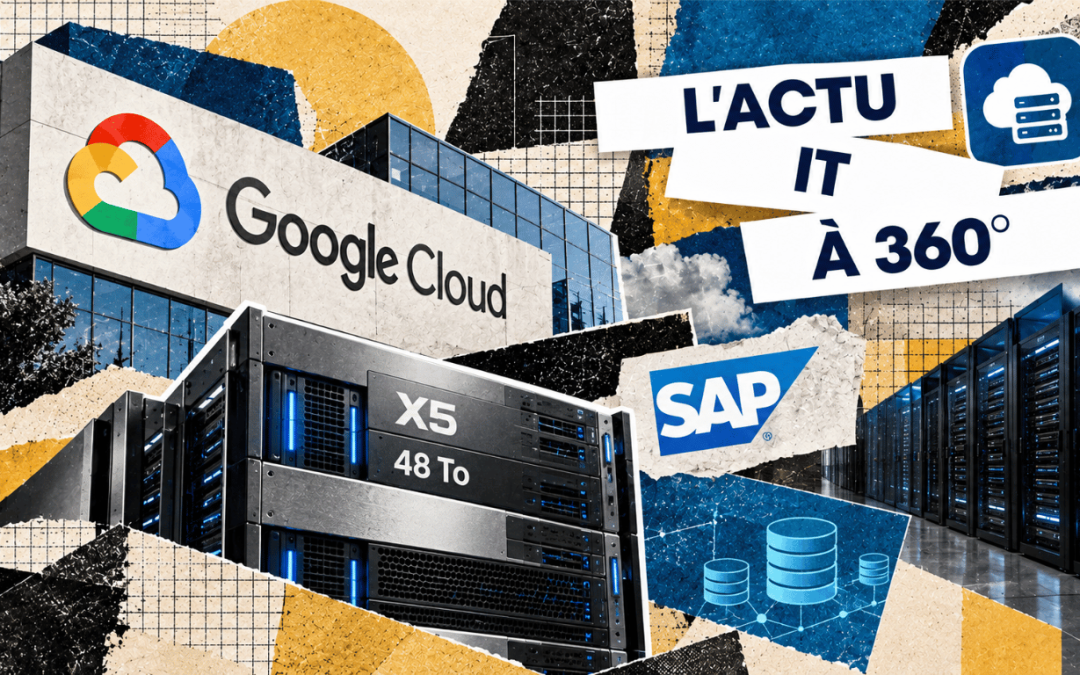
Google Cloud takes its X5 instances to 48 TB for large SAP databases
Google Cloud has announced the general availability of the X5 series, which raises the maximum advertised memory capacity on a single node to 48 TB, compared with 32 TB for X4.[1] Aimed in particular at very large SAP HANA databases, the offering is based on bare...
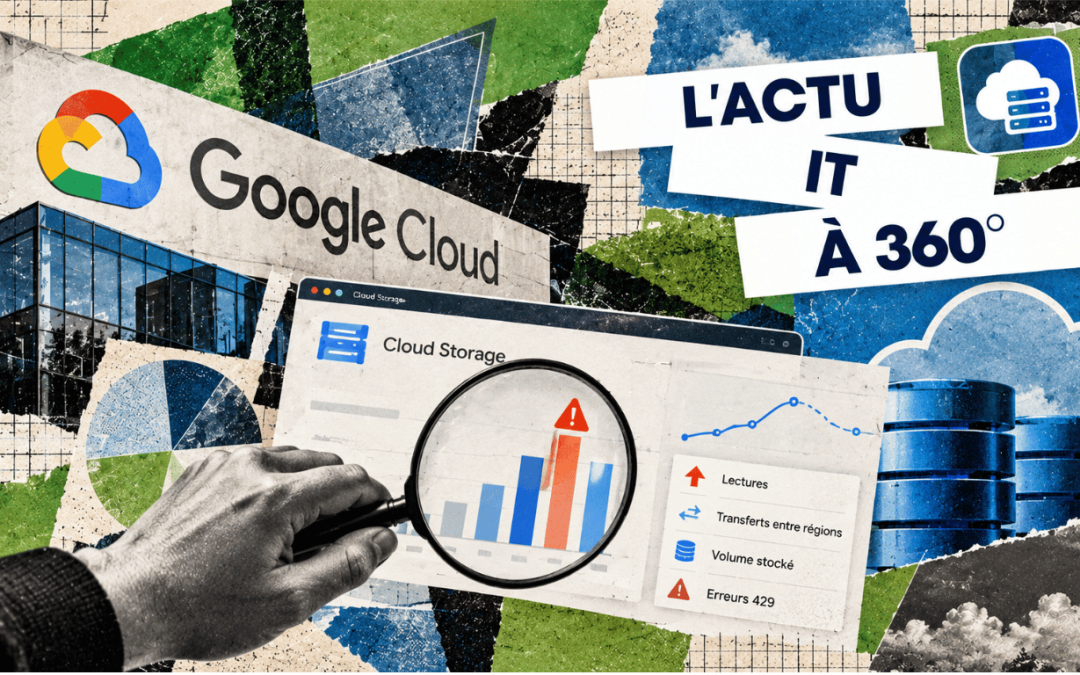
Cloud Storage: Google automates the detection of anomalies
A rise in reads, cross-region transfers or stored volume can inflate the cloud bill and disrupt applications. With Storage Intelligence advisor, Google offers a view of unusual changes in Cloud Storage, along with leads for investigating them. For businesses, the...
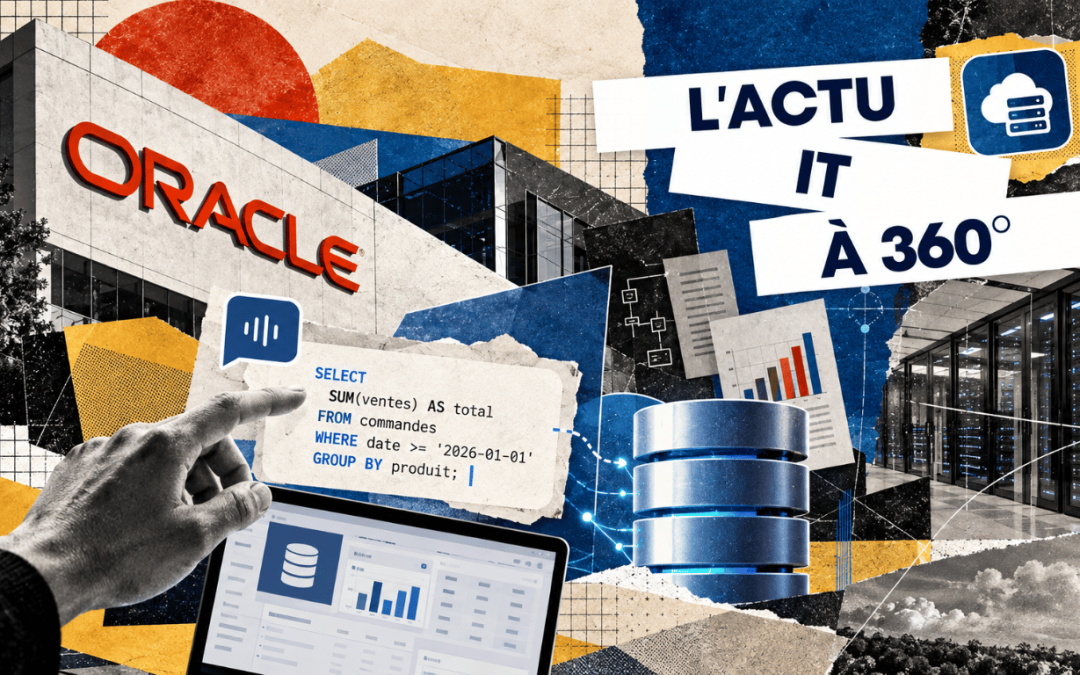
AI voice agents: Oracle details a LiveKit architecture on OCI
Oracle has described an architecture that pairs the LiveKit Agents framework with Oracle Cloud Infrastructure to automate real-time voice calls. The design links telephony, AI models and business services, while placing internal components in private subnets. For...