


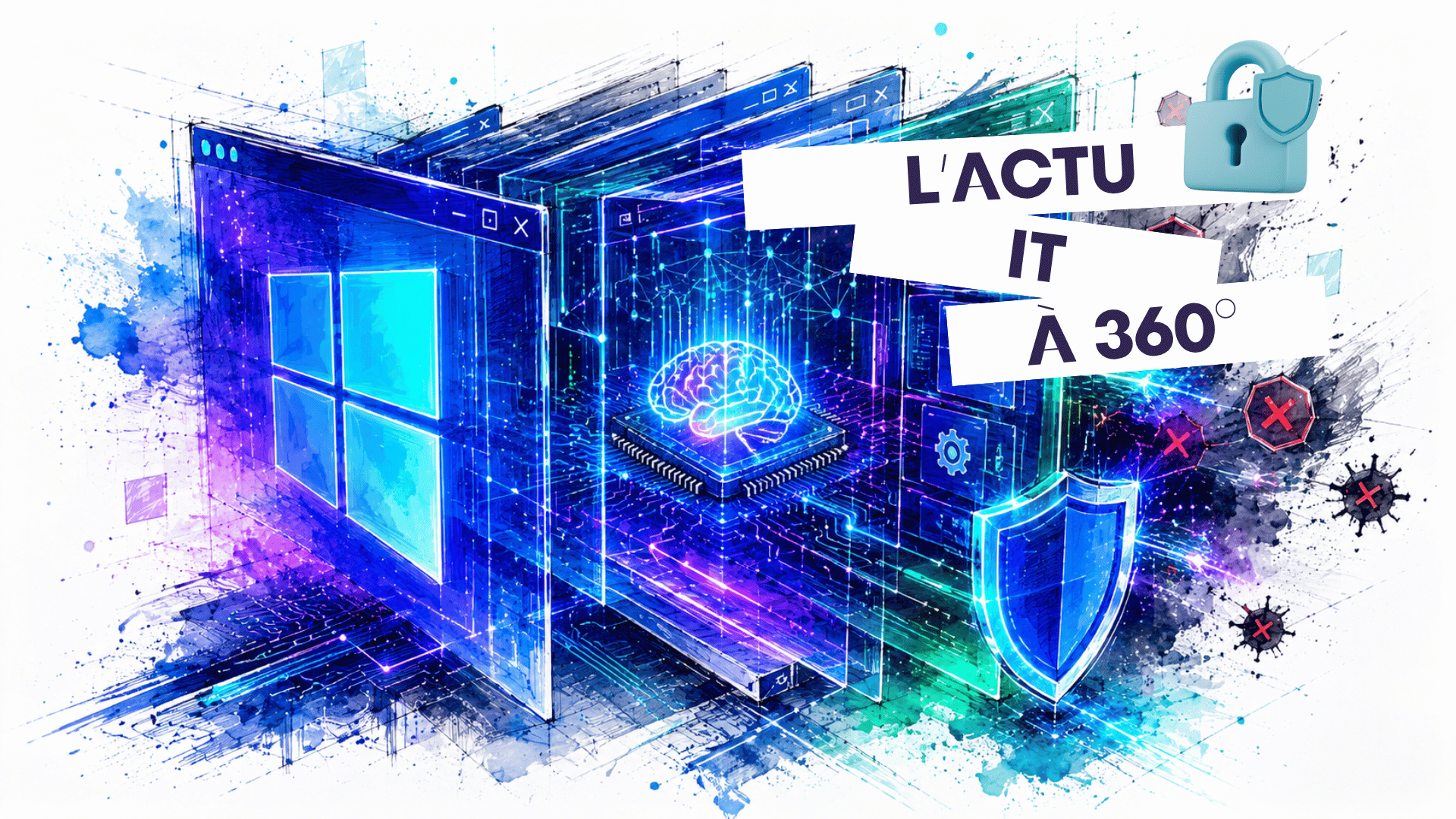
Microsoft hands part of the bug hunt to artificial intelligence
Cyberattacks are evolving ever faster, forcing software vendors to detect vulnerabilities before they can even be exploited. To meet this challenge, Microsoft has unveiled MDASH (Microsoft Detection and Analysis Security Harness), a system based on several artificial intelligence agents capable of analysing Windows code to identify, classify and prioritise potential vulnerabilities. The aim is not to replace cybersecurity experts, but to give them an assistant capable of considerably speeding up the analysis of the millions of lines of code that make up Microsoft’s software.1
AI agents specialised in code analysis
Unlike traditional vulnerability detection tools, MDASH relies on several artificial intelligence models working together. Each agent examines the code from a different angle to identify suspicious behaviour, programming errors or flaws likely to be exploited. The results are then grouped and ranked to highlight the vulnerabilities with the highest level of risk. This approach allows development teams to focus their efforts on the most critical fixes.1
Detecting flaws before they reach users
One of MDASH’s main goals is to step in very early in the software development lifecycle. By identifying vulnerabilities before release, Microsoft reduces the risk of having to publish emergency patches after a flaw is discovered. This strategy also shortens the time between a security defect appearing and its being fixed, a factor that has become essential now that cybercriminals are using artificial intelligence to speed up their own vulnerability research.2
AI assists experts, it does not replace them
Microsoft stresses one important point: MDASH does not make decisions in place of security engineers. The AI agents analyse the code, suggest priorities and highlight the most likely anomalies, but final validation remains in the hands of human experts. This collaboration makes it possible to automate repetitive tasks while retaining the expertise needed to interpret the results, confirm vulnerabilities and define the most appropriate fixes.2
A new approach to secure development
The arrival of tools such as MDASH illustrates a profound change in software development methods. Security checks are no longer carried out only at the end of a project. They are now built in continuously thanks to systems capable of automatically analysing code at every stage of its evolution. This approach improves software quality while reducing the costs of fixing flaws discovered after deployment.3
Cybersecurity now relies on intelligent agents
This development shows why Cybersecurity is becoming an essential skill in modern software development. Professionals now need to understand how artificial intelligence tools that can analyse code, identify vulnerabilities and automate part of security audits actually work. Knowing how to collaborate with these agents while retaining human expertise is becoming essential to designing ever safer software.
Artificial intelligence is also transforming software security
With MDASH, Microsoft shows that artificial intelligence is no longer used solely to create content or automate office tasks. It is also becoming a defensive tool built into the software development lifecycle. As applications grow more complex and threats evolve, AI agents could become indispensable partners for cybersecurity teams, capable of improving software quality before it even reaches users’ hands.
360° IT News — decoding technology to understand the jobs of tomorrow.
Further reading
Artificial intelligence plays a growing role in the defence strategies of major technology companies. On a related topic, read our article “Microsoft accelerates its cybersecurity with AI: defence moves to machine scale”, which explains how Microsoft is using AI to strengthen all of its security operations as part of its Secure Future Initiative.
References
1. Microsoft Security. (2026). Introducing MDASH: AI-assisted vulnerability detection for Windows.
https://www.microsoft.com/security
2. Microsoft Security Response Center. (2026). Secure Development with AI.
https://msrc.microsoft.com
3. Microsoft. (2026). Secure Future Initiative.
https://www.microsoft.com/security/blog

Data centres in space: why Nvidia wants to revolutionise the cloud
News in brief At the GTC 2026 conference, Nvidia announced its intention to accelerate the development of artificial intelligence in space, joining an emerging movement around orbital data centres. The company is no longer content to supply chips for satellites; it is...

Claude Marketplace: what Anthropic’s new platform changes for businesses
News in brief Anthropic has just announced Claude Marketplace, a new platform that allows companies to access, share and use artificial intelligence agents based on its Claude model. The aim is no longer just to offer conversational AI, but to create a genuine...
Automated code review: Anthropic’s Claude now analyses developers’ code
News in brief Artificial intelligence continues to transform developers’ work. Anthropic, the company behind the Claude AI model, has just announced new capabilities that allow its assistant to analyse computer code and help developers with their code review...
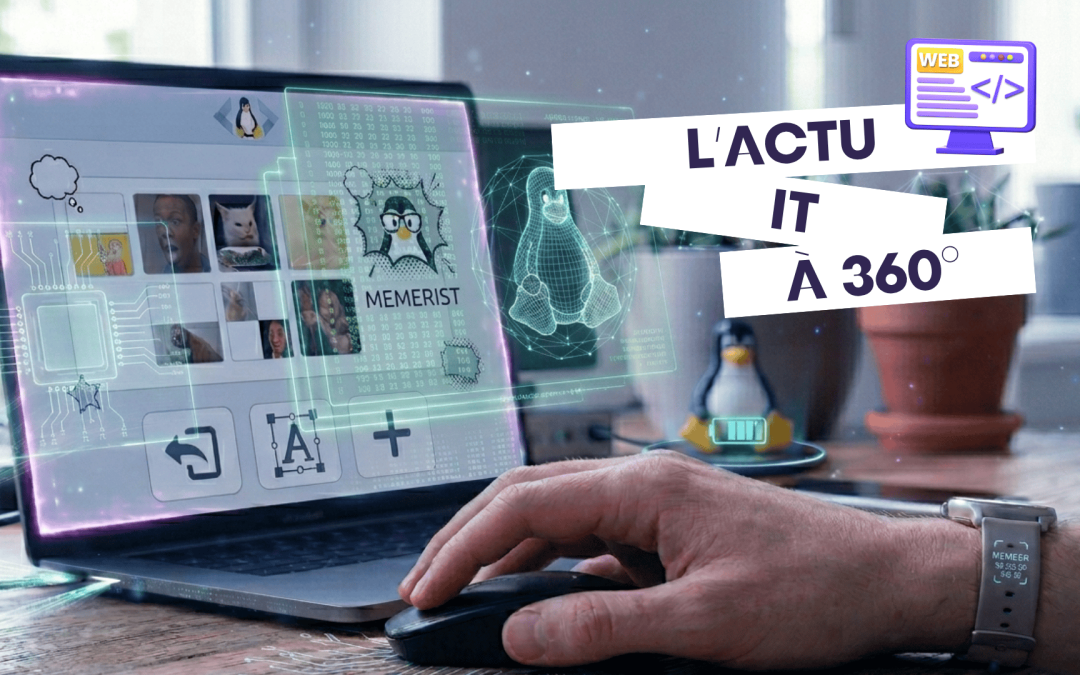
Memerist: the free Linux app for creating memes in seconds
News in brief Creating a meme has become an everyday activity on the internet. Humorous images circulate daily on social networks, forums and messaging apps, often used to comment on the news, share an idea or simply make people laugh. Yet producing a meme quickly is...
Microsoft unveils Microsoft 365 E7: Copilot and AI agents at the heart of its enterprise strategy
News in brief Microsoft recently announced Microsoft 365 E7, a new offering for businesses that places artificial intelligence at the heart of the working environment. This development is part of Microsoft’s overall strategy to transform traditional productivity tools...

Global cyber-espionage: the Salt Typhoon affair shows why cybersecurity is becoming crucial
News in brief A vast cyber-espionage operation called Salt Typhoon has reportedly infiltrated several telecom operators around the world. Hacker groups linked to China are believed to be behind these attacks, which can access sensitive communication infrastructure....
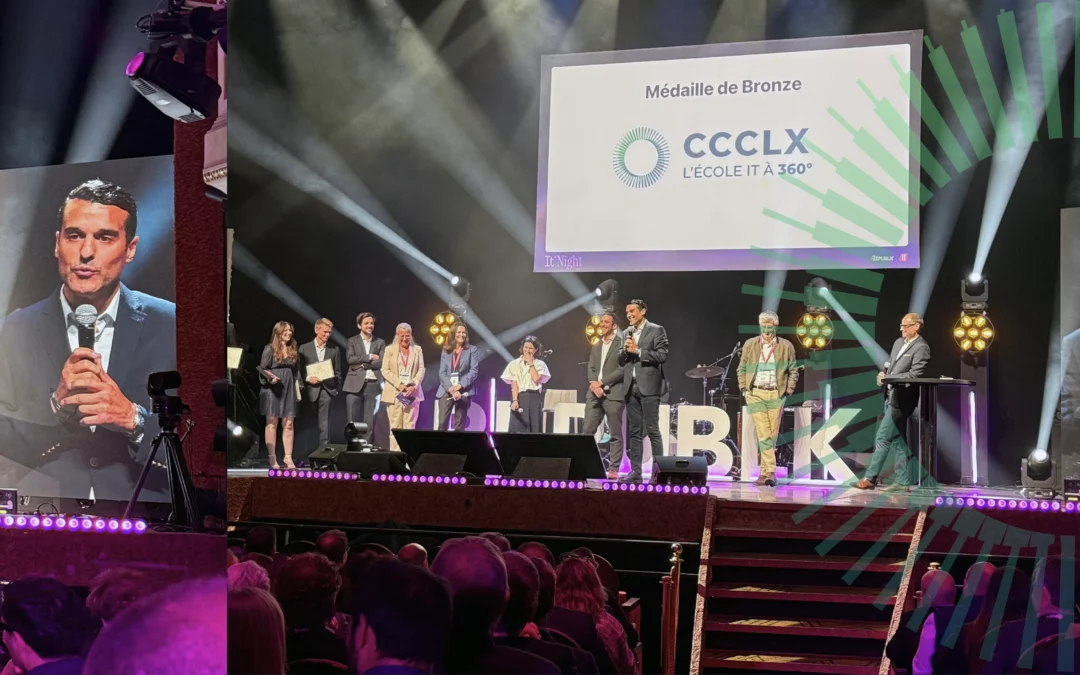
CCCLX wins Bronze Trophy at IT Night 2025!
CCCLX, the 360° IT school, was honored at IT Night 2025 - La Nuit de l'Entreprise Numérique, winning the Bronze Trophy in the Schools / Training category. A fine accolade in the context of this emblematic event for the French digital ecosystem, organized annually...

A revolution in higher education financing by aivancity/CCCLX and Umanity
A concrete solution to democratize access to education for the professions of tomorrow This scheme, the only one of its kind in France, complements a series of measures put in place by aivancity to promote diversity and equitable access to its programs (tuition-free...
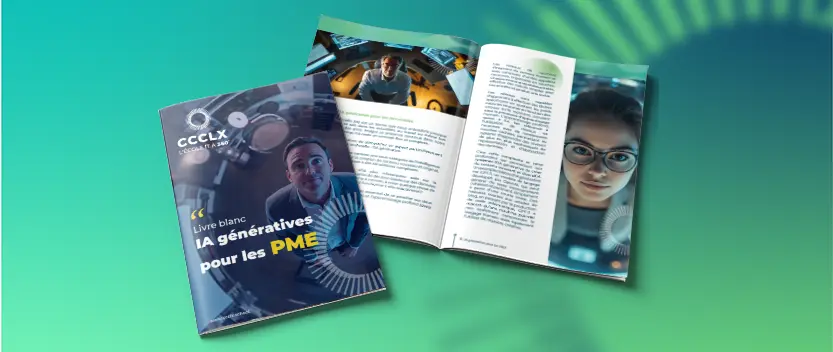
White paper: How generative AI is transforming SMEs
White paper: How generative AI is transforming SMEs In a world where technological innovation is redefining the rules of the game, small and medium-sized businesses have never had so much to gain... or lose. Against this ever-changing backdrop, CCCLX unveils its new...
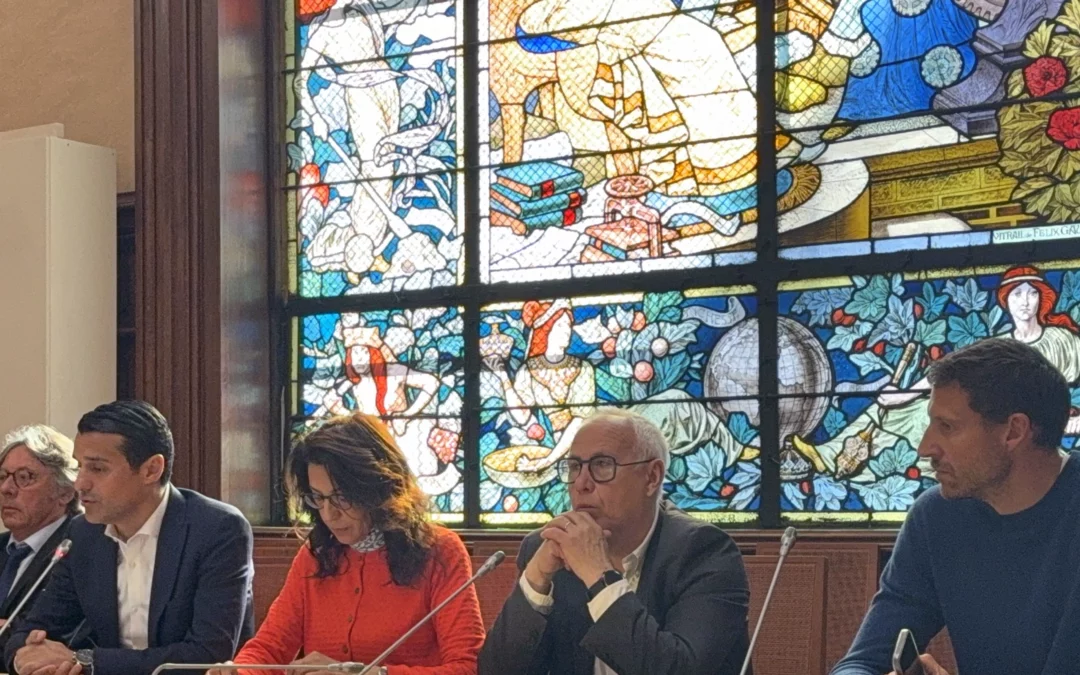
CCCLX: A new IT school dedicated to SMEs and startups is born
On April 28, 2025, CCCLX was officially unveiled at the CCI Paris during a press conference packed with symbols and commitments. The launch was attended by a number of leading personalities: Soumia Malimbum, President of CCI Paris, Alain Martinez, President of CPME...