


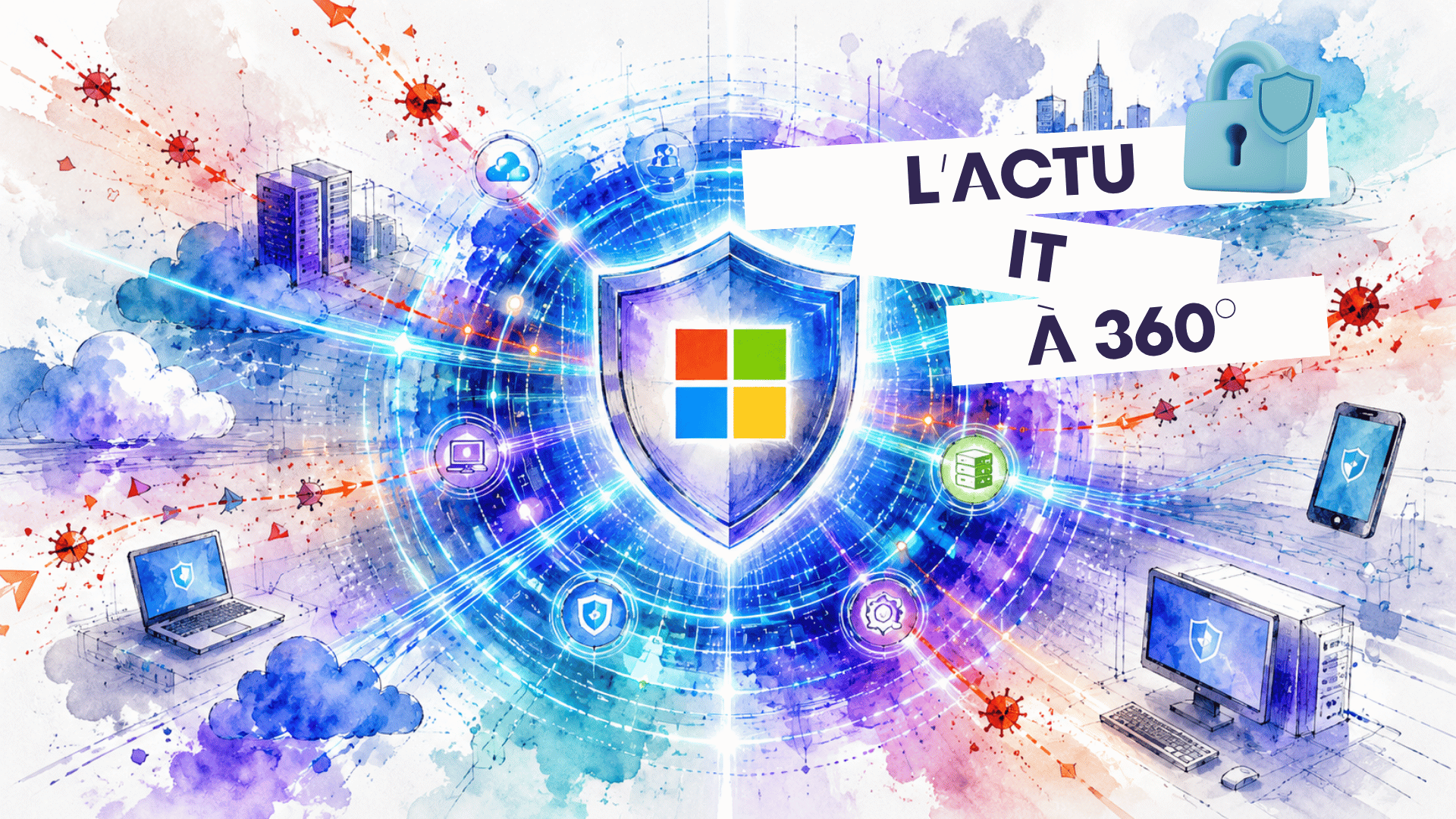
Microsoft wants to regain the upper hand against cyberattacks
Cybercriminals are now using artificial intelligence to discover vulnerabilities, automate their attacks and speed up their malicious campaigns. In response, Microsoft is pressing ahead with its Secure Future Initiative (SFI), a wide-ranging programme launched to strengthen the security of its products, infrastructure and cloud services. In its progress report published on 10 July 2026, the company explains that AI is now becoming a central pillar of its defence strategy, able to help security teams detect, prioritise and remediate threats at a speed comparable to that of attackers.1
Cybersecurity built in by design
With the Secure Future Initiative, Microsoft is no longer content to add protections after software has been developed. The company is seeking to build security into its platforms from the design stage. This approach rests on several priorities: strengthening digital identities, protecting cloud environments, securing critical infrastructure and making automated security checks the norm. The aim is to reduce the time needed to identify a flaw and deploy fixes before it is exploited.1
Artificial intelligence becomes a co-pilot for SOC teams
The report also stresses that security operations centres (SOCs) must now rely on artificial intelligence to cope with the explosion in alert volumes. AI models can analyse millions of events, identify suspicious behaviour, prioritise the most critical incidents and help analysts respond more quickly. Microsoft believes this automation is becoming indispensable to counter attacks that now operate at machine scale.2
Attackers are using AI too
One of the report’s key findings is that artificial intelligence now benefits attackers as much as defenders. Cybercriminals are exploiting advanced models to speed up vulnerability research, produce malicious code or improve their phishing campaigns. This development considerably shortens the time between the discovery of a flaw and its exploitation. For Microsoft, businesses must therefore adopt the same technologies in order to keep their ability to respond to these new threats.2
A strategy that goes beyond Microsoft products alone
The Secure Future Initiative is not just about Windows or Azure. Microsoft wants to extend this approach across its entire ecosystem by strengthening the security of identities, cloud services, workstations, business applications and artificial intelligence tools. This move confirms that cybersecurity is becoming a shared responsibility that involves infrastructure as much as software, users and development processes.3
Cybersecurity evolves in the age of artificial intelligence
This development shows why Cybersecurity is becoming an essential skill. Professionals must no longer simply understand traditional attack techniques. They must also know how to harness artificial intelligence to analyse threats, automate incident detection and strengthen the protection of information systems. Mastering these new tools is becoming essential to protect digital infrastructure effectively.
The race between attackers and defenders is accelerating
With its new report on the Secure Future Initiative, Microsoft confirms that artificial intelligence is profoundly redefining the balance of power in cybersecurity. Organisations able to integrate these technologies into their defence operations will have a decisive advantage against ever faster and more sophisticated cyberattacks. The future of IT security will depend as much on the quality of the algorithms as on that of the infrastructure they protect.
360° IT News — decoding technology to understand the jobs of tomorrow.
Further reading
Using artificial intelligence to strengthen security operations is becoming an underlying trend in the industry. On a related topic, read our article “IBM and OpenAI want to arm businesses against machine-speed cyberattacks”, which shows how AI models are now built directly into cybersecurity workflows to speed up the detection and remediation of vulnerabilities.
References
1. Microsoft. (2026). Secure Future Initiative Progress Report – July 2026.
https://www.microsoft.com/security
2. Microsoft Security. (2026). Secure by Design, Secure by Default, Secure Operations.
https://www.microsoft.com/security
3. Microsoft. (2026). Secure Future Initiative.
https://www.microsoft.com/security/blog

Data centres in space: why Nvidia wants to revolutionise the cloud
News in brief At the GTC 2026 conference, Nvidia announced its intention to accelerate the development of artificial intelligence in space, joining an emerging movement around orbital data centres. The company is no longer content to supply chips for satellites; it is...

Claude Marketplace: what Anthropic’s new platform changes for businesses
News in brief Anthropic has just announced Claude Marketplace, a new platform that allows companies to access, share and use artificial intelligence agents based on its Claude model. The aim is no longer just to offer conversational AI, but to create a genuine...
Automated code review: Anthropic’s Claude now analyses developers’ code
News in brief Artificial intelligence continues to transform developers’ work. Anthropic, the company behind the Claude AI model, has just announced new capabilities that allow its assistant to analyse computer code and help developers with their code review...
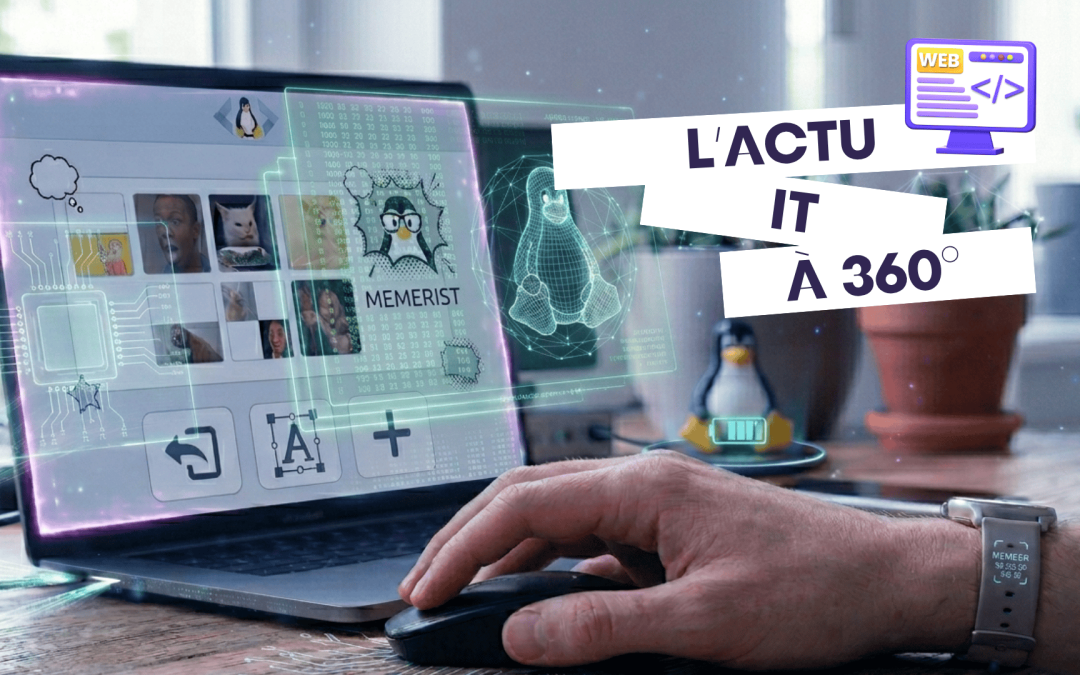
Memerist: the free Linux app for creating memes in seconds
News in brief Creating a meme has become an everyday activity on the internet. Humorous images circulate daily on social networks, forums and messaging apps, often used to comment on the news, share an idea or simply make people laugh. Yet producing a meme quickly is...
Microsoft unveils Microsoft 365 E7: Copilot and AI agents at the heart of its enterprise strategy
News in brief Microsoft recently announced Microsoft 365 E7, a new offering for businesses that places artificial intelligence at the heart of the working environment. This development is part of Microsoft’s overall strategy to transform traditional productivity tools...

Global cyber-espionage: the Salt Typhoon affair shows why cybersecurity is becoming crucial
News in brief A vast cyber-espionage operation called Salt Typhoon has reportedly infiltrated several telecom operators around the world. Hacker groups linked to China are believed to be behind these attacks, which can access sensitive communication infrastructure....

CCCLX wins Bronze Trophy at IT Night 2025!
CCCLX, the 360° IT school, was honored at IT Night 2025 - La Nuit de l'Entreprise Numérique, winning the Bronze Trophy in the Schools / Training category. A fine accolade in the context of this emblematic event for the French digital ecosystem, organized annually...

A revolution in higher education financing by aivancity/CCCLX and Umanity
A concrete solution to democratize access to education for the professions of tomorrow This scheme, the only one of its kind in France, complements a series of measures put in place by aivancity to promote diversity and equitable access to its programs (tuition-free...
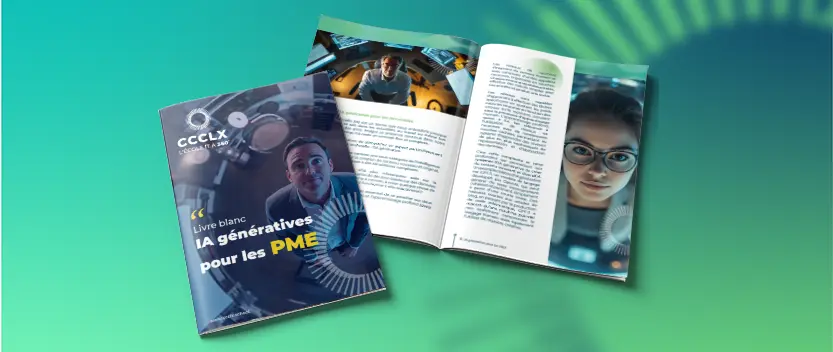
White paper: How generative AI is transforming SMEs
White paper: How generative AI is transforming SMEs In a world where technological innovation is redefining the rules of the game, small and medium-sized businesses have never had so much to gain... or lose. Against this ever-changing backdrop, CCCLX unveils its new...
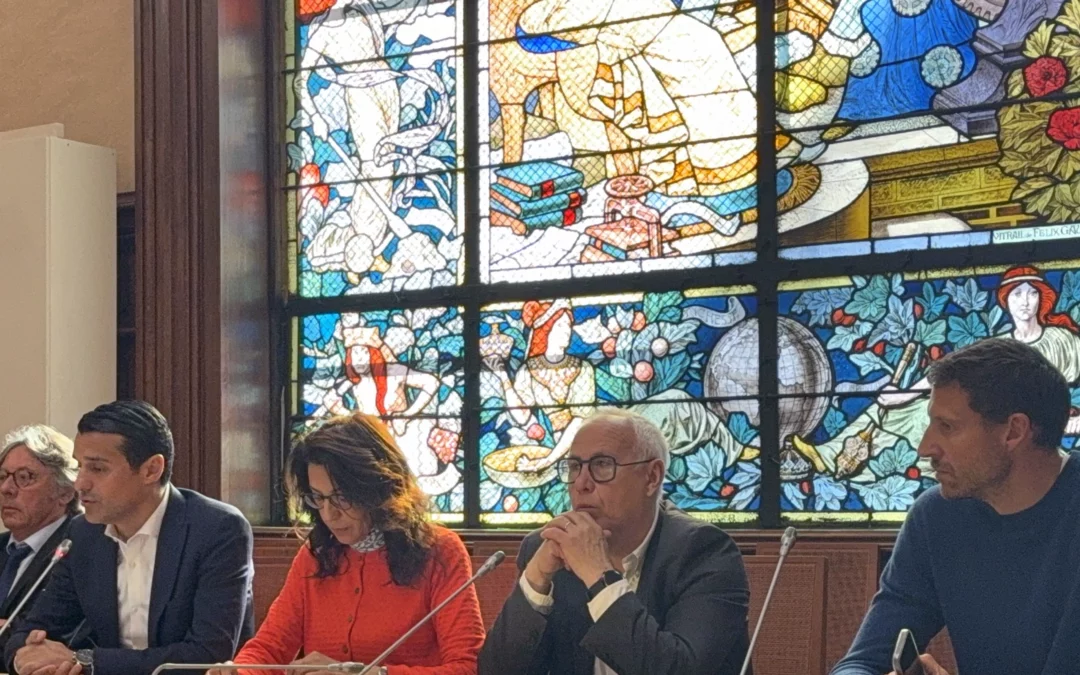
CCCLX: A new IT school dedicated to SMEs and startups is born
On April 28, 2025, CCCLX was officially unveiled at the CCI Paris during a press conference packed with symbols and commitments. The launch was attended by a number of leading personalities: Soumia Malimbum, President of CCI Paris, Alain Martinez, President of CPME...