


Artificial intelligence is putting new strain on infrastructure
Artificial intelligence is often associated with graphics processors and massive computing centres. Yet another essential component of digital infrastructure is coming under unprecedented pressure: storage. According to the latest market analyses, the explosion of agentic AI and inference workloads is causing a shortage of enterprise SSDs, leading to a dramatic rise in prices. In just a few months, contract prices have risen by around 80%, revealing a new challenge for companies engaged in digital transformation.
Storage becomes the new fuel of AI
For several years, attention focused mainly on the computing power needed to train artificial intelligence models. Today, the market is changing. Companies are now deploying AI agents, intelligent assistants and applications capable of interacting in real time with users and databases. This inference phase requires fast, constant access to huge volumes of data, making SSDs a strategic resource for modern infrastructure.
Demand outstripping production capacity
According to TrendForce, the enterprise SSD market recorded quarter-on-quarter growth of more than 86% in the first quarter of 20261. This exceptional growth is driven mainly by cloud service providers, which are stepping up investment to meet growing demand for artificial intelligence capacity. Faced with this influx of orders, production capacity is struggling to keep up. Manufacturers’ inventories are at historically low levels, fuelling strong pressure on prices.
Memory giants are reaping the benefits
This situation directly benefits the main players in the memory market. Samsung retains its dominant position with more than $7 billion in quarterly revenue, while SK hynix, Solidigm, Micron, Kioxia and SanDisk are also seeing strong growth in their businesses1. To meet demand, several manufacturers are redirecting their production capacity towards high-density enterprise SSDs, sometimes at the expense of other segments such as smartphones or consumer computers.
Agentic AI is changing data centre architecture
The rise of agentic AI is profoundly transforming digital infrastructure. Models need fast access to vast datasets, must retain context histories and interact with multiple systems. This considerably increases the need for fast storage. Whereas GPUs had until now been seen as the main limiting factor, SSDs are now becoming an equally critical element in ensuring the performance of AI platforms.
Companies are discovering a new hidden cost
For many organisations, the rise in SSD prices is an indirect cost of adopting artificial intelligence. The investment required no longer concerns only models, software licences or computing capacity. Storage infrastructure must also be sized to absorb growing volumes of data and guarantee response times compatible with modern AI use cases. This reality could weigh on IT budgets in the coming years.
Storage becomes a strategic issue
As intelligent systems become widespread, storage availability is becoming a competitive factor. Companies able to secure their supplies and optimise their infrastructure will have a significant advantage over their competitors. This development is reminiscent of the race for GPUs seen in recent years, but it now concerns a less visible yet essential component of the digital ecosystem.
Understanding data infrastructure is becoming indispensable
This transformation highlights a strategic skill: managing storage and data infrastructure. Future IT professionals will need to understand high-performance storage mechanisms, cloud architectures and the specific needs of artificial intelligence applications. In a world where data feeds models, mastering storage is becoming as important as mastering compute.
Infrastructure becomes AI’s next challenge
With this surge in enterprise SSD prices, the industry is discovering that the AI revolution does not rest on algorithms alone. Physical infrastructure, long taken for granted, is in turn becoming a strategic resource. For students and future IT professionals, this development reveals a profound change: the success of artificial intelligence projects will depend as much on the quality of the infrastructure as on the performance of the models themselves.
360° IT News — decoding technology to understand the jobs of tomorrow.
Further reading
Soaring SSD prices show that the rise of artificial intelligence depends not only on models but also on infrastructure capable of storing and processing ever-growing volumes of data. This pressure is felt across the entire technology chain, from data centres to specialised hardware components. On a related topic, read our article “ Data centre boom: Legrand goes on the offensive in China and the UK ”, which examines how manufacturers are preparing for the rapid growth of the infrastructure needed for AI.
References
1. TrendForce. (2026). Enterprise SSD Market Analysis Q1 2026.
https://www.trendforce.com
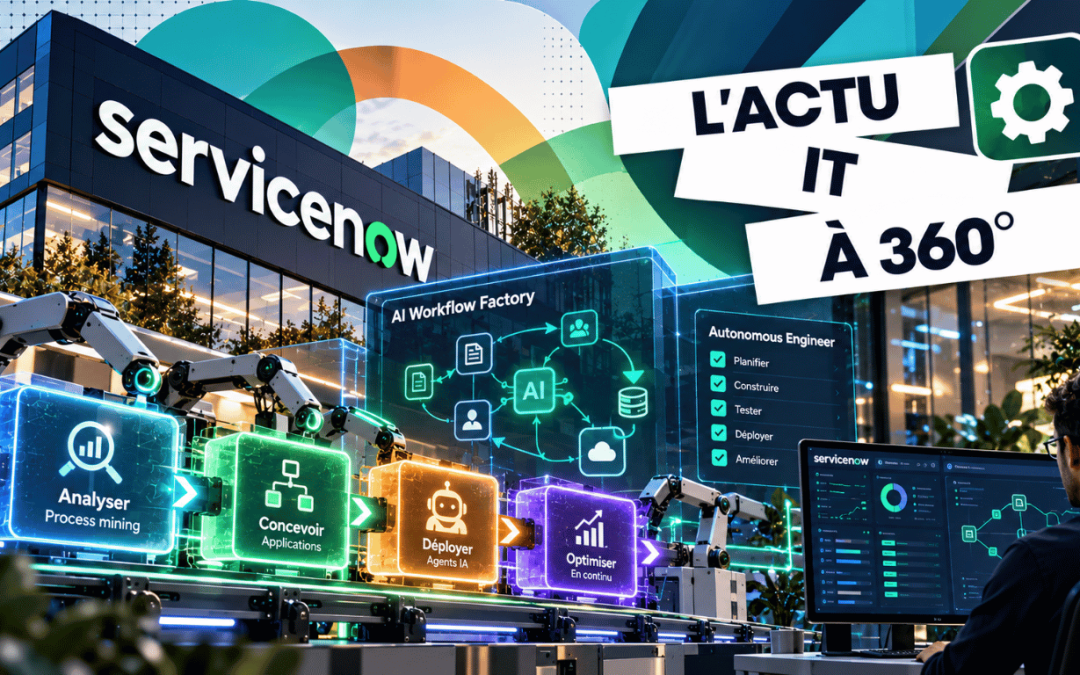
ServiceNow wants to turn process improvement into a continuous AI-driven loop
With AI Workflow Factory, ServiceNow aims to link the identification of inefficient processes with building and running their improvements. The announcement notably includes Autonomous Engineer, a tool designed to automate more of the implementation work.[1] For...

Mistral Large 4: what its trillion-parameter model could change for businesses
Mistral has opened the public preview of Mistral Large 4, nicknamed “Le Chonk”, and plans to release its weights by the end of the month.[1] This European model targets agentic use cases in particular, as well as cybersecurity, finance and industry. For businesses,...
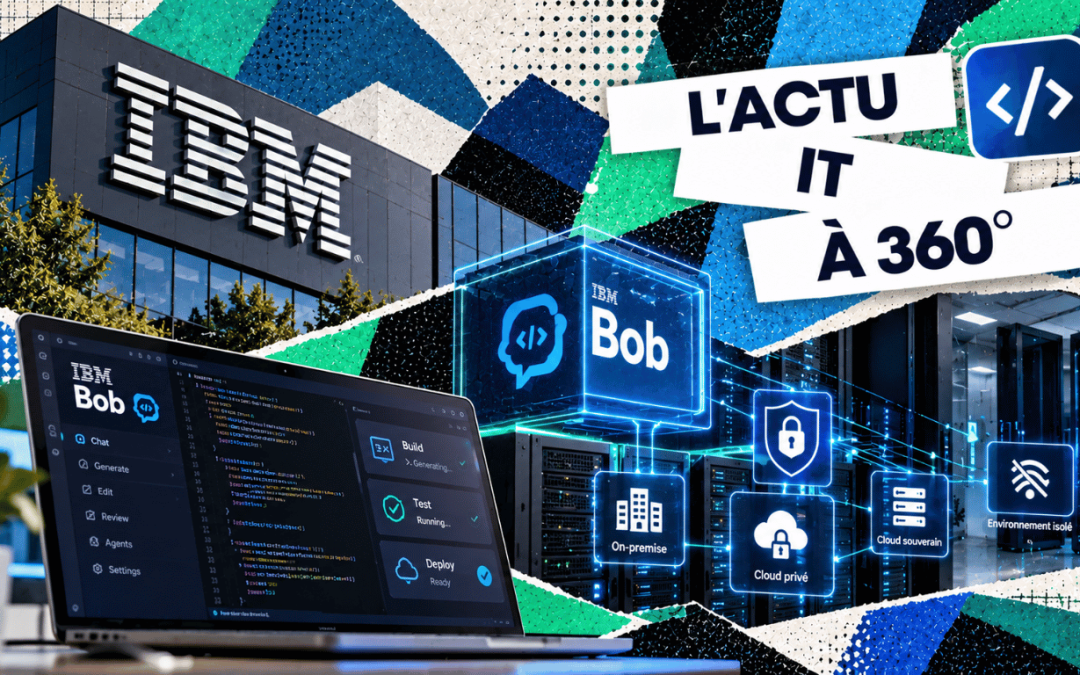
IBM Bob: developing with AI without your code leaving the company
IIBM has announced a self-hosted version of Bob, its agentic development platform, for internal infrastructure, private or sovereign clouds and environments isolated from the internet.[1] This option addresses a concrete obstacle: some applications contain code, data...

HPE is preparing a network that anticipates incidents and automates certain interventions
HPE plans to deploy a Self-Driving Network for the 2027 Ryder Cup, with Wi-Fi 7 and an operations centre bringing together data and AI tools.[1] The stated aim is to monitor usage, adapt the network and move towards autonomous interventions. For businesses, the...
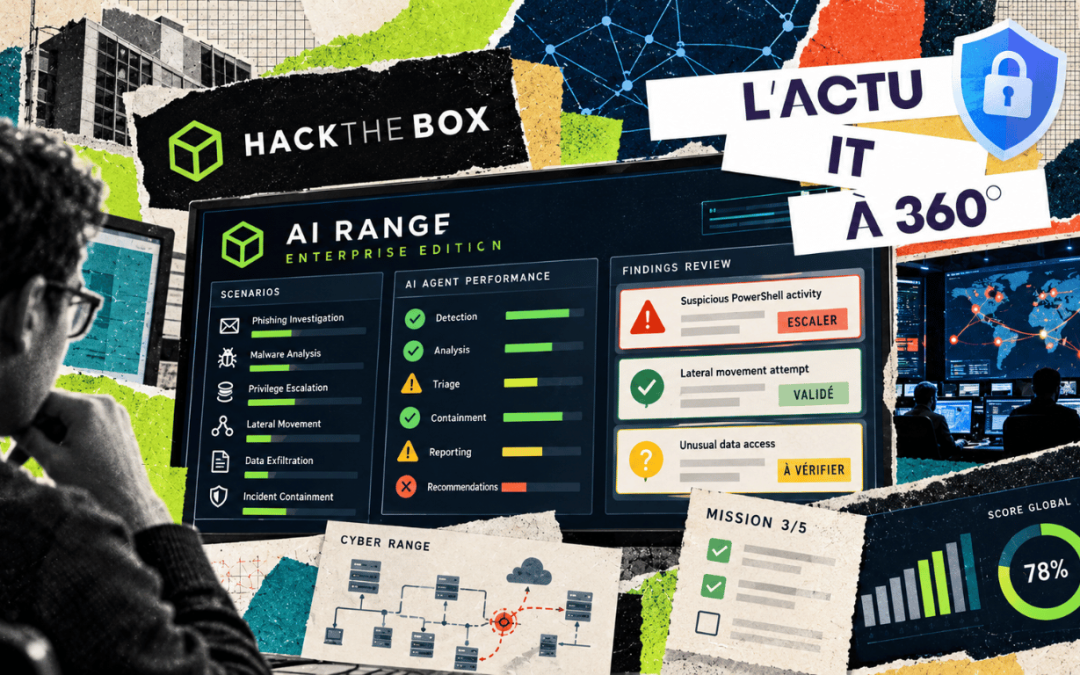
Can your AI agent really defend your company? Hack The Box puts its skills to the test
Hack The Box is launching AI Range Enterprise Edition to let security teams assess their own AI agents on the roles assigned to them.[1] For businesses, the stakes are concrete: having evidence before delegating a task, then checking that this evidence remains valid...
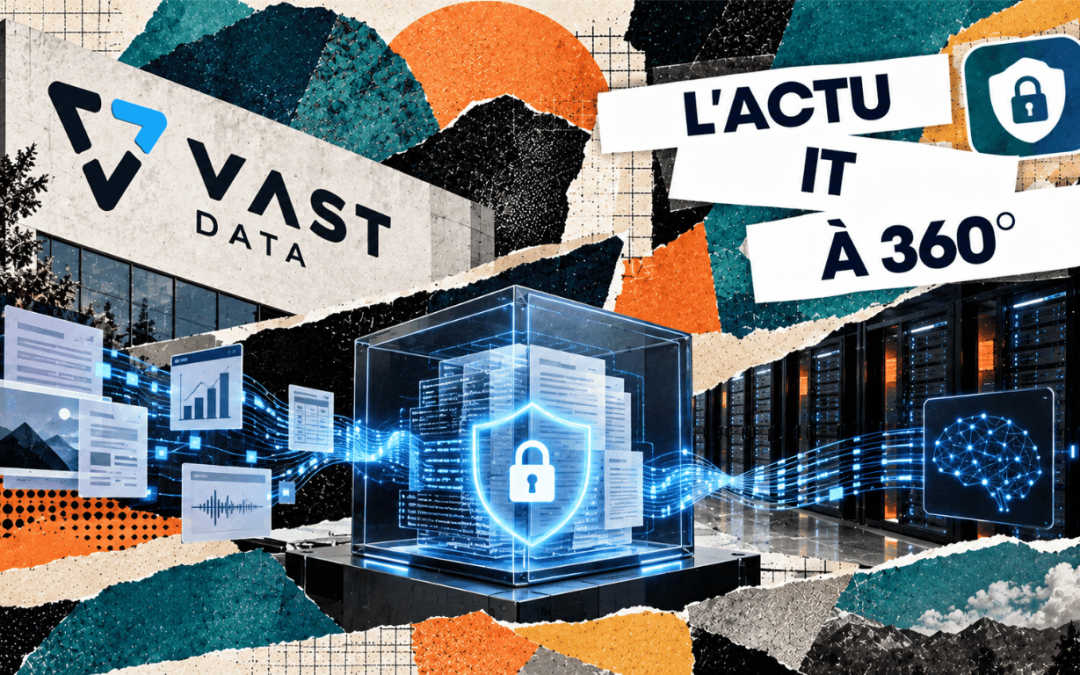
VAST Data wants AI to work with sensitive data in a protected environment
VAST Data has unveiled DataEnclave, a confidential execution capability designed to bring artificial intelligence models closer to companies’ sensitive data. Presented as a preview, it is due to go on sale in the first quarter of 2027.[1] The aim is to make certain...
Databricks buys Row Zero to bring spreadsheets closer to governed data
Databricks has announced the acquisition of Row Zero and plans to integrate its spreadsheet experience into Genie.[1] The aim is to let business teams explore data in a familiar interface, with greater control over access and usage. For companies, the challenge is to...
Google Cloud takes its X5 instances to 48 TB for large SAP databases
Google Cloud has announced the general availability of the X5 series, which raises the maximum advertised memory capacity on a single node to 48 TB, compared with 32 TB for X4.[1] Aimed in particular at very large SAP HANA databases, the offering is based on bare...
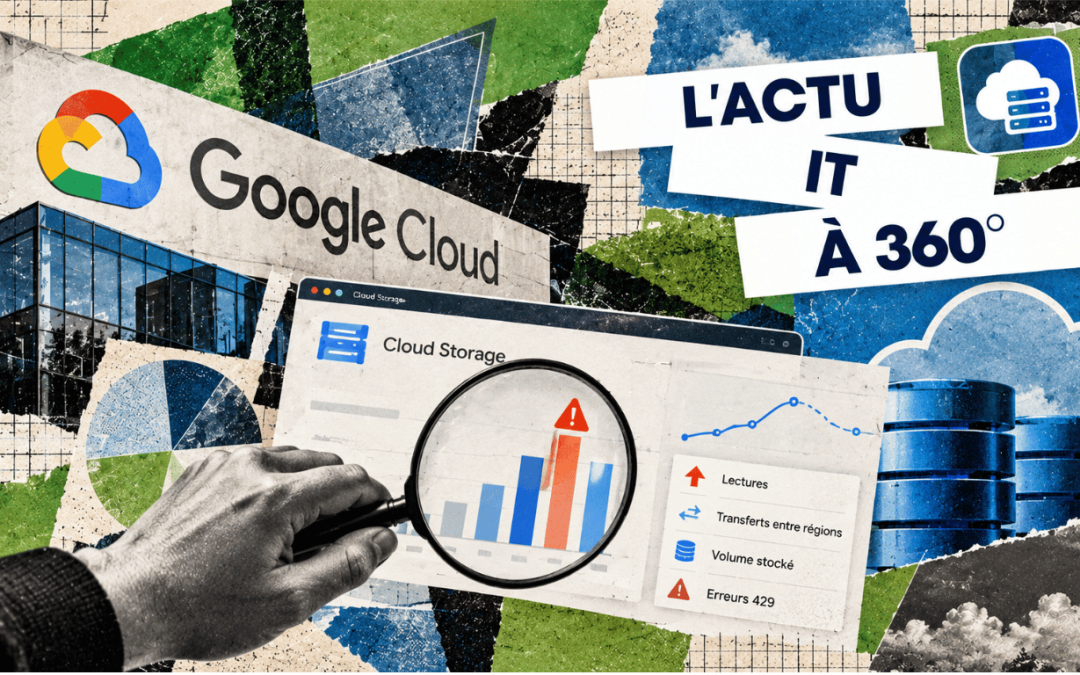
Cloud Storage: Google automates the detection of anomalies
A rise in reads, cross-region transfers or stored volume can inflate the cloud bill and disrupt applications. With Storage Intelligence advisor, Google offers a view of unusual changes in Cloud Storage, along with leads for investigating them. For businesses, the...
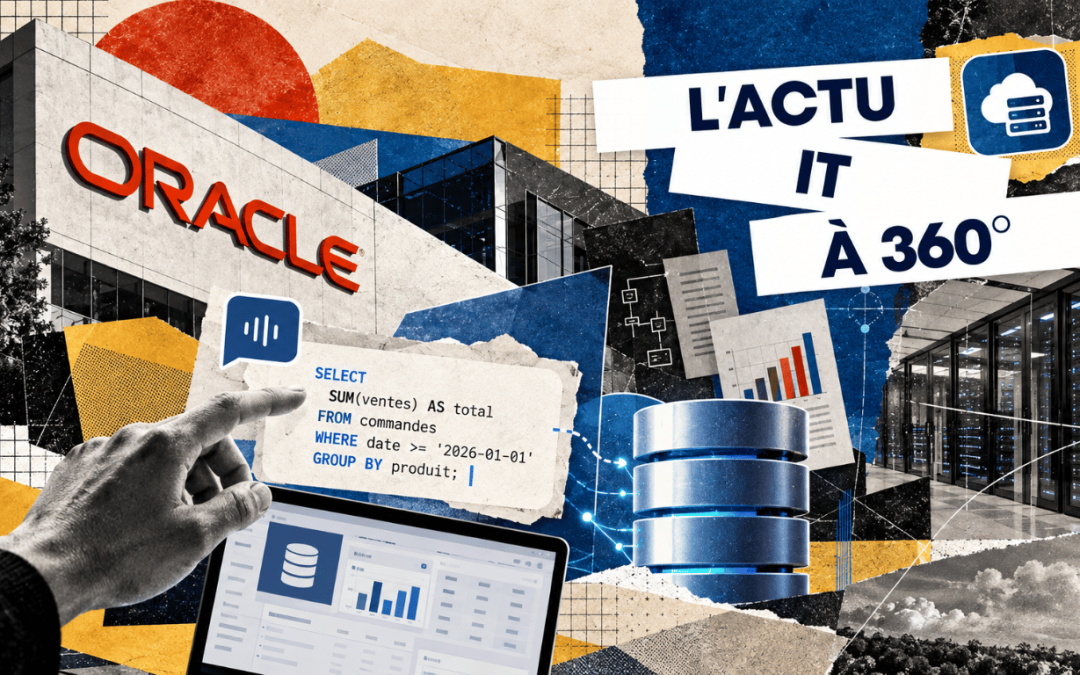
AI voice agents: Oracle details a LiveKit architecture on OCI
Oracle has described an architecture that pairs the LiveKit Agents framework with Oracle Cloud Infrastructure to automate real-time voice calls. The design links telephony, AI models and business services, while placing internal components in private subnets. For...