


A sharp acceleration in IT investment
Worldwide IT spending is expected to reach 6.31 trillion dollars in 2026, a rise of 13.5% year on year, according to Gartner’s latest forecast1. This figure marks a clear acceleration compared with previous estimates (+10.8%), proof that businesses are investing in their digital infrastructure faster than expected. After already solid growth of 10.5% in 2025, 2026 confirms an underlying trend: IT is no longer a support function, but a strategic lever for transformation and competitiveness.
AI becomes the main driver of growth
Behind this surge in spending, one factor clearly dominates: artificial intelligence. Investment in AI-related infrastructure, particularly data centres and computing capacity, is pulling the whole market upwards. Gartner points out that AI workloads require massive resources, which is boosting demand for processors, accelerators and advanced memory technologies. This dynamic is creating a two-speed market, in which AI-related segments far outperform other IT categories.
Data centres boom at the heart of the new digital economy
The most spectacular segment remains data centre infrastructure, with growth expected to reach 55.8% in 2026, to almost 788 billion dollars1. This increase illustrates the scale of the computing power needed to support AI, the cloud and data. Hyperscalers are investing massively to meet this demand, creating a knock-on effect across the entire IT ecosystem. Data centres are thus becoming the critical foundation of the digital economy, on a par with electricity or networks.
Software and services: growth fuelled by AI
Other segments are not lagging behind. IT services remain the largest spending item at 1.87 trillion dollars (+9%), while software reaches 1.444 trillion dollars, with growth of 15.1%1. This increase is largely driven by generative AI and automation tools, which are transforming how businesses work. Contrary to fears of a SaaS slowdown, software continues to grow strongly, proof that businesses are investing in solutions to improve their productivity and competitiveness.
A widening gap between IT segments
This growth is not uniform, however. Some segments, such as devices (PCs, smartphones), are growing more slowly, with an increase limited to 8.2%, held back by inflation and component costs1. This divergence reflects a transformation of the IT market: investment is now concentrated on critical infrastructure and high-value technologies such as AI and the cloud. Businesses are reallocating their budgets to favour the most strategic areas.
SMEs face a new IT reality
For SMEs, this development is both an opportunity and a challenge. On the one hand, increased investment in the cloud and infrastructure provides access to advanced technologies without heavy in-house investment. On the other, it requires IT priorities to be rethought and adaptation to an increasingly complex environment. Businesses must strike a balance between modernisation, security and cost control, at a time when IT is becoming a key competitive factor.
Investing in IT becomes a strategic choice, not a technical one
This development highlights a key skill: IT project management. Professionals must be able to steer investments, understand technology priorities and align IT choices with business objectives. It is no longer just about managing tools, but about building a coherent digital strategy capable of supporting the company’s growth.
A lasting transformation of the digital economy
The 13.5% rise in IT spending in 2026 is not a one-off phenomenon, but the sign of a lasting transformation. Artificial intelligence, the cloud and data are redefining the priorities of businesses, which are investing heavily to stay competitive. For students and future IT professionals, this development is essential to understand. It shows that digital jobs will be at the heart of corporate strategies, in a world where technology is becoming an engine of growth.
360° IT News — decoding technology to understand the jobs of tomorrow.
References
1. Gartner. (2026). IT Spending Forecast Worldwide.
https://www.gartner.com
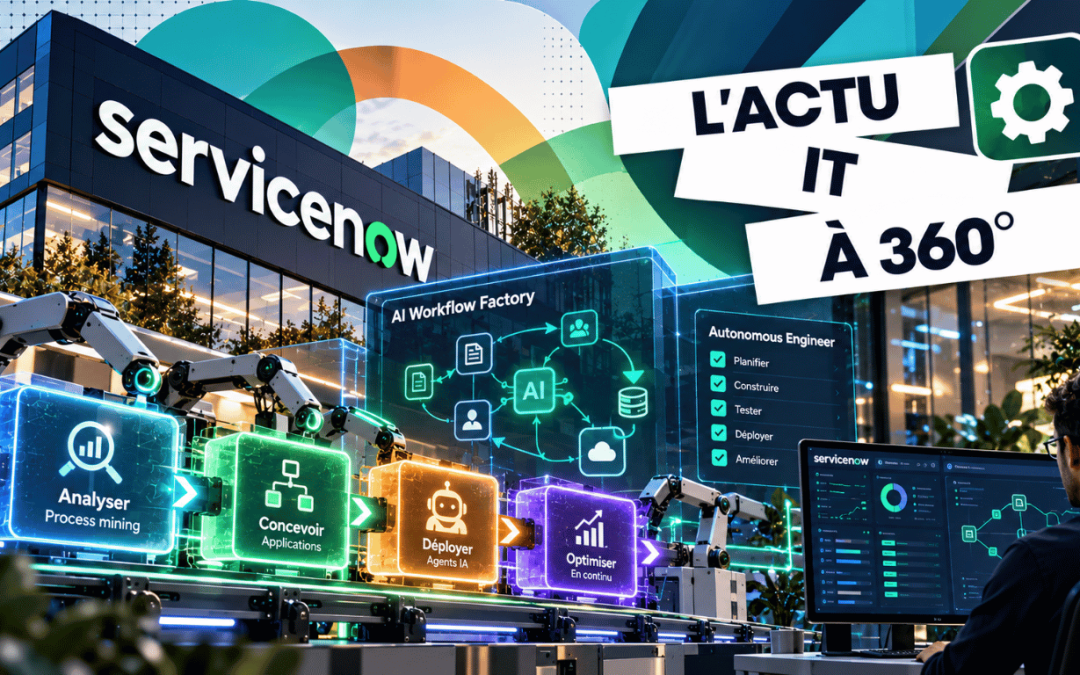
ServiceNow wants to turn process improvement into a continuous AI-driven loop
With AI Workflow Factory, ServiceNow aims to link the identification of inefficient processes with building and running their improvements. The announcement notably includes Autonomous Engineer, a tool designed to automate more of the implementation work.[1] For...

Mistral Large 4: what its trillion-parameter model could change for businesses
Mistral has opened the public preview of Mistral Large 4, nicknamed “Le Chonk”, and plans to release its weights by the end of the month.[1] This European model targets agentic use cases in particular, as well as cybersecurity, finance and industry. For businesses,...
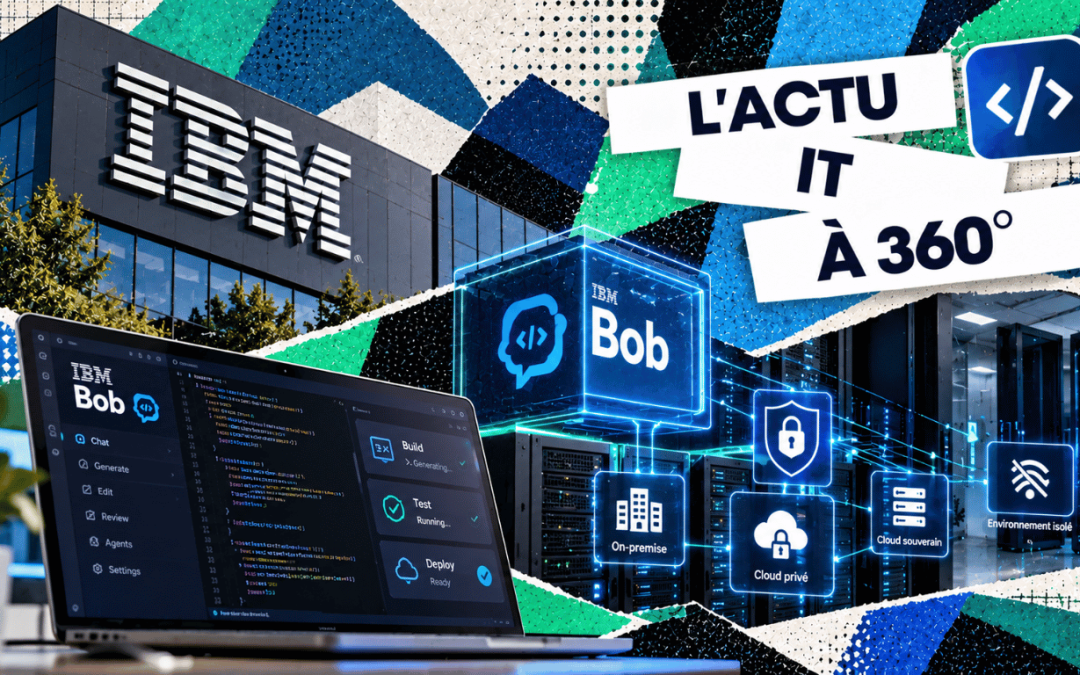
IBM Bob: developing with AI without your code leaving the company
IIBM has announced a self-hosted version of Bob, its agentic development platform, for internal infrastructure, private or sovereign clouds and environments isolated from the internet.[1] This option addresses a concrete obstacle: some applications contain code, data...

HPE is preparing a network that anticipates incidents and automates certain interventions
HPE plans to deploy a Self-Driving Network for the 2027 Ryder Cup, with Wi-Fi 7 and an operations centre bringing together data and AI tools.[1] The stated aim is to monitor usage, adapt the network and move towards autonomous interventions. For businesses, the...
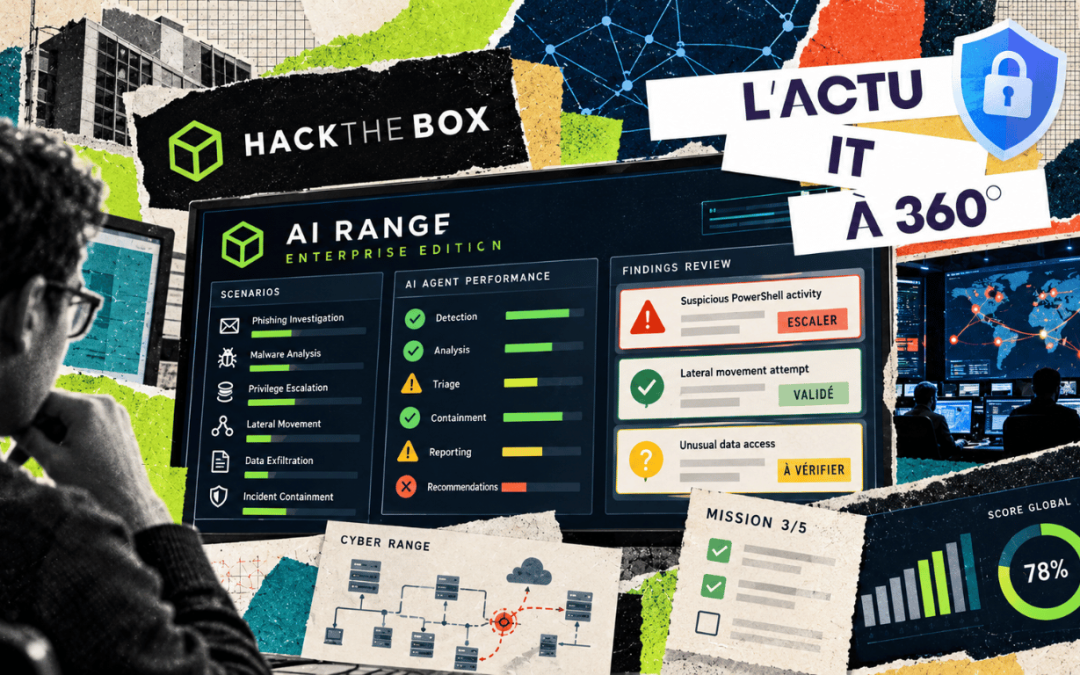
Can your AI agent really defend your company? Hack The Box puts its skills to the test
Hack The Box is launching AI Range Enterprise Edition to let security teams assess their own AI agents on the roles assigned to them.[1] For businesses, the stakes are concrete: having evidence before delegating a task, then checking that this evidence remains valid...
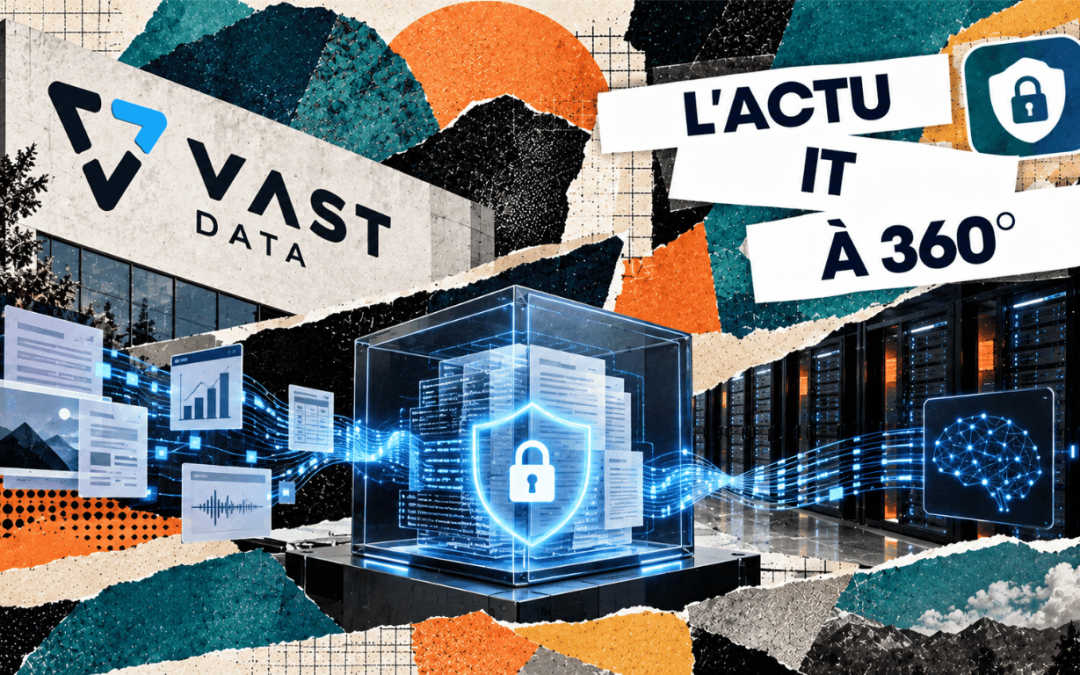
VAST Data wants AI to work with sensitive data in a protected environment
VAST Data has unveiled DataEnclave, a confidential execution capability designed to bring artificial intelligence models closer to companies’ sensitive data. Presented as a preview, it is due to go on sale in the first quarter of 2027.[1] The aim is to make certain...
Databricks buys Row Zero to bring spreadsheets closer to governed data
Databricks has announced the acquisition of Row Zero and plans to integrate its spreadsheet experience into Genie.[1] The aim is to let business teams explore data in a familiar interface, with greater control over access and usage. For companies, the challenge is to...
Google Cloud takes its X5 instances to 48 TB for large SAP databases
Google Cloud has announced the general availability of the X5 series, which raises the maximum advertised memory capacity on a single node to 48 TB, compared with 32 TB for X4.[1] Aimed in particular at very large SAP HANA databases, the offering is based on bare...
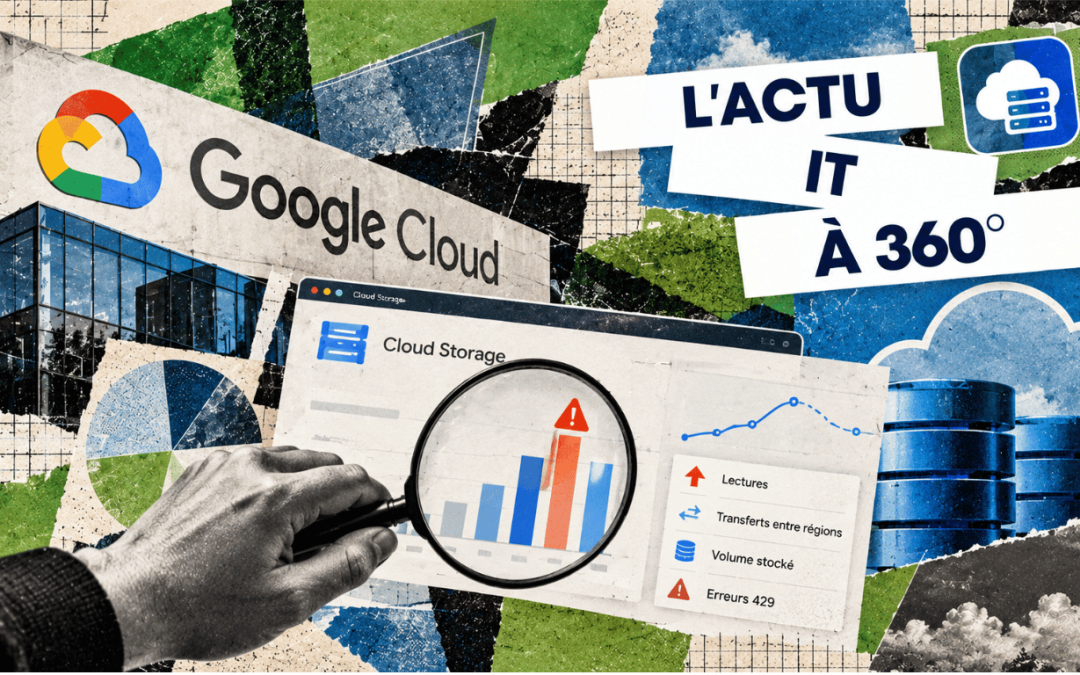
Cloud Storage: Google automates the detection of anomalies
A rise in reads, cross-region transfers or stored volume can inflate the cloud bill and disrupt applications. With Storage Intelligence advisor, Google offers a view of unusual changes in Cloud Storage, along with leads for investigating them. For businesses, the...
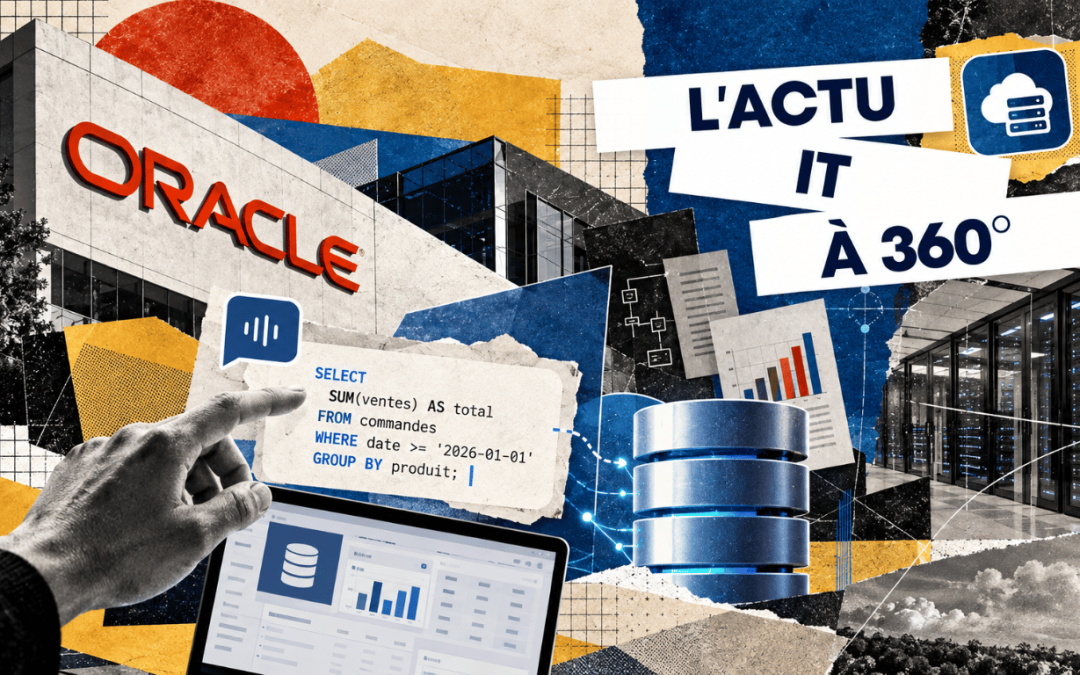
AI voice agents: Oracle details a LiveKit architecture on OCI
Oracle has described an architecture that pairs the LiveKit Agents framework with Oracle Cloud Infrastructure to automate real-time voice calls. The design links telephony, AI models and business services, while placing internal components in private subnets. For...