


The browser becomes a genuinely intelligent work tool
Google is upgrading Chrome Enterprise with advanced artificial intelligence capabilities, turning the browser into an active platform able to carry out tasks. Autonomous browsing, workflow automation and centralised IT oversight mark a break with traditional browser use. At a time when more than 65% of business applications are now accessible via the web, Chrome is becoming a central hub for workplace productivity1. This development repositions the browser as a genuine business tool, at the heart of day-to-day operations.
From browsing to autonomous task execution
With these new features, Chrome Enterprise no longer simply displays web pages. It can automate actions: filling in forms, moving between tools, running sequences of tasks or interacting with cloud applications. This approach is part of the emergence of AI agents capable of acting autonomously in digital environments. In practice, this helps reduce repetitive tasks and streamline business processes, particularly in areas such as administration, support and customer follow-up.
Productivity boosted by automation
For businesses and SMEs, the impact is immediate. Much of everyday work consists of repetitive actions in web interfaces. According to McKinsey, up to 30% of work tasks could be automated with AI, particularly those involving standardised digital interactions2. By automating these tasks directly in the browser, Google reduces friction and allows teams to focus on higher-value activities. This represents a significant time saving and an improvement in operational efficiency.
Stronger IT oversight in hybrid environments
Beyond productivity, Chrome Enterprise also includes oversight tools for IT teams. Administrators can monitor usage, control access and secure interactions between users and applications. This dimension is essential at a time when working environments are increasingly distributed across remote working, the cloud and mobility. The browser thus becomes a strategic control point for security and systems management.
Growing dependence on intelligent platforms
This development nonetheless raises important questions. By turning the browser into an intelligent platform, Google is strengthening its central role in working environments. Businesses are becoming increasingly dependent on these tools for their daily operations. This raises issues of sovereignty, data control and algorithmic transparency. Automation must therefore go hand in hand with strategic thinking about how these technologies are used and governed.
Managing automation becomes a key skill
This transformation highlights a strategic skill: software and application management, with a strong artificial intelligence dimension. IT professionals must understand these tools, know how to configure workflows and supervise the actions of agents. It is no longer just about using applications, but about managing systems capable of acting autonomously. This development is redefining digital skills and IT jobs.
Towards an automated and intelligent working environment
With this evolution of Chrome Enterprise, Google is confirming an underlying trend: the automation of digital tasks is becoming standard. The once-passive browser is becoming an active driver of productivity. For students and future IT professionals, this is a major transformation. It shows that everyday tools are evolving into intelligent systems capable of anticipating, executing and optimising tasks. Understanding these changes is essential to adapt to an increasingly automated world of work.
360° IT News — decoding technology to understand the jobs of tomorrow.
References
1. Gartner. (2024). Cloud application adoption trends.
https://www.gartner.com
2. McKinsey. (2023). The future of work and automation.
https://www.mckinsey.com
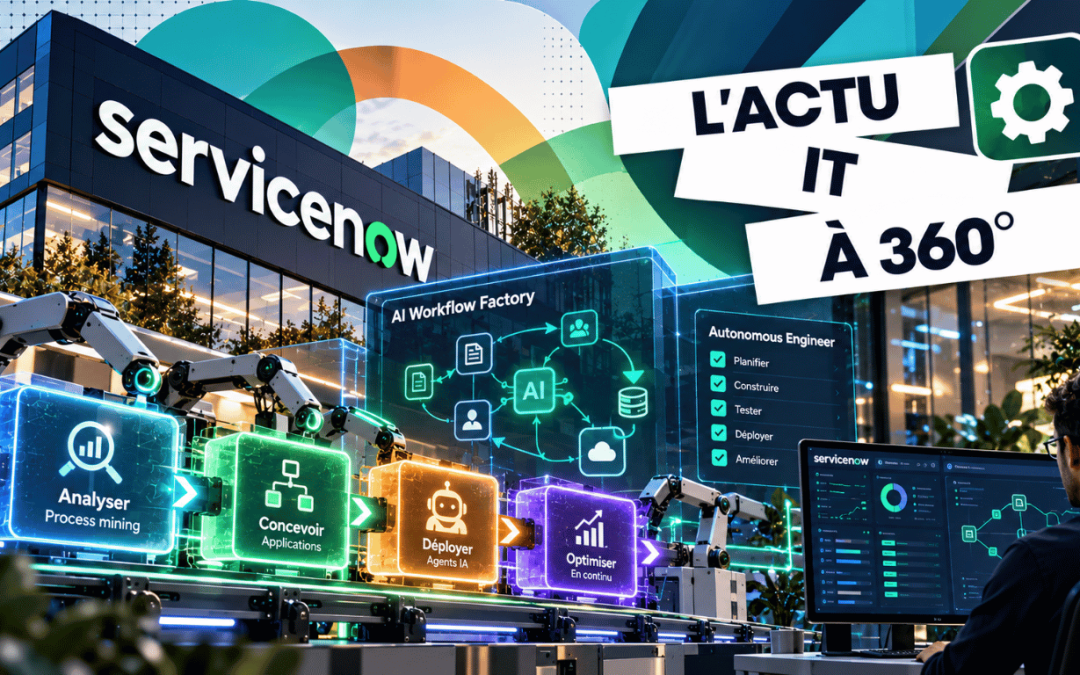
ServiceNow wants to turn process improvement into a continuous AI-driven loop
With AI Workflow Factory, ServiceNow aims to link the identification of inefficient processes with building and running their improvements. The announcement notably includes Autonomous Engineer, a tool designed to automate more of the implementation work.[1] For...

Mistral Large 4: what its trillion-parameter model could change for businesses
Mistral has opened the public preview of Mistral Large 4, nicknamed “Le Chonk”, and plans to release its weights by the end of the month.[1] This European model targets agentic use cases in particular, as well as cybersecurity, finance and industry. For businesses,...
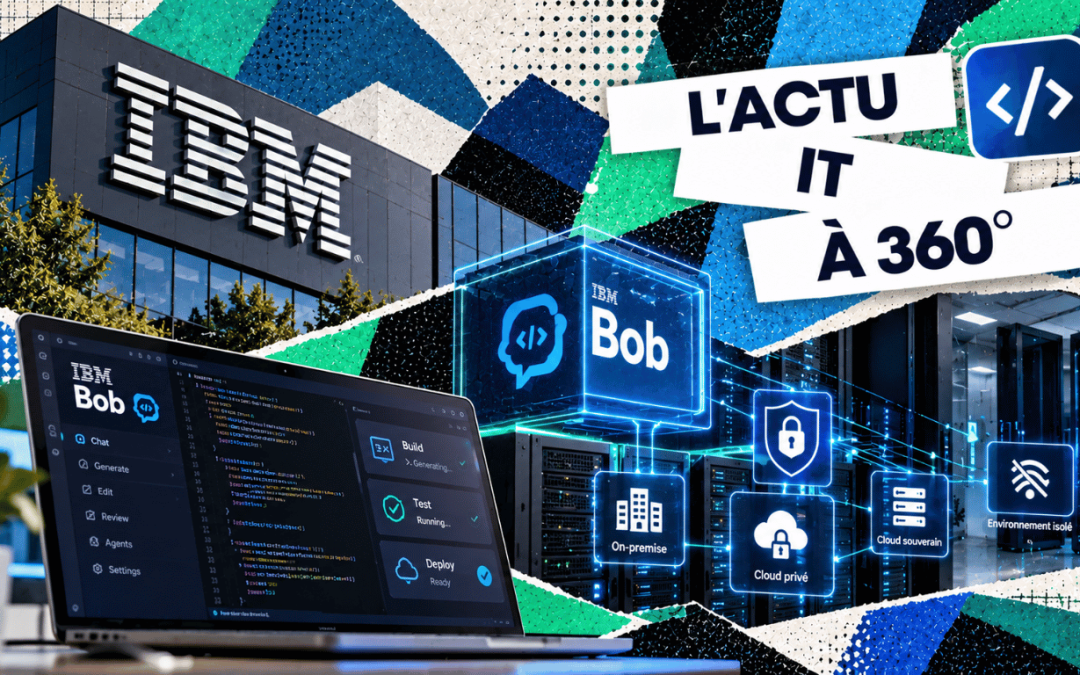
IBM Bob: developing with AI without your code leaving the company
IIBM has announced a self-hosted version of Bob, its agentic development platform, for internal infrastructure, private or sovereign clouds and environments isolated from the internet.[1] This option addresses a concrete obstacle: some applications contain code, data...

HPE is preparing a network that anticipates incidents and automates certain interventions
HPE plans to deploy a Self-Driving Network for the 2027 Ryder Cup, with Wi-Fi 7 and an operations centre bringing together data and AI tools.[1] The stated aim is to monitor usage, adapt the network and move towards autonomous interventions. For businesses, the...
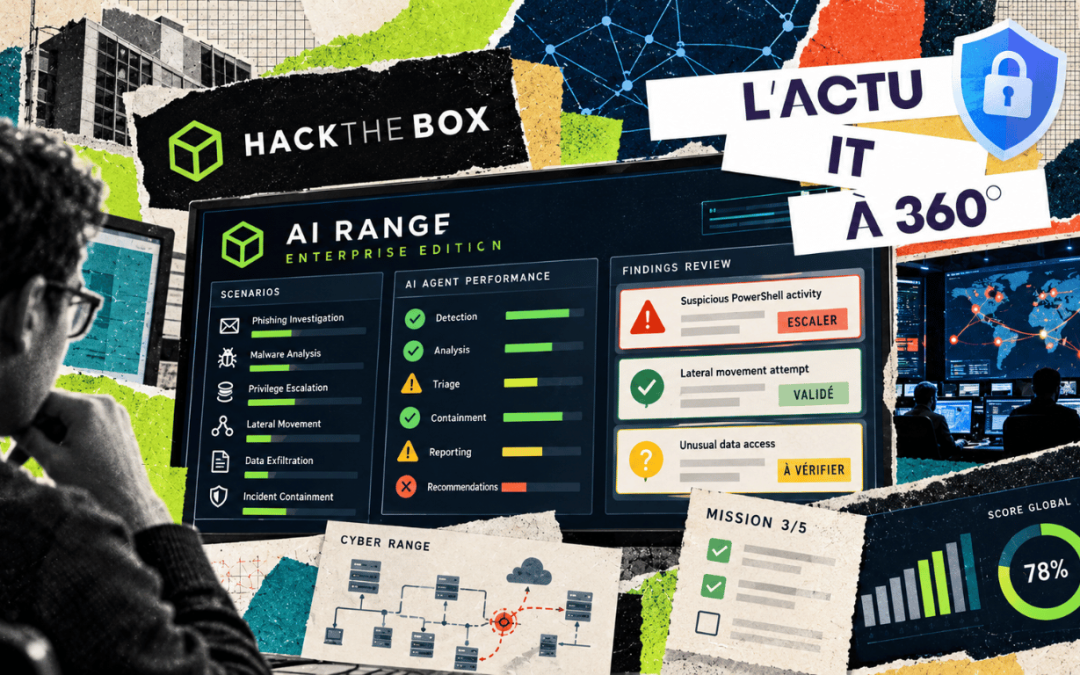
Can your AI agent really defend your company? Hack The Box puts its skills to the test
Hack The Box is launching AI Range Enterprise Edition to let security teams assess their own AI agents on the roles assigned to them.[1] For businesses, the stakes are concrete: having evidence before delegating a task, then checking that this evidence remains valid...

VAST Data wants AI to work with sensitive data in a protected environment
VAST Data has unveiled DataEnclave, a confidential execution capability designed to bring artificial intelligence models closer to companies’ sensitive data. Presented as a preview, it is due to go on sale in the first quarter of 2027.[1] The aim is to make certain...
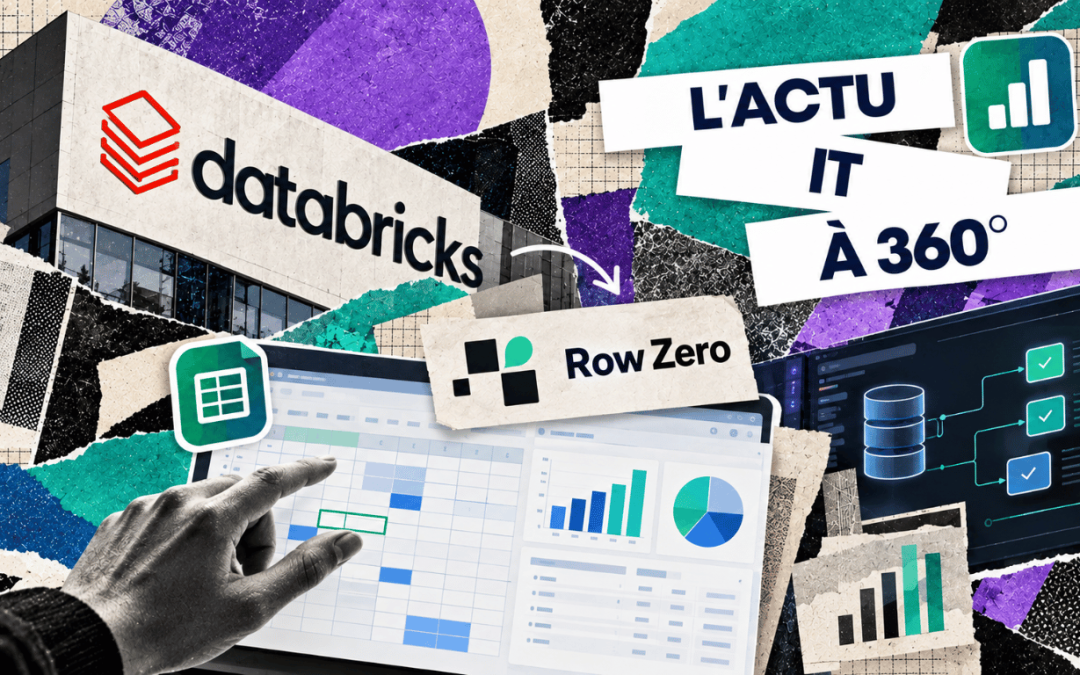
Databricks buys Row Zero to bring spreadsheets closer to governed data
Databricks has announced the acquisition of Row Zero and plans to integrate its spreadsheet experience into Genie.[1] The aim is to let business teams explore data in a familiar interface, with greater control over access and usage. For companies, the challenge is to...
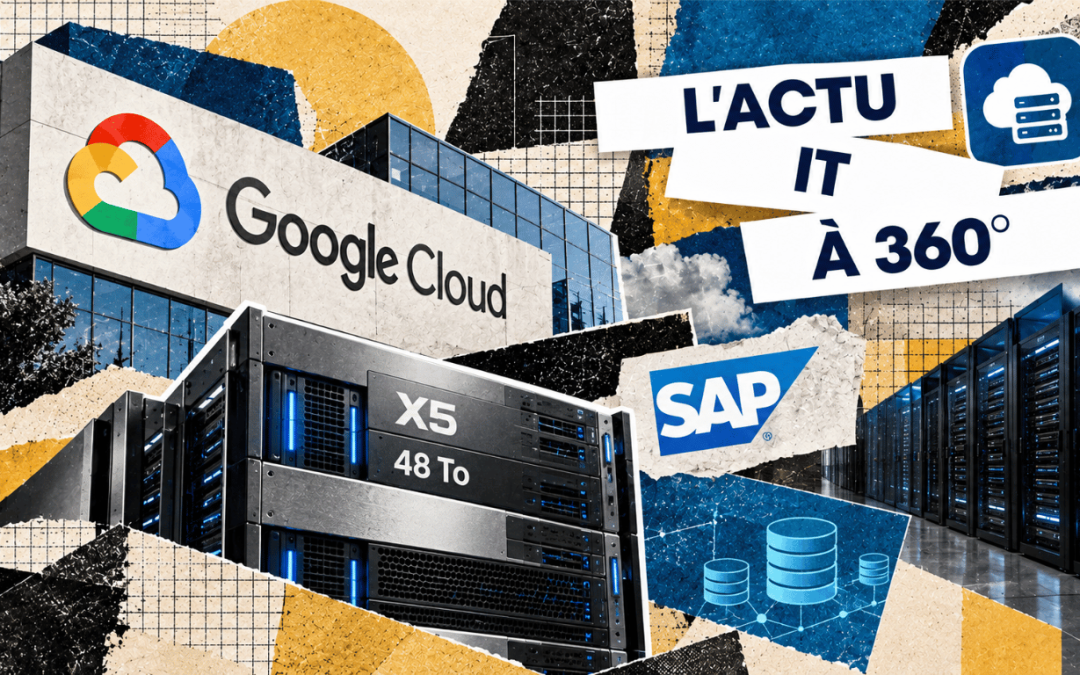
Google Cloud takes its X5 instances to 48 TB for large SAP databases
Google Cloud has announced the general availability of the X5 series, which raises the maximum advertised memory capacity on a single node to 48 TB, compared with 32 TB for X4.[1] Aimed in particular at very large SAP HANA databases, the offering is based on bare...
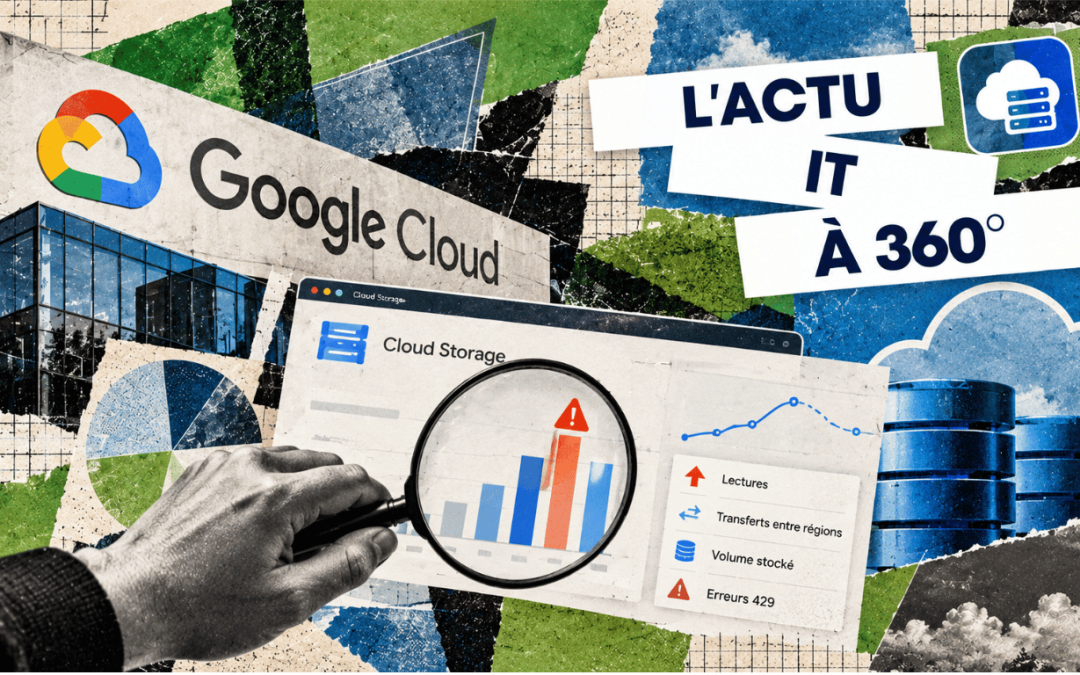
Cloud Storage: Google automates the detection of anomalies
A rise in reads, cross-region transfers or stored volume can inflate the cloud bill and disrupt applications. With Storage Intelligence advisor, Google offers a view of unusual changes in Cloud Storage, along with leads for investigating them. For businesses, the...
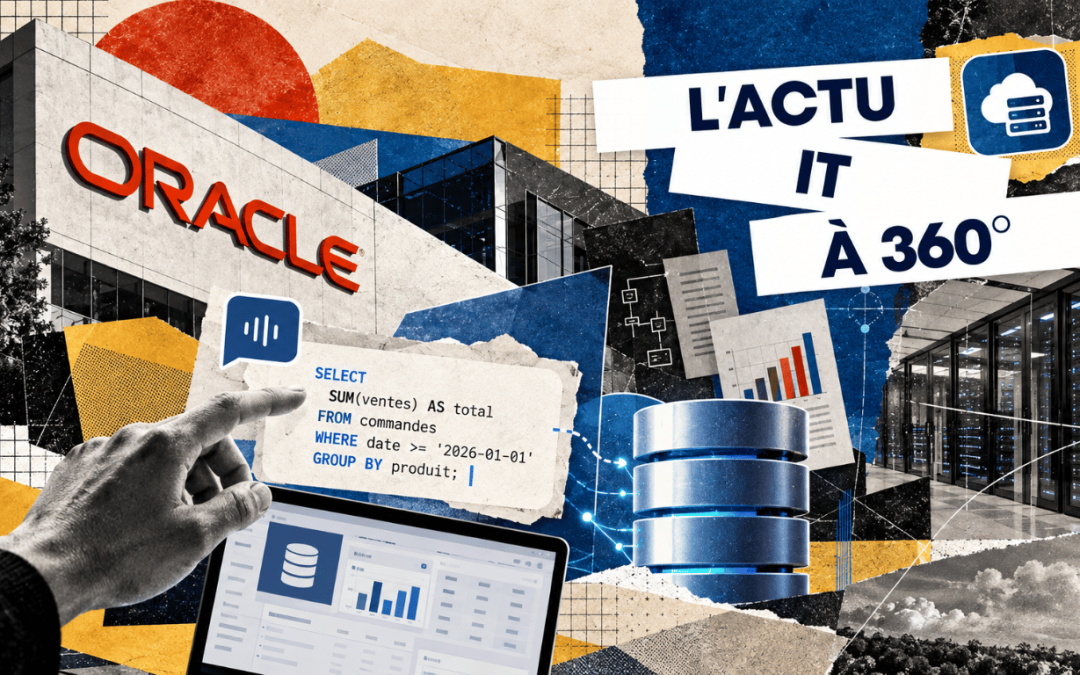
AI voice agents: Oracle details a LiveKit architecture on OCI
Oracle has described an architecture that pairs the LiveKit Agents framework with Oracle Cloud Infrastructure to automate real-time voice calls. The design links telephony, AI models and business services, while placing internal components in private subnets. For...