


Cybercriminals are changing targets
Cyberattacks are no longer aimed solely at data or workstations. The credentials used to access cloud platforms, artificial intelligence environments and development tools have become highly sought-after assets. It is against this backdrop that cybersecurity researchers have identified Djinn Stealer, a new piece of malware spread via a critical vulnerability in the SimpleHelp remote administration software, tracked as CVE-2026-48558. Once installed, it seeks to steal authentication details that could open up access to companies’ digital infrastructure.1
A single flaw can open the doors to the information system
Djinn Stealer exploits an authentication vulnerability that allows attackers to compromise an inadequately protected SimpleHelp server. Once this initial access has been gained, the malware harvests various types of credentials stored on the compromised machines: administrator accounts, cloud access, API keys, authentication tokens, development environments and artificial intelligence platforms. This information can then be sold on or used to prepare more complex attacks against the entire information system.1
Cloud credentials have become a strategic target
Businesses today use many cloud-hosted services as well as AI platforms accessed via credentials or access keys. For cybercriminals, stealing this information is often more profitable than launching a direct attack on infrastructure. By obtaining valid credentials, they can bypass certain protections, access sensitive resources, deploy malicious software or compromise development environments. Technical accounts are thus becoming prime entry points into modern information systems.2
AI creates new assets to protect
The rise of artificial intelligence is also changing the nature of sensitive information. API keys giving access to AI models, tokens used to orchestrate intelligent agents and credentials for development platforms are now critical resources for businesses. Their compromise can lead to financial losses, service outages or fraudulent use of particularly expensive computing capacity. Cybersecurity strategies must therefore evolve to cover these new digital assets in the same way as sensitive data or network infrastructure.2
Detecting the intrusion before it spreads
Faced with this type of threat, speed of detection becomes essential. Once credentials have been compromised, attackers generally seek to escalate their privileges gradually in order to reach other systems. Monitoring unusual logins, multi-factor authentication, regular rotation of access keys and segmentation of cloud environments help limit the consequences of a compromise. Businesses must also apply security patches promptly to prevent the exploitation of known vulnerabilities such as the one affecting SimpleHelp.3
New digital assets are redefining cybersecurity
This threat illustrates why Cybersecurity is evolving rapidly in response to new uses of the cloud and artificial intelligence. Professionals must now protect far more than servers or workstations. They must also secure digital identities, API keys, development environments, cloud platforms and access to AI services. As these resources become indispensable to how businesses operate, protecting them is becoming a central element of any security strategy.
Digital identities become the new defence perimeter
With Djinn Stealer, cybercriminals are demonstrating that access to cloud services and artificial intelligence platforms is now a priority target. This development confirms that corporate security no longer rests solely on protecting data, but also on controlling the digital identities that provide access to it. In an environment where infrastructure is becoming ever more distributed, securing this access is one of the main challenges of the years ahead.
360° IT News — decoding technology to understand the jobs of tomorrow.
Further reading
The integration of AI agents into collaborative tools is part of a broader evolution of professional software, in which artificial intelligence plays a direct role in business processes. On a related topic, read our article “With Code Layers, Figma brings design and development firmly together”, which shows how AI agents are now being built into design platforms to bring design and development teams closer together.
References
1. Dark Reading. (2026). Djinn Stealer Targets Cloud and AI Credentials via SimpleHelp Vulnerability.
https://www.darkreading.com
2. MITRE. (2026). CVE-2026-48558.
https://cve.mitre.org
3. CISA. (2026). Best Practices for Protecting Credentials and Cloud Environments.
https://www.cisa.gov
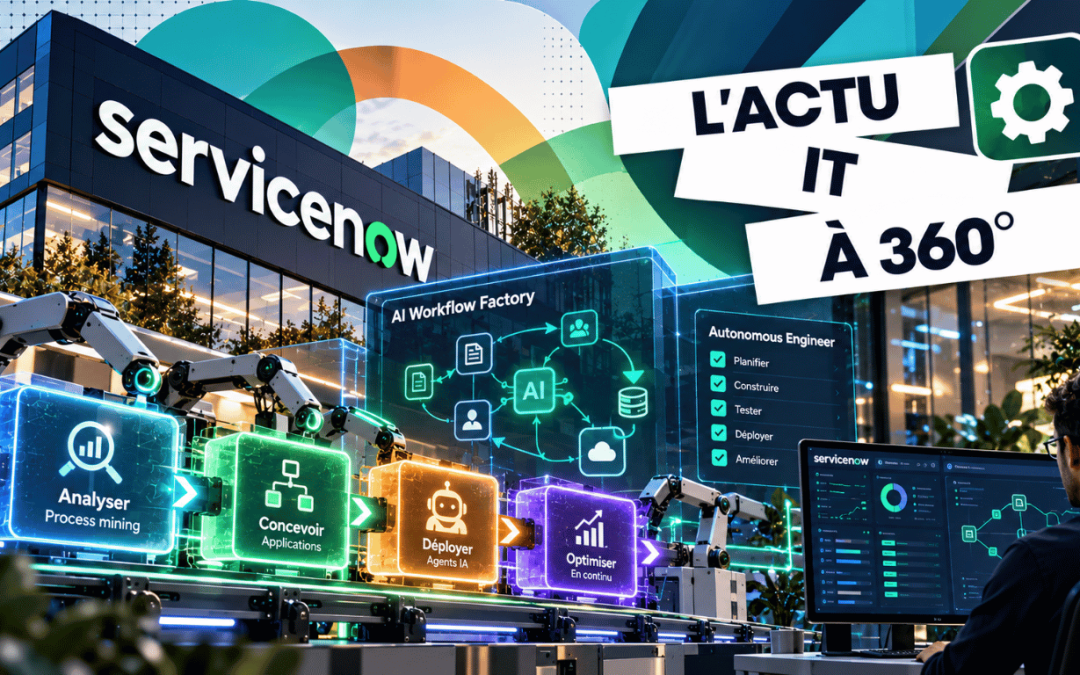
ServiceNow wants to turn process improvement into a continuous AI-driven loop
With AI Workflow Factory, ServiceNow aims to link the identification of inefficient processes with building and running their improvements. The announcement notably includes Autonomous Engineer, a tool designed to automate more of the implementation work.[1] For...

Mistral Large 4: what its trillion-parameter model could change for businesses
Mistral has opened the public preview of Mistral Large 4, nicknamed “Le Chonk”, and plans to release its weights by the end of the month.[1] This European model targets agentic use cases in particular, as well as cybersecurity, finance and industry. For businesses,...
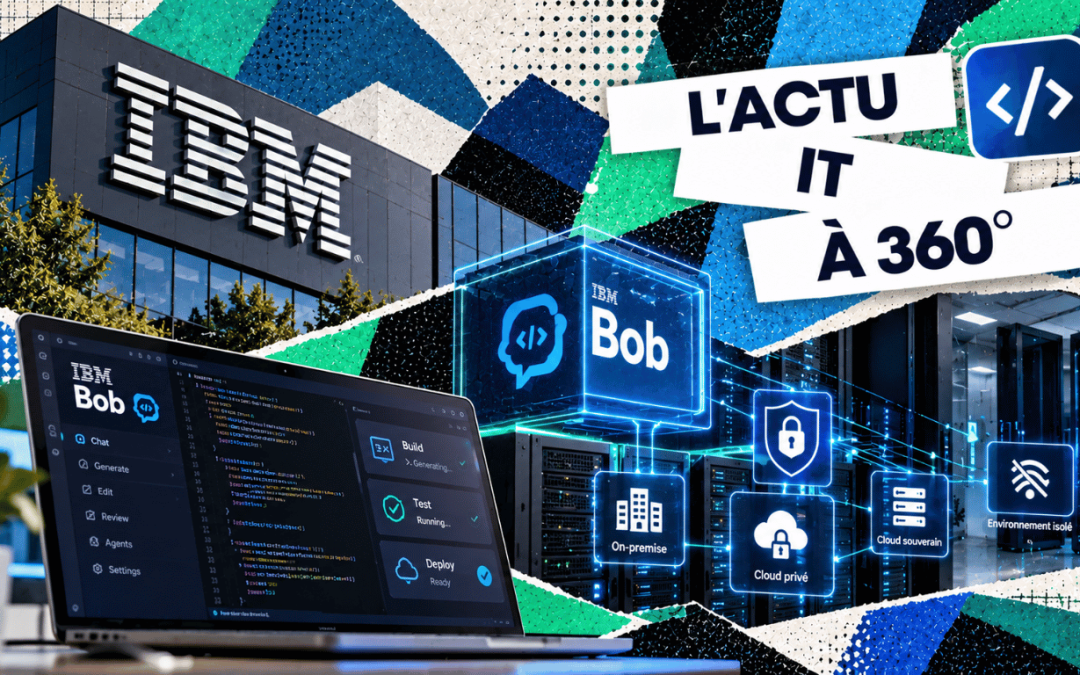
IBM Bob: developing with AI without your code leaving the company
IIBM has announced a self-hosted version of Bob, its agentic development platform, for internal infrastructure, private or sovereign clouds and environments isolated from the internet.[1] This option addresses a concrete obstacle: some applications contain code, data...

HPE is preparing a network that anticipates incidents and automates certain interventions
HPE plans to deploy a Self-Driving Network for the 2027 Ryder Cup, with Wi-Fi 7 and an operations centre bringing together data and AI tools.[1] The stated aim is to monitor usage, adapt the network and move towards autonomous interventions. For businesses, the...
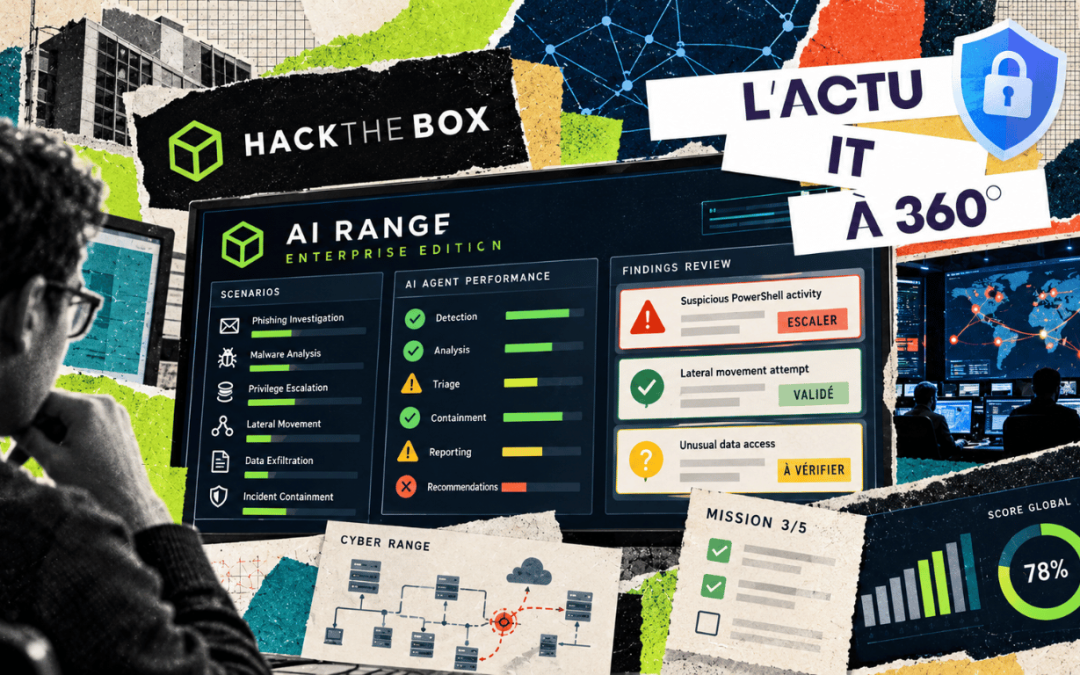
Can your AI agent really defend your company? Hack The Box puts its skills to the test
Hack The Box is launching AI Range Enterprise Edition to let security teams assess their own AI agents on the roles assigned to them.[1] For businesses, the stakes are concrete: having evidence before delegating a task, then checking that this evidence remains valid...
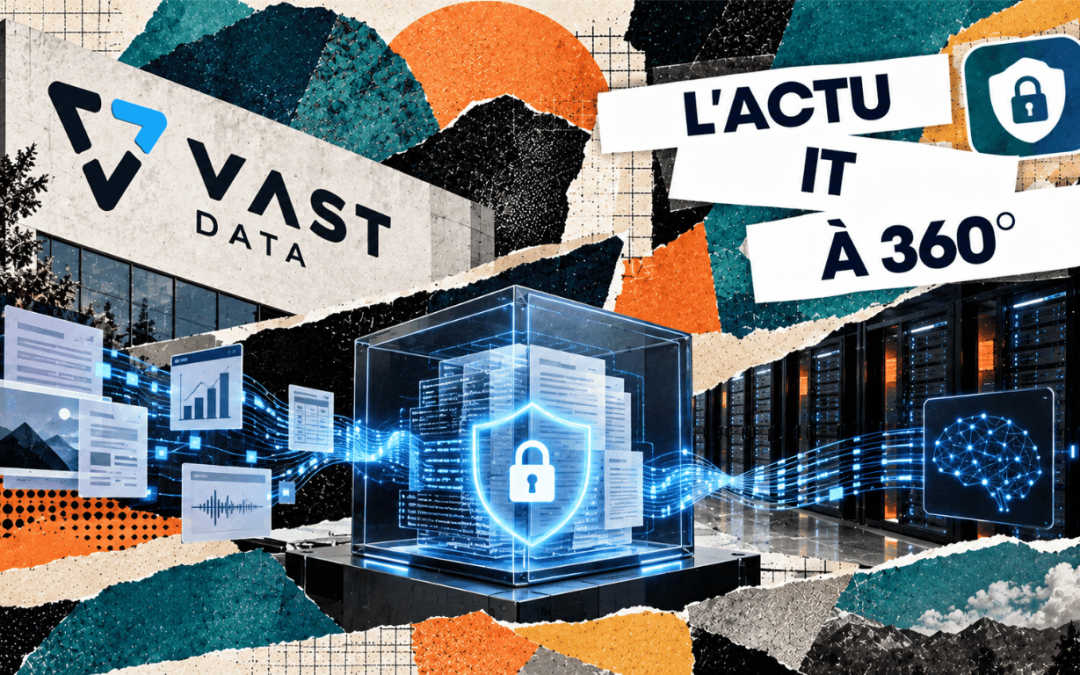
VAST Data wants AI to work with sensitive data in a protected environment
VAST Data has unveiled DataEnclave, a confidential execution capability designed to bring artificial intelligence models closer to companies’ sensitive data. Presented as a preview, it is due to go on sale in the first quarter of 2027.[1] The aim is to make certain...
Databricks buys Row Zero to bring spreadsheets closer to governed data
Databricks has announced the acquisition of Row Zero and plans to integrate its spreadsheet experience into Genie.[1] The aim is to let business teams explore data in a familiar interface, with greater control over access and usage. For companies, the challenge is to...
Google Cloud takes its X5 instances to 48 TB for large SAP databases
Google Cloud has announced the general availability of the X5 series, which raises the maximum advertised memory capacity on a single node to 48 TB, compared with 32 TB for X4.[1] Aimed in particular at very large SAP HANA databases, the offering is based on bare...
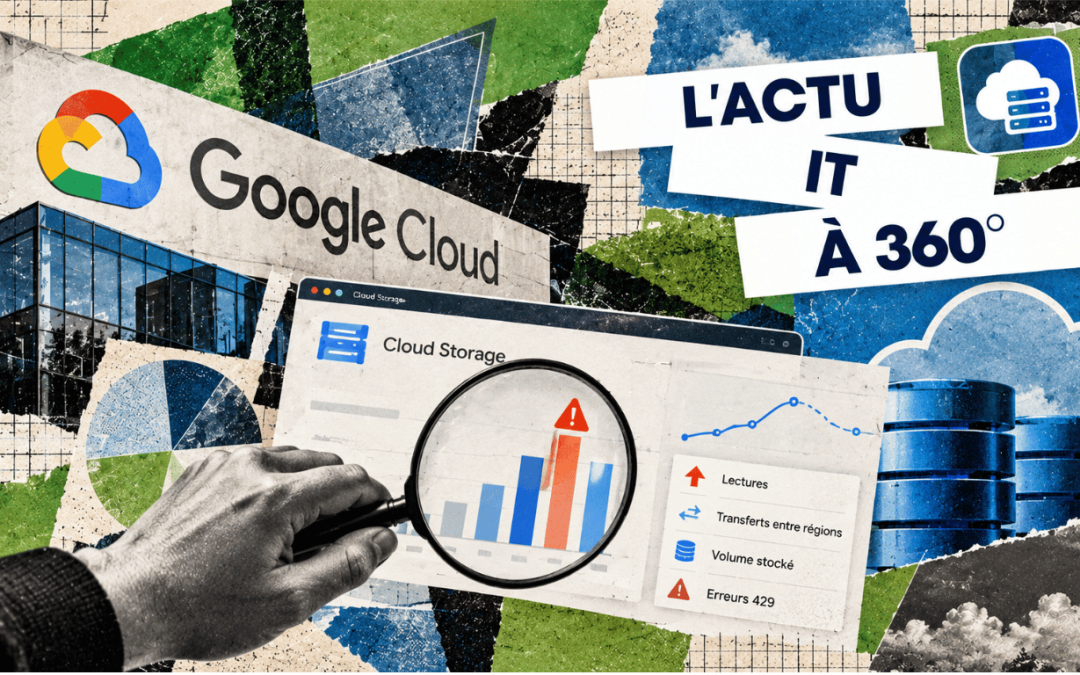
Cloud Storage: Google automates the detection of anomalies
A rise in reads, cross-region transfers or stored volume can inflate the cloud bill and disrupt applications. With Storage Intelligence advisor, Google offers a view of unusual changes in Cloud Storage, along with leads for investigating them. For businesses, the...
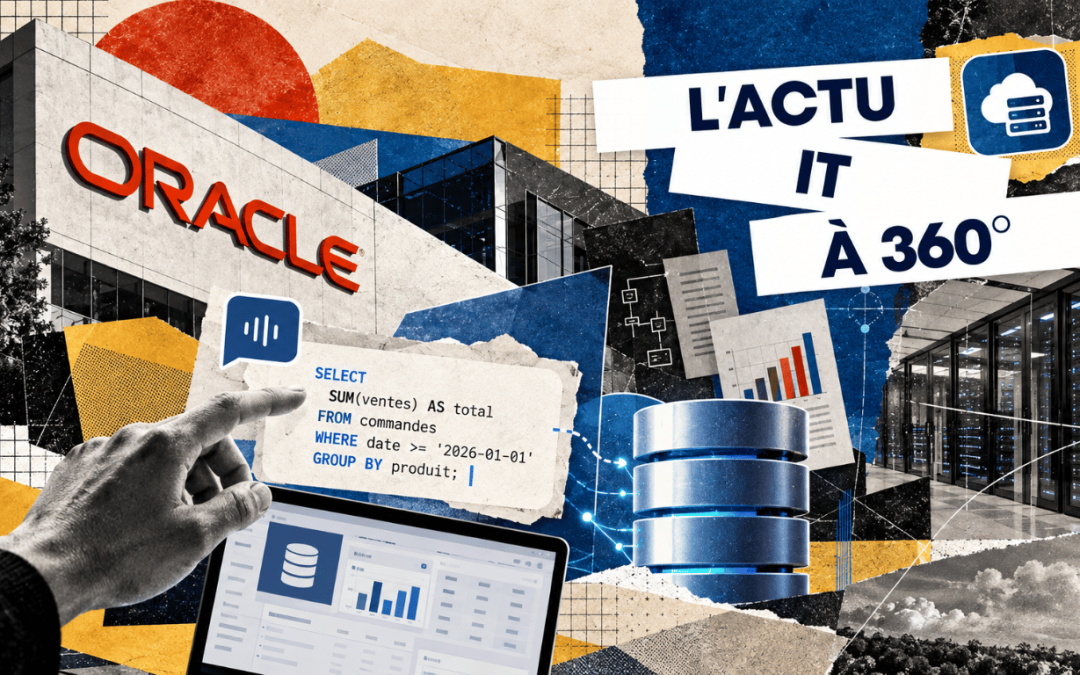
AI voice agents: Oracle details a LiveKit architecture on OCI
Oracle has described an architecture that pairs the LiveKit Agents framework with Oracle Cloud Infrastructure to automate real-time voice calls. The design links telephony, AI models and business services, while placing internal components in private subnets. For...