


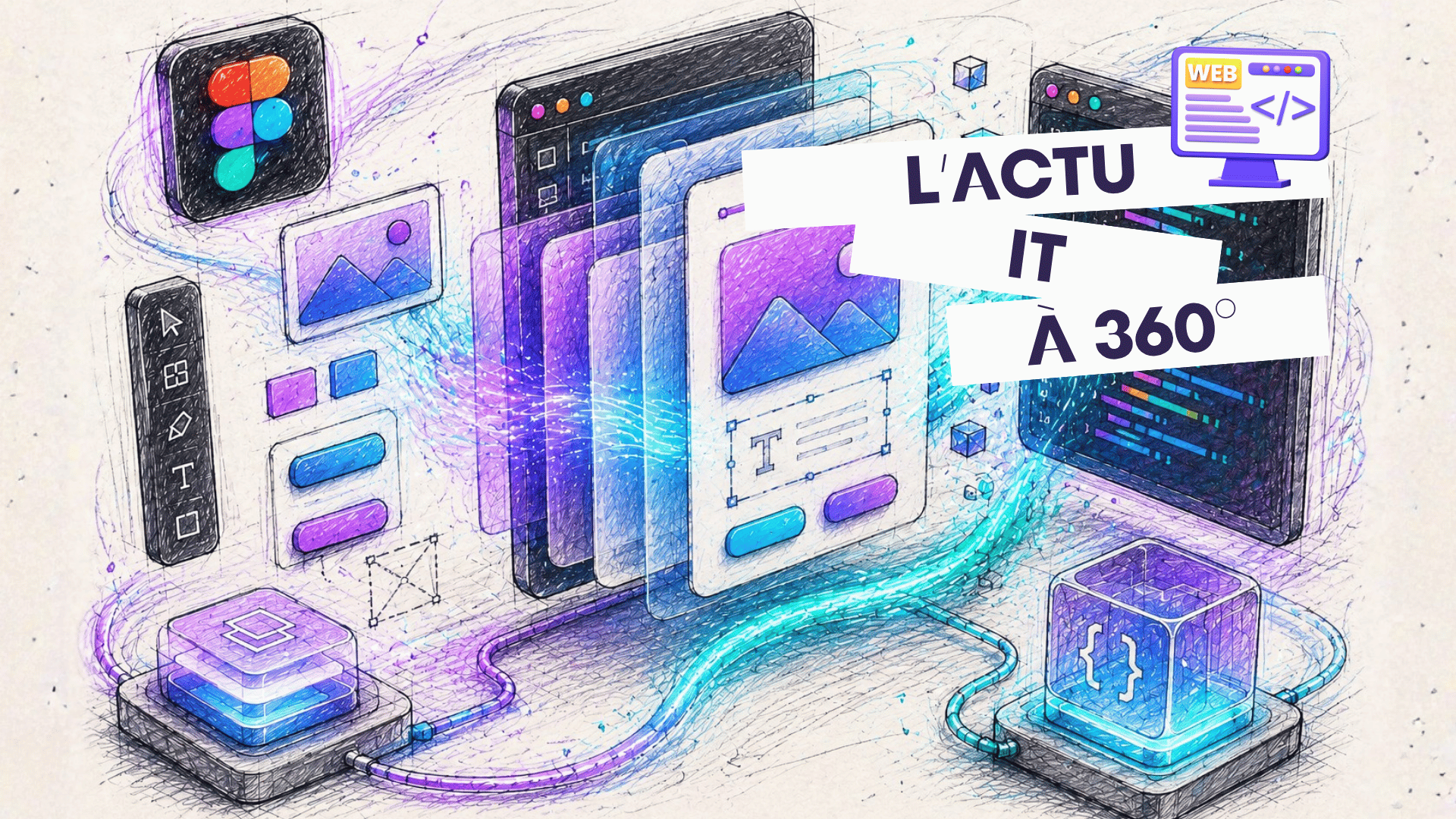
A new step towards building apps without boundaries
Design and software development have long followed two separate paths. Designers imagined the interfaces, developers then translated them into code, with many back-and-forth exchanges and sometimes discrepancies between the mock-up and the final product. At Config 2026, Figma aims to remove this boundary. The platform is introducing Code Layers, enriching its environment with new creative tools and strengthening its artificial intelligence agents in order to bring every stage of building an application into a single collaborative space.1
This is not simply a feature update. It reflects a more ambitious vision: turning Figma into a platform capable of supporting the entire development cycle, from the first ideas through to product delivery.
Design and code now evolve together
The main new feature presented at Config 2026 is the arrival of Code Layers. This feature makes it possible to import a Git repository directly into Figma, work on graphic and technical components on the same canvas and then automatically synchronise changes with the software project.1
Until now, moving from design to development often involved several intermediate steps. Mock-ups were exported, interpreted and then recreated by developers before being integrated into applications. Code Layers greatly reduce this disconnect. Designers immediately see the impact of their choices on the final product, while developers work from a representation that is constantly synchronised with the code.
This new way of working improves interface consistency while shortening production times.
Artificial intelligence becomes a creative partner
The other major development concerns the capabilities of the AI agent built into Figma. It now plays a part throughout the design process. It can generate new interface variants, produce code compatible with existing components, suggest improvements or automate certain repetitive tasks to save teams time.1
The aim is not to replace designers or developers. Rather, artificial intelligence acts as a collaborator that can take on the most time-consuming operations so that teams can devote more time to functional decisions, user experience and application quality.
An ever more complete creative environment
Figma is also using Config 2026 to enrich its canvas with several new tools. Motion now makes it possible to create animations, transitions and 3D scenes directly in the platform while automatically generating the corresponding code. Shaders introduces the creation of advanced graphic effects from simple natural-language descriptions. Finally, Weave Workflows bring together more than twenty tools designed to simplify AI-related processes and automate complex tasks.2
By grouping these features in a single environment, Figma seeks to limit switching between tools and to offer product teams a single workspace.
AI agents gain autonomy
The Config 2026 announcements also show that AI agents are gradually becoming able to play a more active role in projects. They can memorise certain tasks as reusable skills, use documents, access web search or use various connectors to better understand the context in which they operate.2
Figma also makes it possible to create custom plugins simply from a natural-language instruction. This development democratises extension development and makes it easier to automate many operations, even for users without strong programming skills.
A new way of collaborating in digital teams
With these new features, Figma no longer presents itself solely as a design tool. The platform is gradually becoming a shared space where designers, developers, product managers and user experience specialists work simultaneously on the same components.
This convergence reduces miscommunication, speeds up iterations and makes it easier to develop ever more complex applications. At a time when production cycles are getting shorter, this collaborative approach is a significant advantage for organisations.
Web Programming and Management becomes a strategic skill
Figma’s announcements perfectly illustrate how digital jobs are changing. Today, a professional can no longer master only design or only development. Companies are looking for people who understand web technologies, user interfaces, modern frameworks and the new AI-enhanced tools.
This is precisely what the Web Programming and Management skill taught at CCCLX develops. It provides the knowledge needed to design web applications, understand modern software architectures and collaborate effectively with multidisciplinary teams. With platforms such as Figma bringing graphic design and development closer together, this skill is becoming essential for taking part in building the applications of tomorrow.
A platform that supports the transformation of jobs
Code Layers illustrate a broader trend affecting the entire digital industry. Tools are evolving into environments that bring design, development and artificial intelligence together in a single workspace. This convergence is gradually transforming software production methods and redefining the skills companies expect.
For students and future digital professionals, these developments show that jobs are becoming increasingly cross-functional. Knowing how to work with intelligent tools, understanding web technologies and working in environments where code and design evolve simultaneously is now a real professional advantage.
360° IT News — decoding technology to understand the jobs of tomorrow.
Further reading
Figma’s announcements illustrate an underlying trend: professional software is becoming an intelligent workspace, able to assist users and understand their context. This development is not limited to design tools. Web browsers are following the same path by building AI features directly into their interface. To explore this transformation further, read our article “Google upgrades Chrome: Gemini now analyses what is on your screen”, which shows how artificial intelligence is gradually being built into everyday tools to simplify interactions and improve productivity.
References
1. Figma. (2026). Config 2026 Product Announcements.
https://www.figma.com
2. Figma. (2026). Introducing Code Layers, Motion and Weave.
https://www.figma.com/blog

Data centres in space: why Nvidia wants to revolutionise the cloud
News in brief At the GTC 2026 conference, Nvidia announced its intention to accelerate the development of artificial intelligence in space, joining an emerging movement around orbital data centres. The company is no longer content to supply chips for satellites; it is...

Claude Marketplace: what Anthropic’s new platform changes for businesses
News in brief Anthropic has just announced Claude Marketplace, a new platform that allows companies to access, share and use artificial intelligence agents based on its Claude model. The aim is no longer just to offer conversational AI, but to create a genuine...
Automated code review: Anthropic’s Claude now analyses developers’ code
News in brief Artificial intelligence continues to transform developers’ work. Anthropic, the company behind the Claude AI model, has just announced new capabilities that allow its assistant to analyse computer code and help developers with their code review...
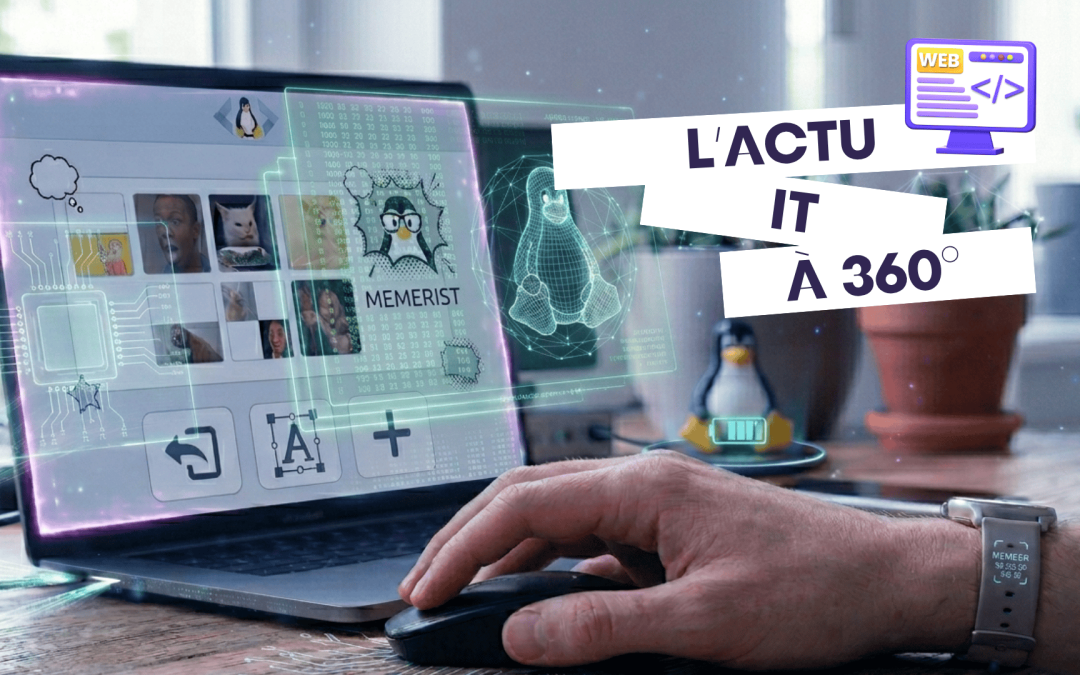
Memerist: the free Linux app for creating memes in seconds
News in brief Creating a meme has become an everyday activity on the internet. Humorous images circulate daily on social networks, forums and messaging apps, often used to comment on the news, share an idea or simply make people laugh. Yet producing a meme quickly is...
Microsoft unveils Microsoft 365 E7: Copilot and AI agents at the heart of its enterprise strategy
News in brief Microsoft recently announced Microsoft 365 E7, a new offering for businesses that places artificial intelligence at the heart of the working environment. This development is part of Microsoft’s overall strategy to transform traditional productivity tools...

Global cyber-espionage: the Salt Typhoon affair shows why cybersecurity is becoming crucial
News in brief A vast cyber-espionage operation called Salt Typhoon has reportedly infiltrated several telecom operators around the world. Hacker groups linked to China are believed to be behind these attacks, which can access sensitive communication infrastructure....
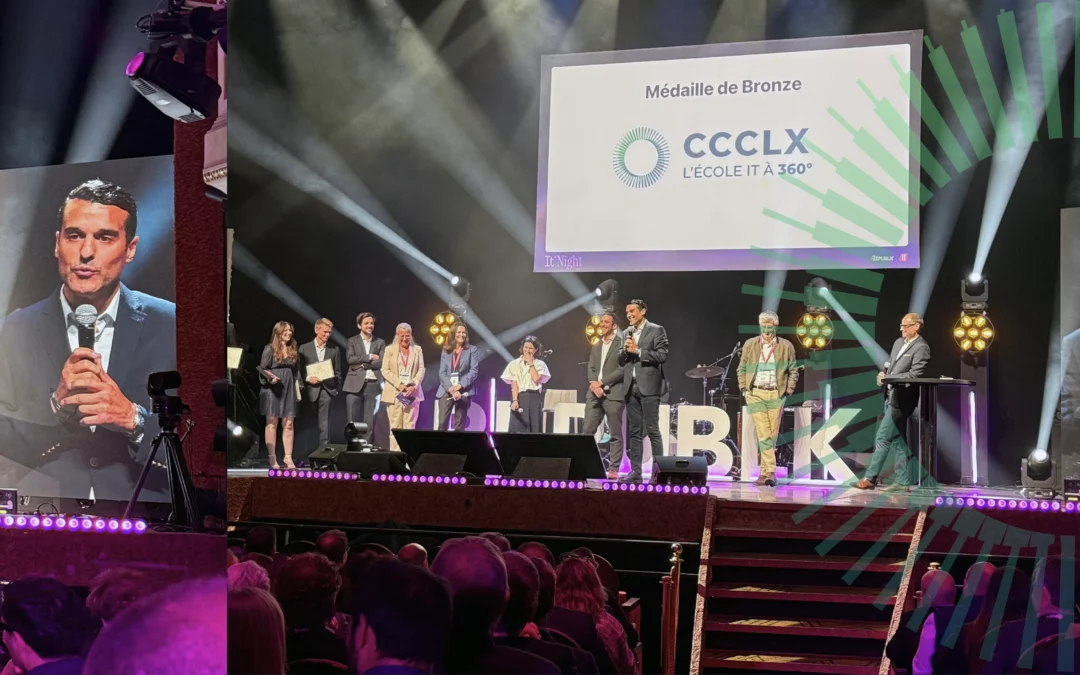
CCCLX wins Bronze Trophy at IT Night 2025!
CCCLX, the 360° IT school, was honored at IT Night 2025 - La Nuit de l'Entreprise Numérique, winning the Bronze Trophy in the Schools / Training category. A fine accolade in the context of this emblematic event for the French digital ecosystem, organized annually...

A revolution in higher education financing by aivancity/CCCLX and Umanity
A concrete solution to democratize access to education for the professions of tomorrow This scheme, the only one of its kind in France, complements a series of measures put in place by aivancity to promote diversity and equitable access to its programs (tuition-free...

White paper: How generative AI is transforming SMEs
White paper: How generative AI is transforming SMEs In a world where technological innovation is redefining the rules of the game, small and medium-sized businesses have never had so much to gain... or lose. Against this ever-changing backdrop, CCCLX unveils its new...
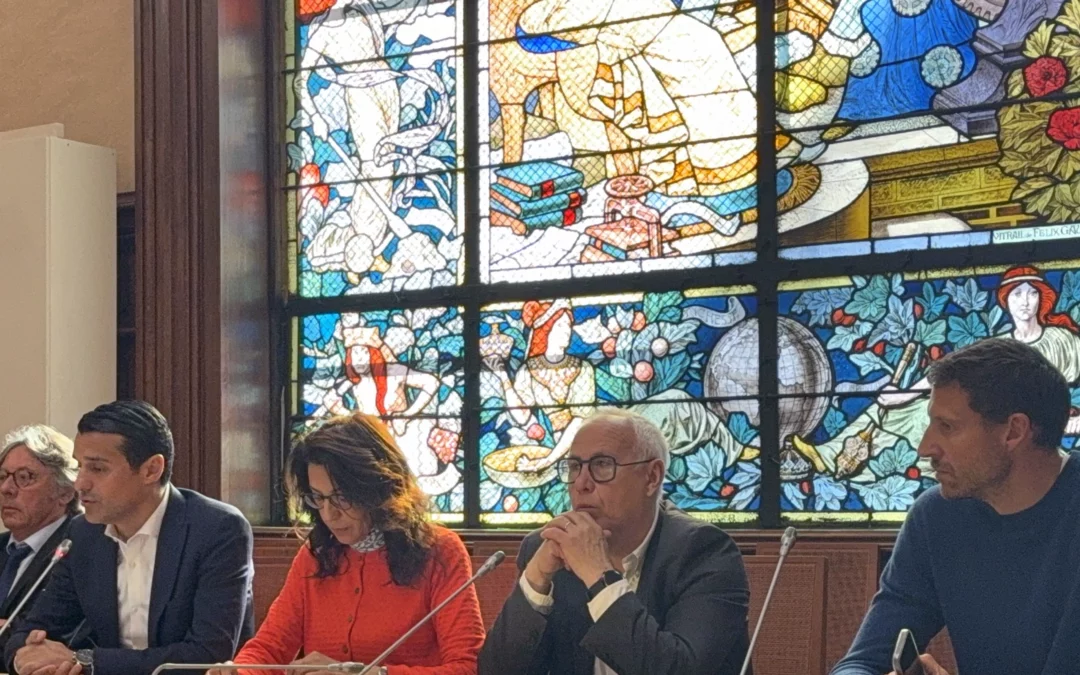
CCCLX: A new IT school dedicated to SMEs and startups is born
On April 28, 2025, CCCLX was officially unveiled at the CCI Paris during a press conference packed with symbols and commitments. The launch was attended by a number of leading personalities: Soumia Malimbum, President of CCI Paris, Alain Martinez, President of CPME...