


The office is everywhere, but the tools do not always keep up
Hybrid working has profoundly changed professional habits. Video-conference meetings, frequent travel, days split between home, the office and coworking spaces: employees now move between multiple environments. Yet the equipment they use on the move is often less comfortable and less capable than what is available at the office. With the launch of the Mobi Fold folding mouse and the Spotlight 2 presenter, Logitech is seeking to respond to this new reality with tools designed to support professionals wherever they work.
Mobile working is becoming the norm
The spread of hybrid working has changed the expectations of companies and employees alike. Stations, cafés, hotels and coworking spaces have become fully fledged workplaces. This mobility offers greater flexibility, but it also exposes employees to ergonomic and technical constraints. Many professionals, for example, still rely solely on their laptop’s touchpad when travelling, at the expense of comfort and sometimes productivity.
Mobi Fold focuses on mobile ergonomics
To address this issue, Logitech has unveiled Mobi Fold, a folding mouse designed for mobile workers. Its main strength lies in its compact format, which makes it easy to carry while retaining ergonomics close to those of a traditional mouse. According to Logitech, prolonged use of a mouse can significantly reduce muscle strain compared with intensive use of a trackpad1. This approach is part of a broader trend: improving the user experience is becoming a productivity lever for businesses.
CIOs also want security
Beyond comfort, IT departments must guarantee the security of equipment used outside the company network. The business version of Mobi Fold therefore includes the Logi Bolt receiver, which provides a secure wireless connection via USB-C. Logitech also offers compatibility with its Logitech Sync platform, allowing IT teams to monitor and manage the peripherals deployed across organisations1. This remote management capability is becoming particularly important in hybrid environments where employees work from several locations.
Embedded intelligence comes to peripherals
Office equipment is also becoming smarter. Logitech has built several automated functions into Mobi Fold, including automatic power on and off linked to the folding mechanism. The device also uses intelligent mechanisms to prevent certain accidental clicks when it is closed. These features illustrate an underlying trend: embedded intelligence is gradually finding its way into everyday peripherals to simplify the user experience.
Spotlight 2 rethinks public speaking
The other new product announced by Logitech is Spotlight 2, a presentation remote for professionals who regularly speak in front of an audience. The device features a pressure-sensitive interface and a haptic feedback system that guides users without them needing to look at the remote. Logitech also envisages uses related to stress management, with discreet pulses that can help pace breathing before a presentation1.
Presentations are becoming more interactive
With Spotlight 2, Logitech is also seeking to move beyond the limits of the traditional laser pointer. The device makes it possible to highlight certain elements on screen, zoom in on a specific area or annotate content live. These features respond to the new practices of hybrid meetings, in which part of the audience is often remote. In this context, making presentations more visible and more interactive is becoming an important way of keeping participants’ attention.
Hardware is evolving with new ways of working
The arrival of this new equipment illustrates a broader transformation of the IT market. Having long concentrated their efforts on computers and collaborative software, manufacturers are now turning their attention to accessories that can improve the everyday working experience. The modern workstation is no longer limited to a fixed desk: it must accompany users wherever they go while guaranteeing comfort, security and performance.
Understanding new working environments is becoming essential
This development highlights an increasingly sought-after skill: designing and managing digital workplace environments. Future IT professionals will need to understand how hardware, collaborative software and cloud infrastructure interact to deliver a consistent experience to users. Organisational efficiency now depends as much on the tools themselves as on the way they are integrated into everyday practices.
A new generation of tools for hybrid working
With Mobi Fold and Spotlight 2, Logitech illustrates the market’s shift towards equipment better suited to the realities of hybrid working. For students and future IT professionals, this trend is worth following closely. It shows that innovation is not just about cloud platforms or artificial intelligence, but also about the tools that support employees in their day-to-day activities.
360° IT News — decoding technology to understand the jobs of tomorrow.
Further reading
The rising demand for SSDs illustrates the concrete impact of artificial intelligence on hardware infrastructure. While companies are investing heavily in storage, they are also seeking to optimise the costs of AI processing. On a related subject, read our article “ The token war begins: Headroom wants to make AI less expensive”, which explores new strategies for optimising the resources used by artificial intelligence models.
References
1. Logitech. (2026). Mobi Fold and Spotlight 2 Product Announcements.
https://www.logitech.com
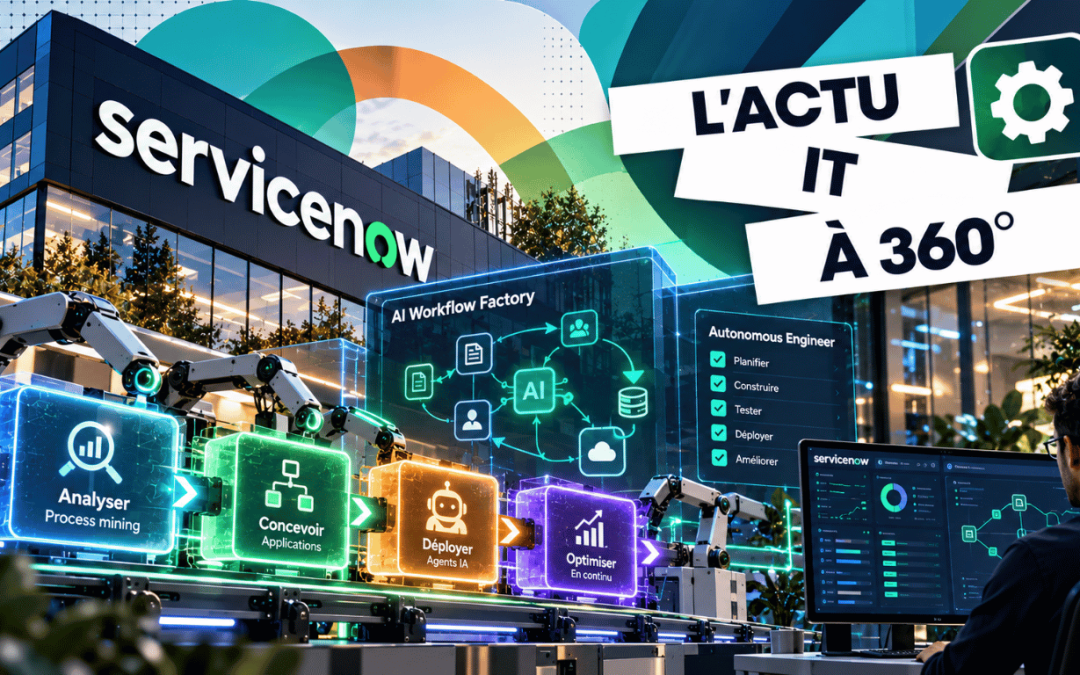
ServiceNow wants to turn process improvement into a continuous AI-driven loop
With AI Workflow Factory, ServiceNow aims to link the identification of inefficient processes with building and running their improvements. The announcement notably includes Autonomous Engineer, a tool designed to automate more of the implementation work.[1] For...

Mistral Large 4: what its trillion-parameter model could change for businesses
Mistral has opened the public preview of Mistral Large 4, nicknamed “Le Chonk”, and plans to release its weights by the end of the month.[1] This European model targets agentic use cases in particular, as well as cybersecurity, finance and industry. For businesses,...
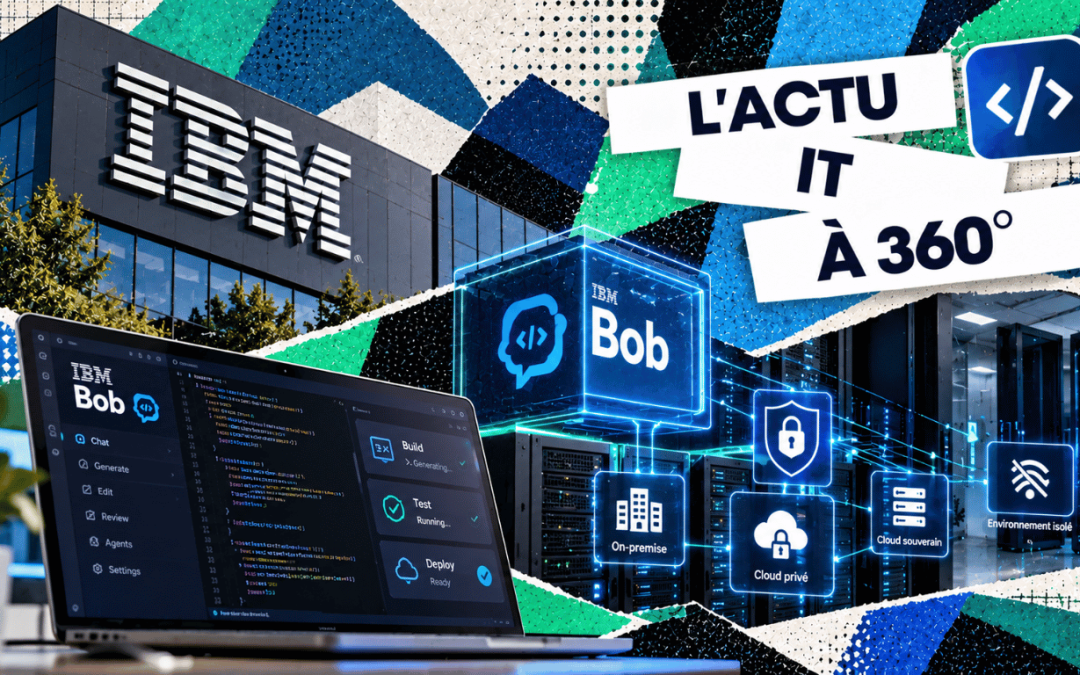
IBM Bob: developing with AI without your code leaving the company
IIBM has announced a self-hosted version of Bob, its agentic development platform, for internal infrastructure, private or sovereign clouds and environments isolated from the internet.[1] This option addresses a concrete obstacle: some applications contain code, data...
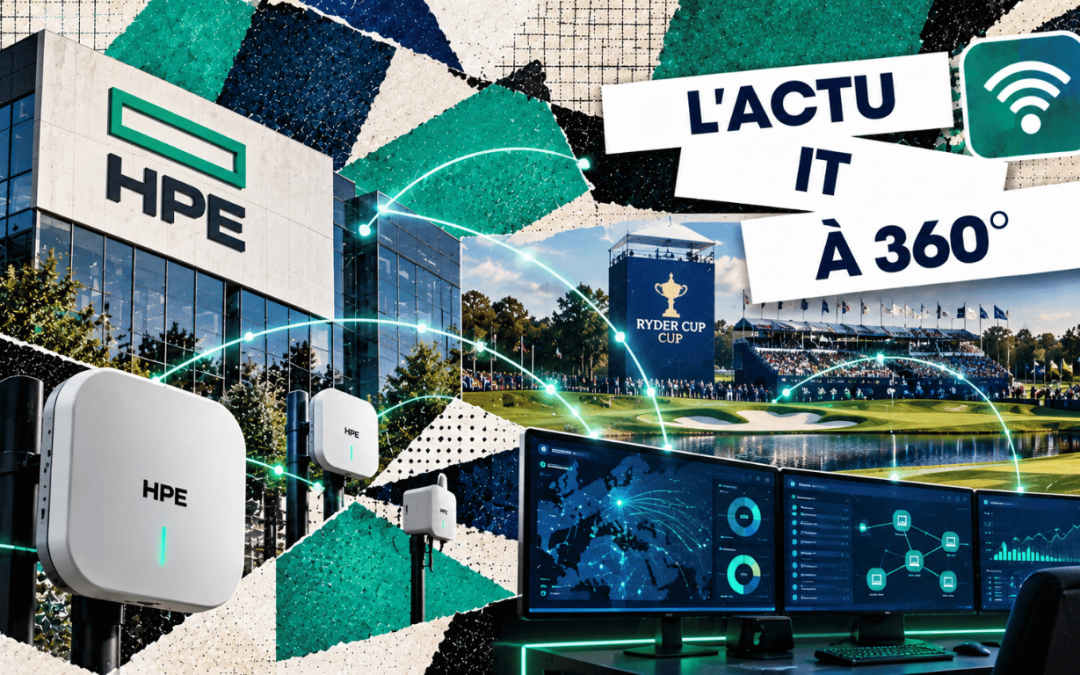
HPE is preparing a network that anticipates incidents and automates certain interventions
HPE plans to deploy a Self-Driving Network for the 2027 Ryder Cup, with Wi-Fi 7 and an operations centre bringing together data and AI tools.[1] The stated aim is to monitor usage, adapt the network and move towards autonomous interventions. For businesses, the...
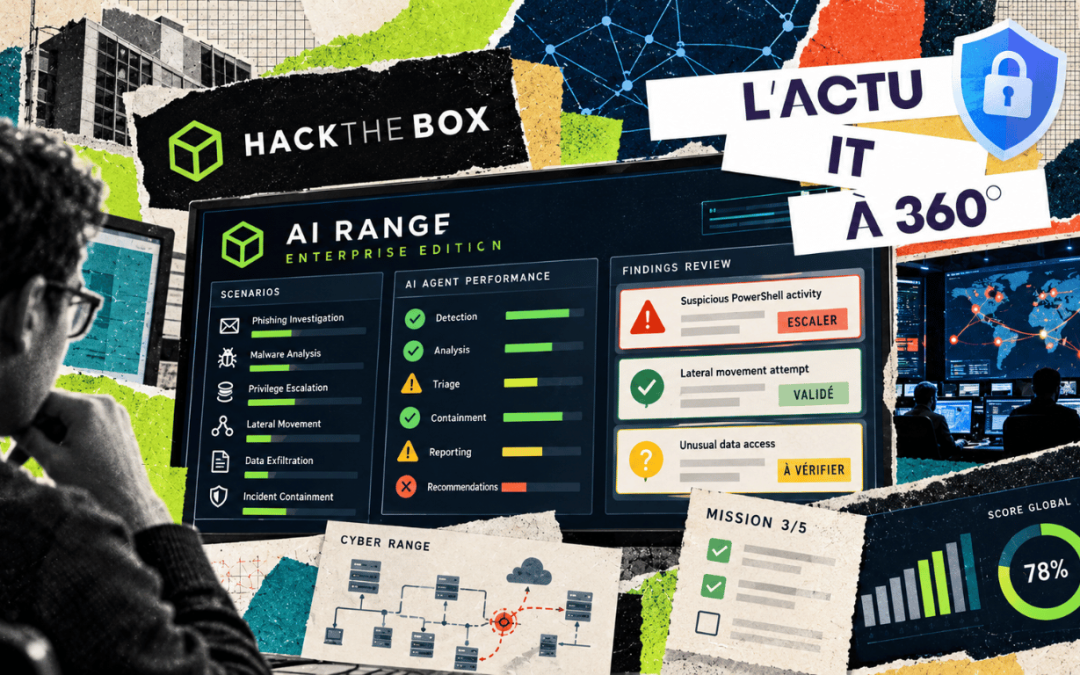
Can your AI agent really defend your company? Hack The Box puts its skills to the test
Hack The Box is launching AI Range Enterprise Edition to let security teams assess their own AI agents on the roles assigned to them.[1] For businesses, the stakes are concrete: having evidence before delegating a task, then checking that this evidence remains valid...

VAST Data wants AI to work with sensitive data in a protected environment
VAST Data has unveiled DataEnclave, a confidential execution capability designed to bring artificial intelligence models closer to companies’ sensitive data. Presented as a preview, it is due to go on sale in the first quarter of 2027.[1] The aim is to make certain...
Databricks buys Row Zero to bring spreadsheets closer to governed data
Databricks has announced the acquisition of Row Zero and plans to integrate its spreadsheet experience into Genie.[1] The aim is to let business teams explore data in a familiar interface, with greater control over access and usage. For companies, the challenge is to...
Google Cloud takes its X5 instances to 48 TB for large SAP databases
Google Cloud has announced the general availability of the X5 series, which raises the maximum advertised memory capacity on a single node to 48 TB, compared with 32 TB for X4.[1] Aimed in particular at very large SAP HANA databases, the offering is based on bare...
Cloud Storage: Google automates the detection of anomalies
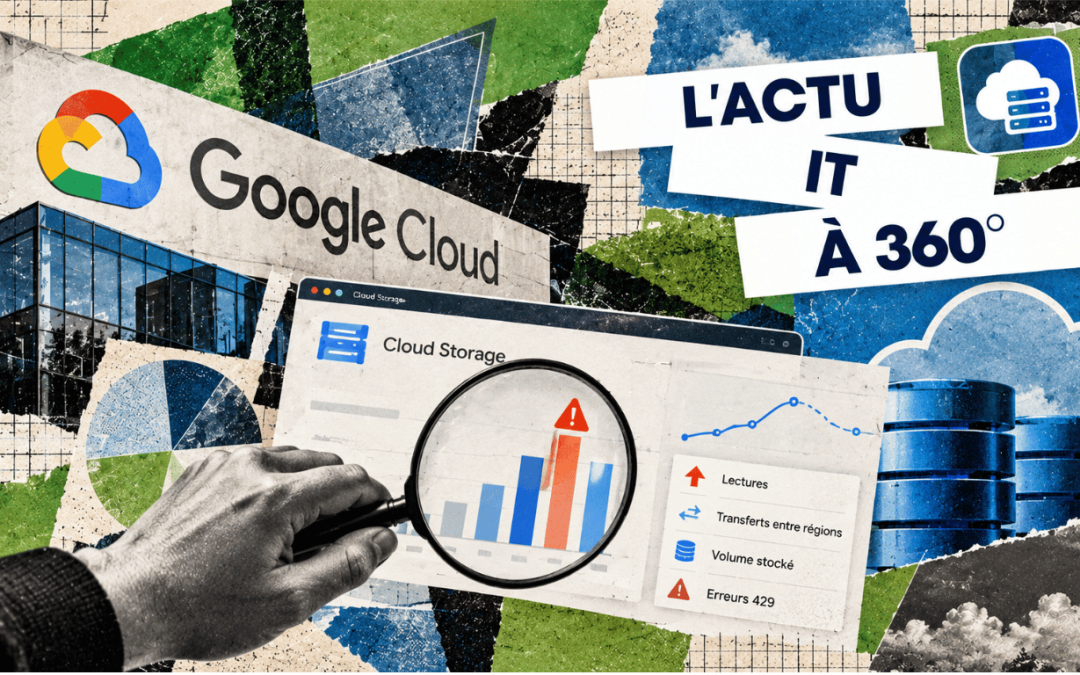
A rise in reads, cross-region transfers or stored volume can inflate the cloud bill and disrupt applications. With Storage Intelligence advisor, Google offers a view of unusual changes in Cloud Storage, along with leads for investigating them. For businesses, the...
AI voice agents: Oracle details a LiveKit architecture on OCI
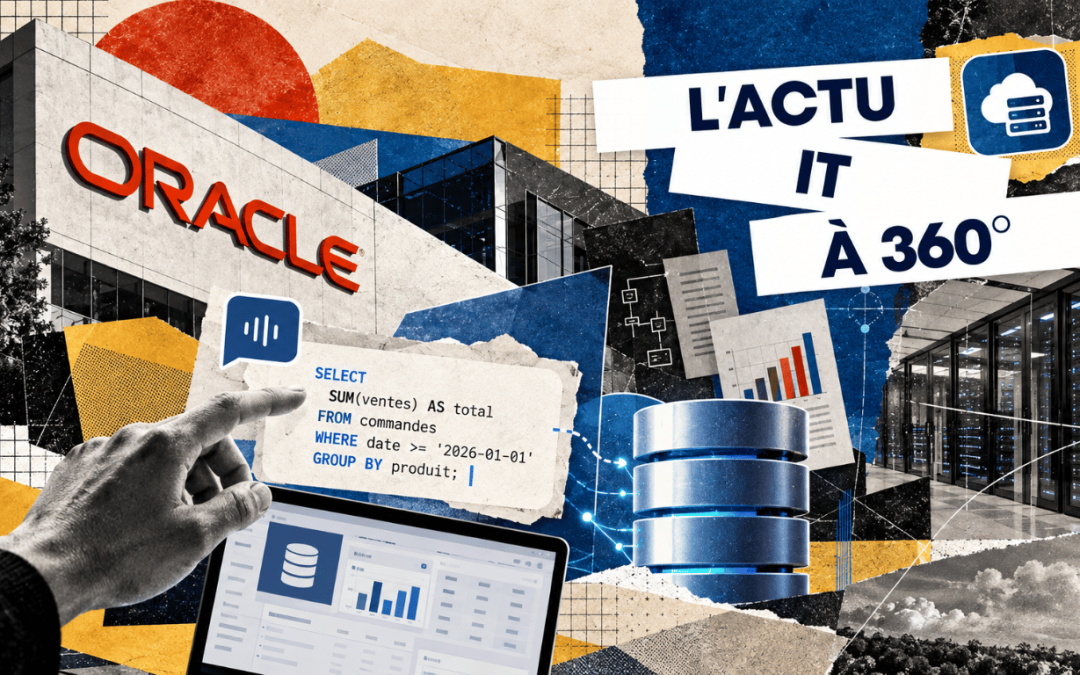
Oracle has described an architecture that pairs the LiveKit Agents framework with Oracle Cloud Infrastructure to automate real-time voice calls. The design links telephony, AI models and business services, while placing internal components in private subnets. For...