


Cybersecurity enters a new dimension
Google has made a major move by announcing an investment of $32 billion in developing a “cyber army” of artificial intelligence agents. Behind this term lies a technological reality: systems capable of automatically detecting, analysing and responding to cyber threats at scale. The announcement comes at a time when cybercrime is estimated to cost more than $10 trillion a year worldwide, making cybersecurity a major strategic issue for businesses1. With this investment, Google is clearly changing scale and positioning AI as a central pillar of digital defence.
AI agents that can act, not just raise alerts
Unlike traditional cybersecurity tools, these AI agents do not merely flag anomalies. They are designed to act autonomously: analysing logs, correlating events, detecting suspicious behaviour and launching appropriate responses. This approach makes it possible to move from reactive security to proactive, even predictive, security. In environments where millions of events are generated every second, AI becomes indispensable for filtering, understanding and prioritising threats in real time.
A response to the explosion of cyber threats
This strategy reflects a rapidly changing threat landscape. Attacks are becoming more complex, faster and often automated. Today, an attack can spread in a matter of minutes, leaving human teams little time to react. According to IBM, the average time to identify and contain a breach is still more than 200 days, despite existing tools2. AI agents aim precisely to shorten this time by automating detection and response, in order to limit the impact of attacks.
Defending without a dedicated team: AI is a game changer for SMEs
For SMEs, this development is particularly important. Cybersecurity is often difficult to manage in-house, for lack of resources or expertise. Solutions based on AI agents provide access to advanced capabilities without a dedicated team. They automate monitoring, detect anomalies and prioritise actions, making security more accessible. This is part of a broader digital transformation trend in which advanced technologies are gradually becoming accessible to all businesses.
Growing dependence on technology platforms
However, this development also raises important questions. By relying on AI solutions developed by major players such as Google, companies are becoming increasingly dependent on these platforms. Cybersecurity no longer rests solely on in-house tools, but on external services built into the cloud ecosystem. This raises issues of sovereignty, data control and algorithmic transparency, which are becoming essential in IT strategies.
A technology race between defence and attack
Another major challenge is that cybercriminals are also using artificial intelligence. Attacks are becoming more sophisticated, able to adapt and evade defence systems. This is creating a genuine technological arms race, in which every defensive innovation prompts an evolution in offensive techniques. Google’s AI agents strengthen defence, but they also contribute to an overall escalation of the technological level in cybersecurity.
Managing intelligent systems is becoming a key skill
This transformation highlights a strategic skill: cybersecurity, now closely linked to artificial intelligence. IT professionals must be able to understand these systems, interpret their analyses and supervise their actions. It is no longer just about protecting infrastructure, but about managing autonomous systems that are constantly evolving. This hybridisation is redefining IT jobs and the digital skills that companies need.
A new era for digital security
With this massive investment, Google is accelerating the arrival of a new era in cybersecurity in which AI plays a central role. Intelligent agents make it possible to move faster, analyse more data and react in real time, but they also introduce new issues of control and dependence. For students and future IT professionals, understanding this development is essential. Tomorrow’s cybersecurity will strike a balance between automation and human expertise, in an environment where threats and technologies are constantly evolving.
360° IT News — decoding technology to understand the jobs of tomorrow.
References
1. Cybersecurity Ventures. (2024). Cybercrime
damages report.
https://cybersecurityventures.com
2. IBM. (2024). Cost of a
Data Breach Report.
https://www.ibm.com/security/data-breach
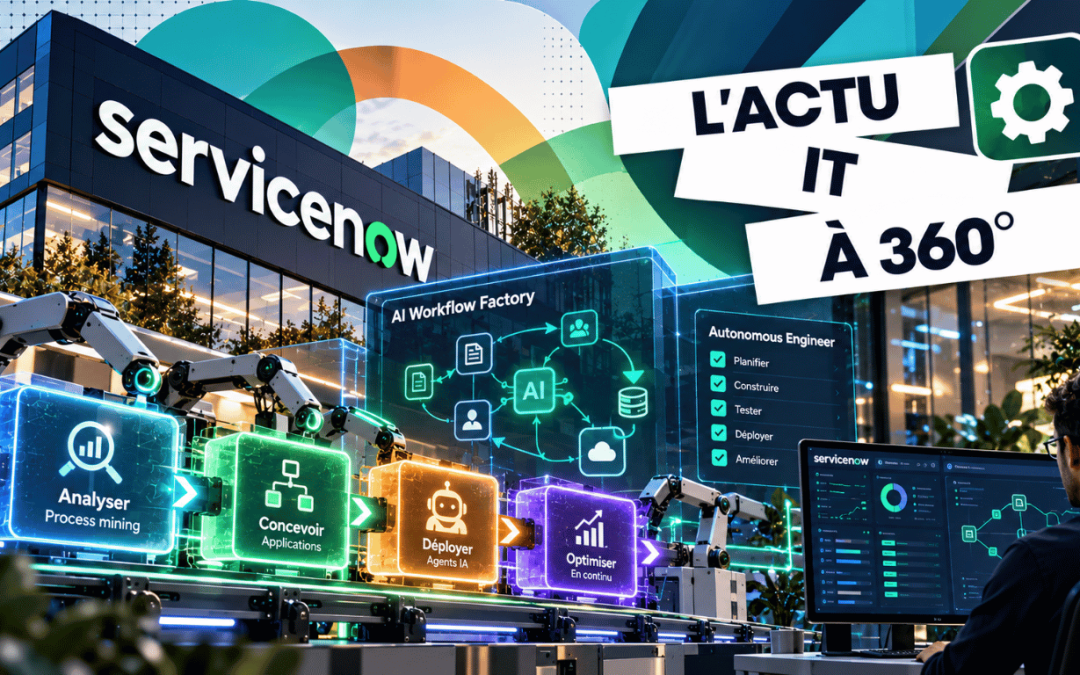
ServiceNow wants to turn process improvement into a continuous AI-driven loop
With AI Workflow Factory, ServiceNow aims to link the identification of inefficient processes with building and running their improvements. The announcement notably includes Autonomous Engineer, a tool designed to automate more of the implementation work.[1] For...

Mistral Large 4: what its trillion-parameter model could change for businesses
Mistral has opened the public preview of Mistral Large 4, nicknamed “Le Chonk”, and plans to release its weights by the end of the month.[1] This European model targets agentic use cases in particular, as well as cybersecurity, finance and industry. For businesses,...
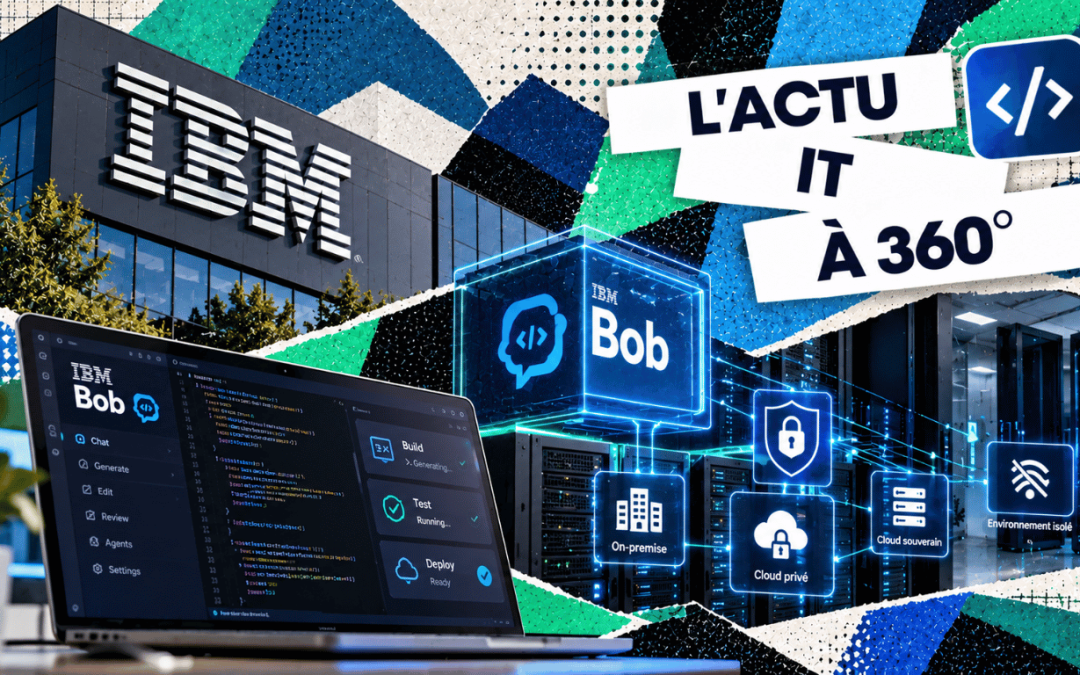
IBM Bob: developing with AI without your code leaving the company
IIBM has announced a self-hosted version of Bob, its agentic development platform, for internal infrastructure, private or sovereign clouds and environments isolated from the internet.[1] This option addresses a concrete obstacle: some applications contain code, data...
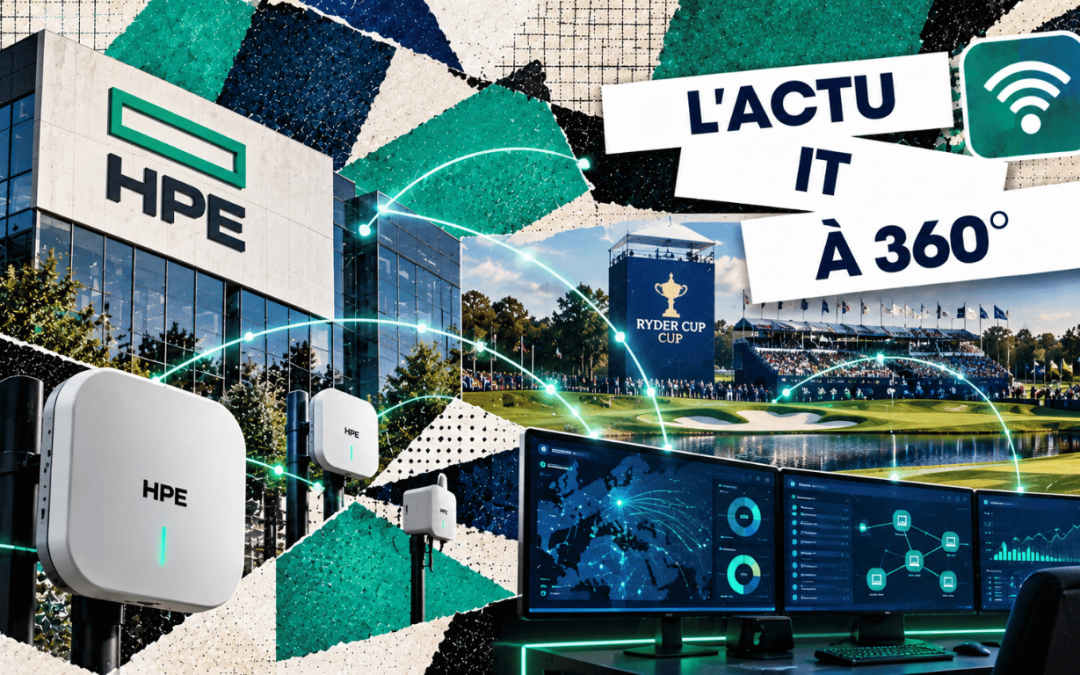
HPE is preparing a network that anticipates incidents and automates certain interventions
HPE plans to deploy a Self-Driving Network for the 2027 Ryder Cup, with Wi-Fi 7 and an operations centre bringing together data and AI tools.[1] The stated aim is to monitor usage, adapt the network and move towards autonomous interventions. For businesses, the...
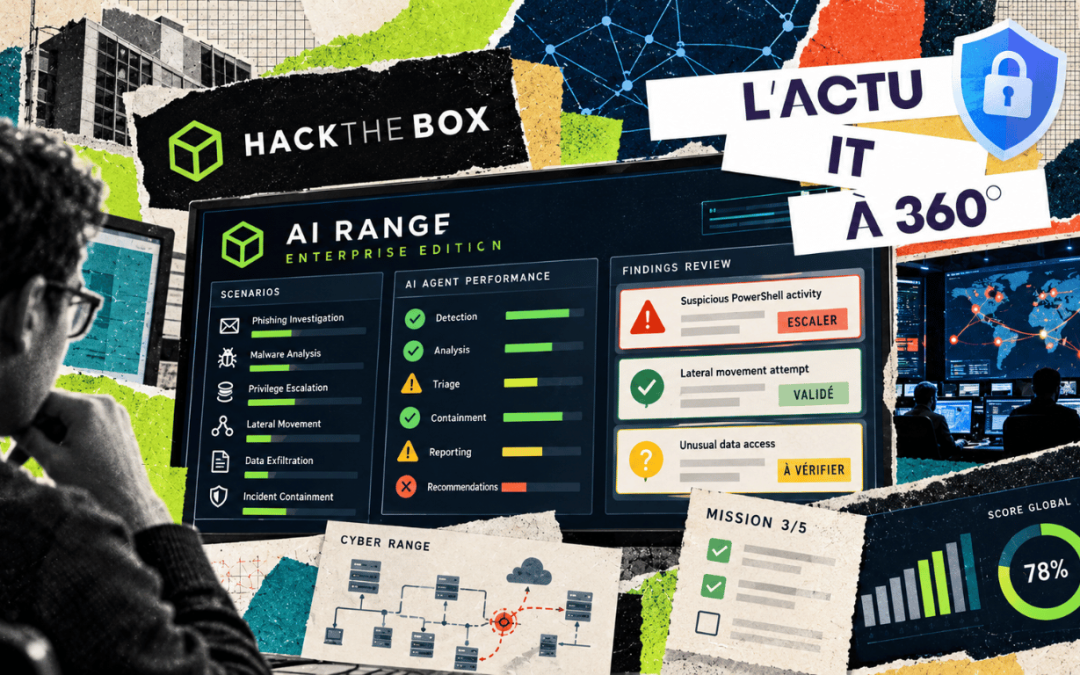
Can your AI agent really defend your company? Hack The Box puts its skills to the test
Hack The Box is launching AI Range Enterprise Edition to let security teams assess their own AI agents on the roles assigned to them.[1] For businesses, the stakes are concrete: having evidence before delegating a task, then checking that this evidence remains valid...
VAST Data wants AI to work with sensitive data in a protected environment
VAST Data has unveiled DataEnclave, a confidential execution capability designed to bring artificial intelligence models closer to companies’ sensitive data. Presented as a preview, it is due to go on sale in the first quarter of 2027.[1] The aim is to make certain...
Databricks buys Row Zero to bring spreadsheets closer to governed data
Databricks has announced the acquisition of Row Zero and plans to integrate its spreadsheet experience into Genie.[1] The aim is to let business teams explore data in a familiar interface, with greater control over access and usage. For companies, the challenge is to...
Google Cloud takes its X5 instances to 48 TB for large SAP databases
Google Cloud has announced the general availability of the X5 series, which raises the maximum advertised memory capacity on a single node to 48 TB, compared with 32 TB for X4.[1] Aimed in particular at very large SAP HANA databases, the offering is based on bare...
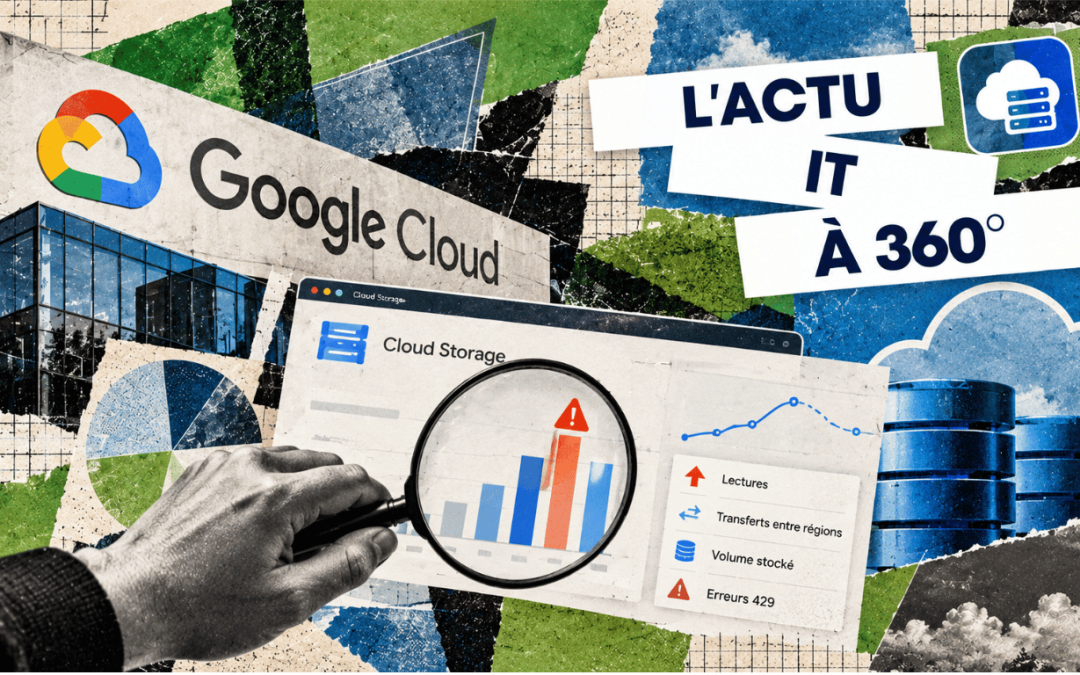
Cloud Storage: Google automates the detection of anomalies
A rise in reads, cross-region transfers or stored volume can inflate the cloud bill and disrupt applications. With Storage Intelligence advisor, Google offers a view of unusual changes in Cloud Storage, along with leads for investigating them. For businesses, the...
AI voice agents: Oracle details a LiveKit architecture on OCI
Oracle has described an architecture that pairs the LiveKit Agents framework with Oracle Cloud Infrastructure to automate real-time voice calls. The design links telephony, AI models and business services, while placing internal components in private subnets. For...