


News in brief
Microsoft is preparing to overhaul the way updates are managed in Windows 11, giving users greater control over their installation, notably by making it easier to postpone them or avoid certain enforced interruptions. This change responds to a frustration widely shared for years, with automatic updates liable to interrupt work or restart a computer without warning. But behind this improvement lies a broader issue: adapting operating systems to users’ real-world practices and to business needs, in a context of digital transformation where business continuity is becoming essential.¹
When security clashes with user experience
Automatic updates were designed to strengthen cybersecurity by quickly fixing vulnerabilities and keeping systems up to date. However, this approach often conflicts with user experience, particularly in professional environments where an interruption can affect productivity. By relaxing these mechanisms, Microsoft is seeking to strike a balance between security and flexibility. This development shows that software vendors must now design systems capable of adapting to users’ constraints, rather than imposing uniform rules.
Working without interruption becomes a priority for businesses
For SMEs, start-ups and freelancers, this change could have a tangible impact. Update-related interruptions can slow teams down, disrupt meetings or halt critical tasks. By allowing better management of these updates, Windows 11 offers greater continuity of work, which is essential in environments where every minute counts. This development is part of a broader trend in which IT tools must be both secure and suited to the operational realities of businesses.
A new approach to IT systems management
This announcement reflects a wider transformation in IT systems management. Businesses now expect tools to be flexible, configurable and aligned with their business needs. Update management is thus becoming a strategic matter, to be built into an overall approach that includes the cloud, cybersecurity and infrastructure management. Operating systems are no longer just technical tools, but essential components of organisations’ performance and productivity.
Administering systems without holding up the business
This development highlights a key skill: systems and network administration. IT professionals must be able to manage updates, secure systems and guarantee their availability, while minimising interruptions for users. This means understanding update mechanisms, planning deployments and tailoring configurations to the company’s needs. As infrastructure becomes ever more complex, this ability to reconcile security and business continuity is becoming essential.
A long-awaited change that redefines the relationship between IT and users
With this change, Microsoft shows that it is taking user and business expectations into account. Operating systems must now adapt to how people work, rather than impose technical constraints. This transformation heralds a new generation of IT tools that are more flexible, smarter and better integrated into professional environments. For students and future IT professionals, it underlines the importance of understanding not only technologies, but also users’ practices and expectations in a constantly evolving digital world.
360° IT News — decoding technology to understand the jobs of tomorrow.
References
1. Microsoft. Windows 11 update management improvements.
https://support.microsoft.com/windows/manage-updates-in-windows-11-3c92c4c1-92d0-4c50-b5d4-9f3c7f1f7c2e
$32 billion: Google launches a cyber army of AI agents
Cybersecurity enters a new dimension Google has made a major move by announcing an investment of $32 billion in developing a “cyber army” of artificial intelligence agents. Behind this term lies a technological reality: systems capable of automatically detecting,...

Data centre boom: Legrand goes on the offensive in China and the UK
Data centres are becoming the heart of the global digital economy Legrand is stepping up its investments in China and the United Kingdom to strengthen its presence in the data centre sector, which has become critical infrastructure for the digital economy. This...
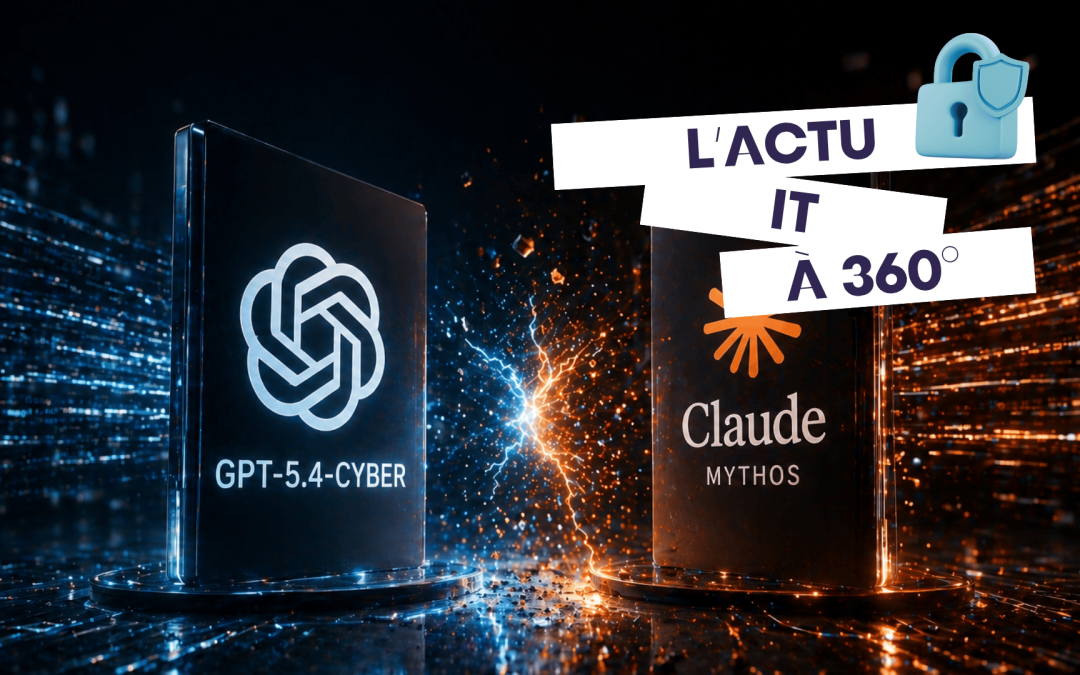
GPT-5.4-Cyber: OpenAI responds to Claude Mythos in the AI cybersecurity battle
A new front line in the artificial intelligence war On 14 April 2026, OpenAI launched GPT-5.4-Cyber, a model specialising in cybersecurity, just days after Anthropic announced Claude Mythos. This timing is no coincidence: it marks an acceleration in the competition...

Claude Mythos: beyond the buzz, what are the real stakes for IT security?
An AI that promises to transform cybersecurity With Claude Mythos, Anthropic is showcasing a new generation of artificial intelligence able to analyse, detect and anticipate cybersecurity threats. At a time when cyberattacks are soaring, with more than 2,200 attacks a...
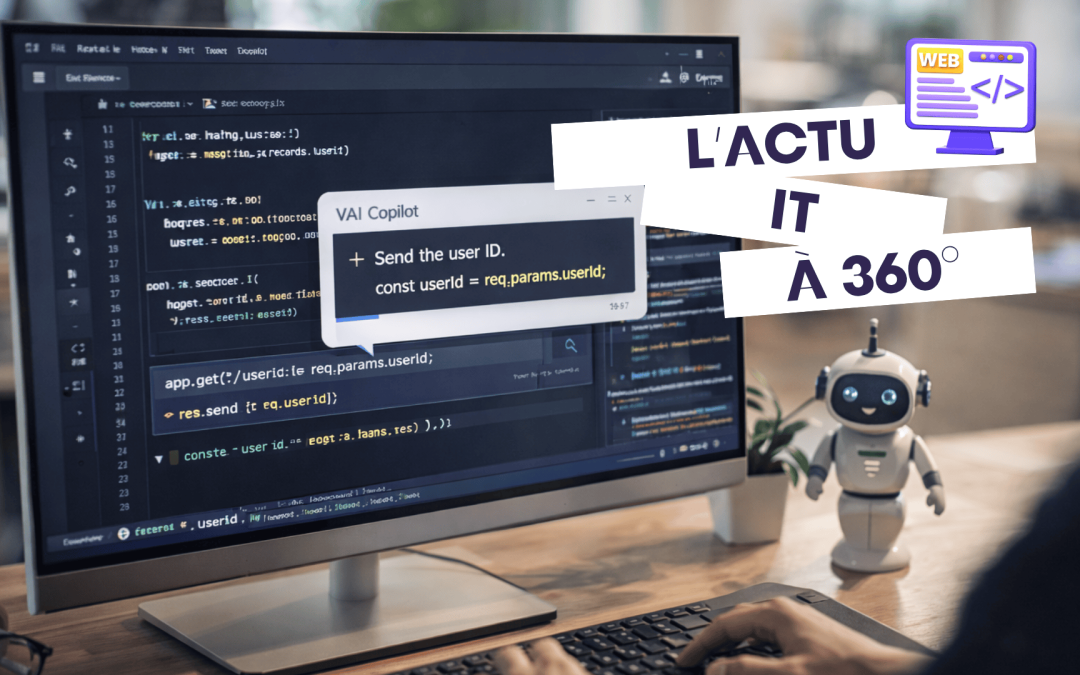
Microsoft reinvents development with AI agents in VS Code
Software development enters the age of agents Microsoft is taking a new step by integrating artificial intelligence agents into Visual Studio Code, with a beta version available via the Insiders channel. This development comes at a time when VS Code is used by more...

In the cloud era, enterprise networks are changing standards
The network is no longer just support: it is becoming a driver of performance For a long time, the enterprise network was regarded as a simple technical infrastructure, often invisible as long as it worked. But with the explosion of the cloud, SaaS applications and...
Windows 11: Microsoft wants to speed up user testing with Insider
Software testing becomes a lever for innovation Microsoft is overhauling its Windows Insider programme, which now brings together more than 10 million testers worldwide, to simplify access to experimental versions of Windows 11 and speed up user feedback. In an...
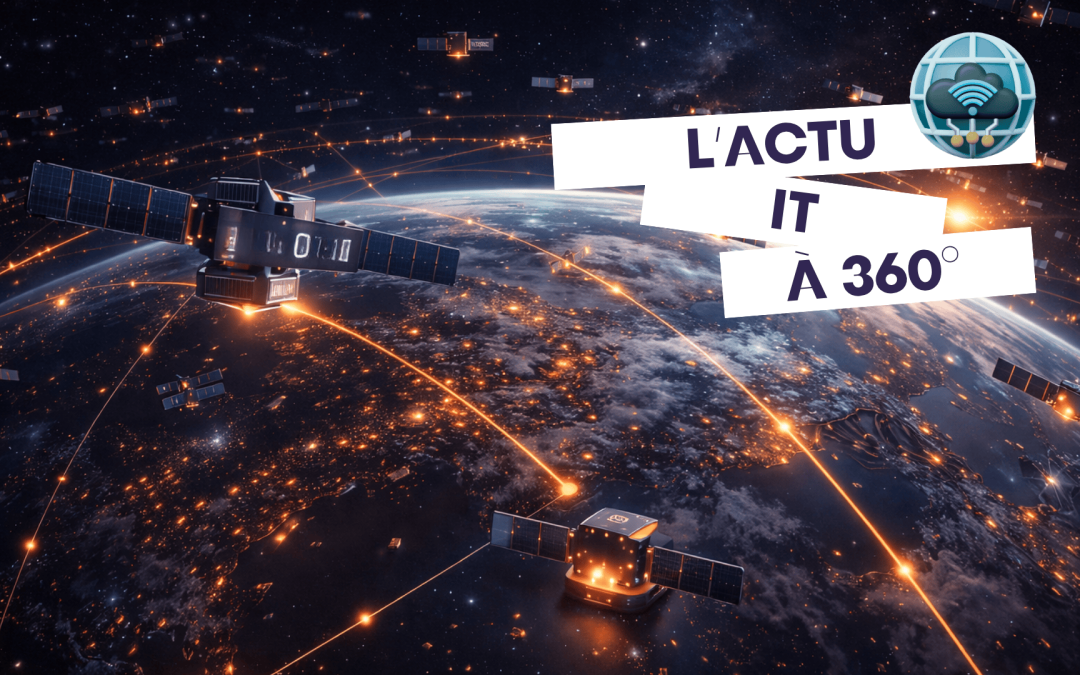
51,600 satellites: Jeff Bezos steps up the battle for the global internet
News in brief With Project Kuiper, Jeff Bezos is committing Amazon to a major transformation of the world’s internet infrastructure by deploying tens of thousands of satellites in low Earth orbit. The goal is not limited to connecting isolated areas, but to building a...
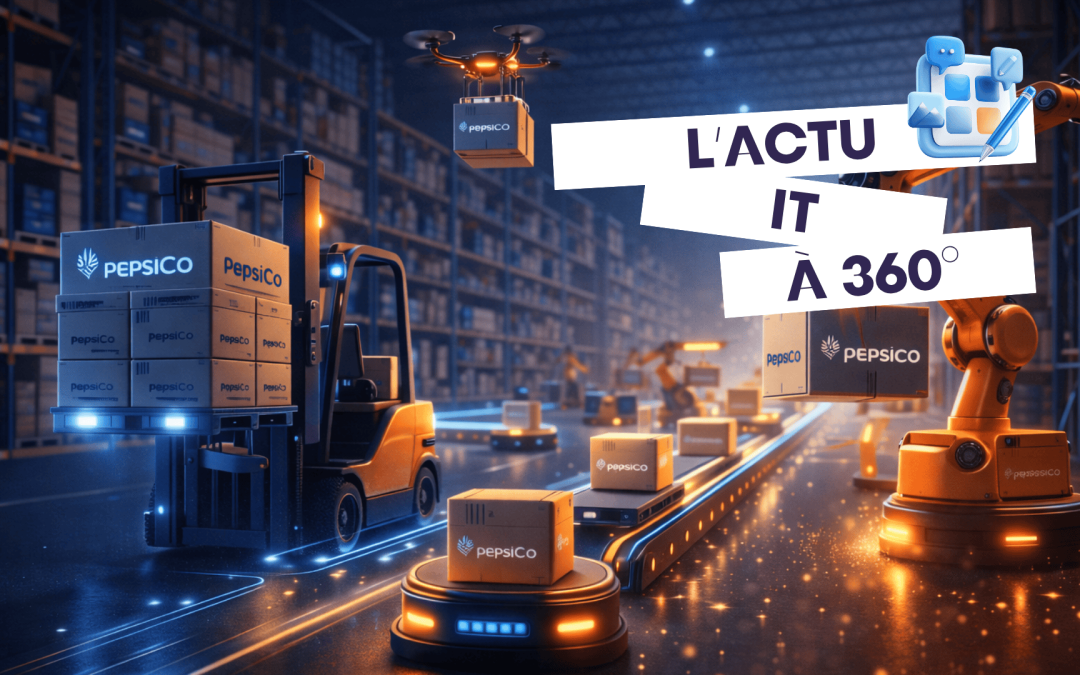
PepsiCo automates its logistics: a turning point for smart warehouses
News in brief PepsiCo France is investing in an automated, multimodal warehouse that combines robotics, digital systems and intelligent management of logistics flows. The aim is no longer simply to store and distribute products, but to turn the warehouse into a...

WeChat goes autonomous AI: Tencent steps up with OpenClaw
News in brief Tencent has just integrated OpenClaw into WeChat, turning the app into far more than a simple communication tool. This development introduces agents capable of carrying out tasks directly from the interface, without going through several applications or...