


News in brief
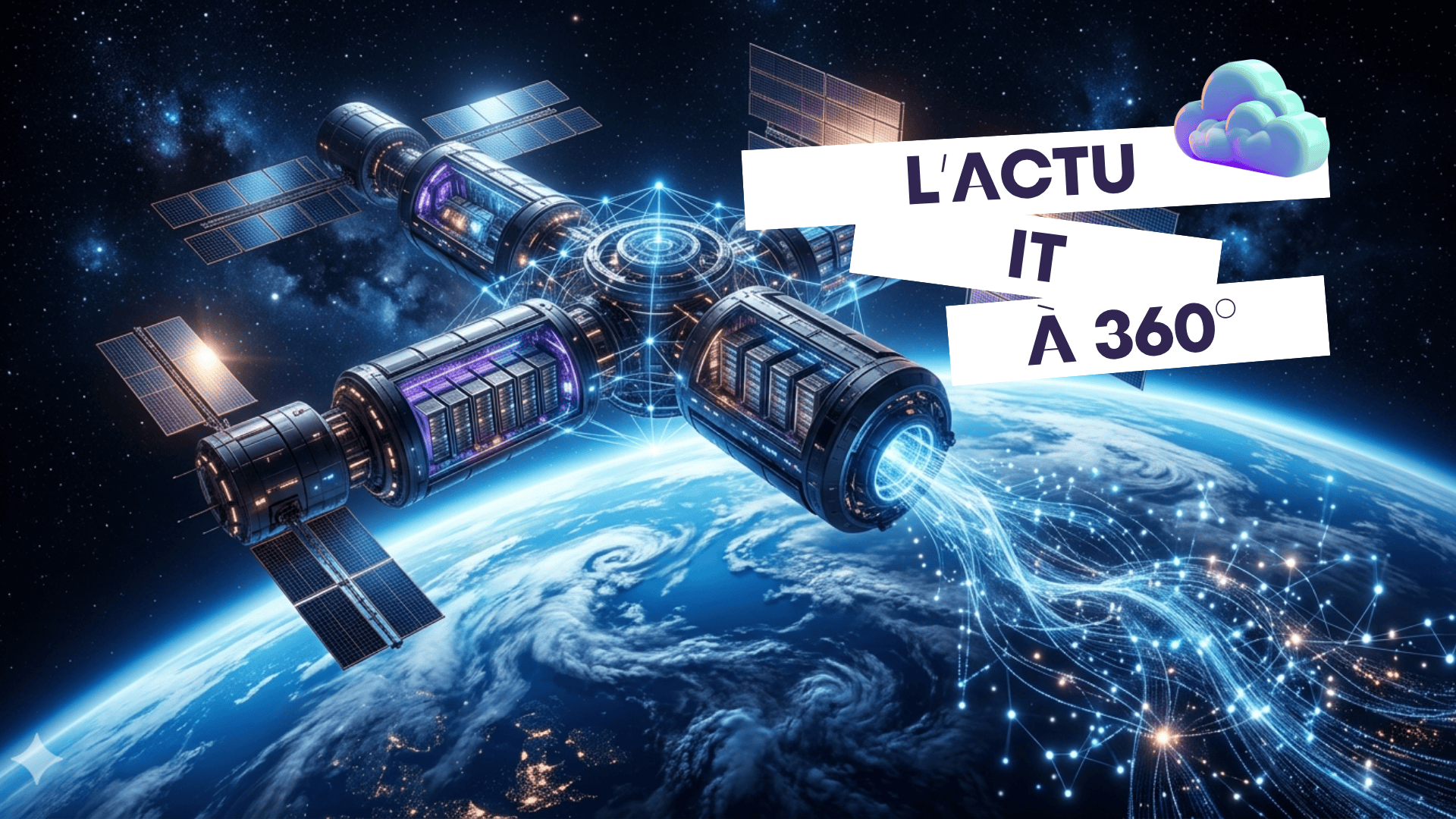
At the GTC 2026 conference, Nvidia announced its intention to accelerate the development of artificial intelligence in space, joining an emerging movement around orbital data centres. The company is no longer content to supply chips for satellites; it is now targeting complete infrastructures capable of processing data directly in orbit. Behind this announcement, the stakes go far beyond technological innovation: the aim is to respond to the explosion in computing needs linked to artificial intelligence and the cloud, while exploring new ways of overcoming the current limits of terrestrial infrastructure.¹
Why the cloud is reaching its limits today
Data centres are at the heart of the digital economy, but they face increasingly severe constraints: massive energy consumption, high infrastructure costs and capacity saturation as artificial intelligence ramps up. By sending part of the computing into space, Nvidia is exploring a radical alternative, where solar energy is abundant and cooling is more natural. The idea is not just to relocate infrastructure, but to transform the way data is processed, in particular by bringing computing closer to data sources such as satellites. This approach would, for example, make it possible to analyse images or data directly in orbit, without going via Earth, reducing delays and improving the overall efficiency of systems.²
Concrete uses that redefine data processing
This development paves the way for new uses, particularly in Earth observation, weather forecasting and disaster management. Today, satellites often send raw data back to Earth for analysis, which can take time and tie up significant resources. With on-board computing capabilities, these systems can directly deliver actionable information, such as detecting an incident or analysing a situation in real time. This shift from “raw data” to “real-time intelligence” profoundly changes the value of data and creates new business models in which information becomes immediately actionable.
Unprecedented computing capacity, without complicating SMEs’ IT
Even though space data centres may seem far removed from SMEs’ concerns, they are part of a broader transformation of the cloud and IT. In the long run, these infrastructures could improve the performance of cloud services, reduce data processing costs and speed up access to critical information. For SMEs and start-ups, this means access to more powerful technologies without having to invest in heavy infrastructure. But it also brings new challenges, particularly in terms of cybersecurity, data management and cloud service integration. Companies will need to understand these developments to take advantage of the opportunities offered by these new architectures.
Mastering tomorrow’s cloud becomes strategic
This news highlights a key skill: cloud computing. As infrastructure evolves, IT professionals need to be able to understand increasingly complex environments, ranging from traditional data centres to distributed, and even space-based, architectures. It is no longer just about managing servers, but about running hybrid systems combining cloud, edge computing and artificial intelligence. This ability to orchestrate infrastructure is becoming essential to support companies’ digital transformation and make full use of new technologies.
A spectacular innovation… but still debated
While space data centres are generating a great deal of interest, they also raise questions. Some experts believe these projects are still a long way from practical large-scale use, particularly because of costs and technical constraints. But beyond their immediate adoption, these initiatives above all show one thing: cloud and artificial intelligence continue to evolve towards ever more distributed and innovative models. For students and future IT professionals, understanding these trends is essential, as they herald the next transformations in digital jobs and skills.
360° IT News — decoding technology to understand the jobs of tomorrow.
References
1. Nvidia. GTC 2026 keynote and AI infrastructure announcements.
https://www.nvidia.com
2. Network World. Nvidia explores AI computing in space and orbital datacenters.
https://www.networkworld.com
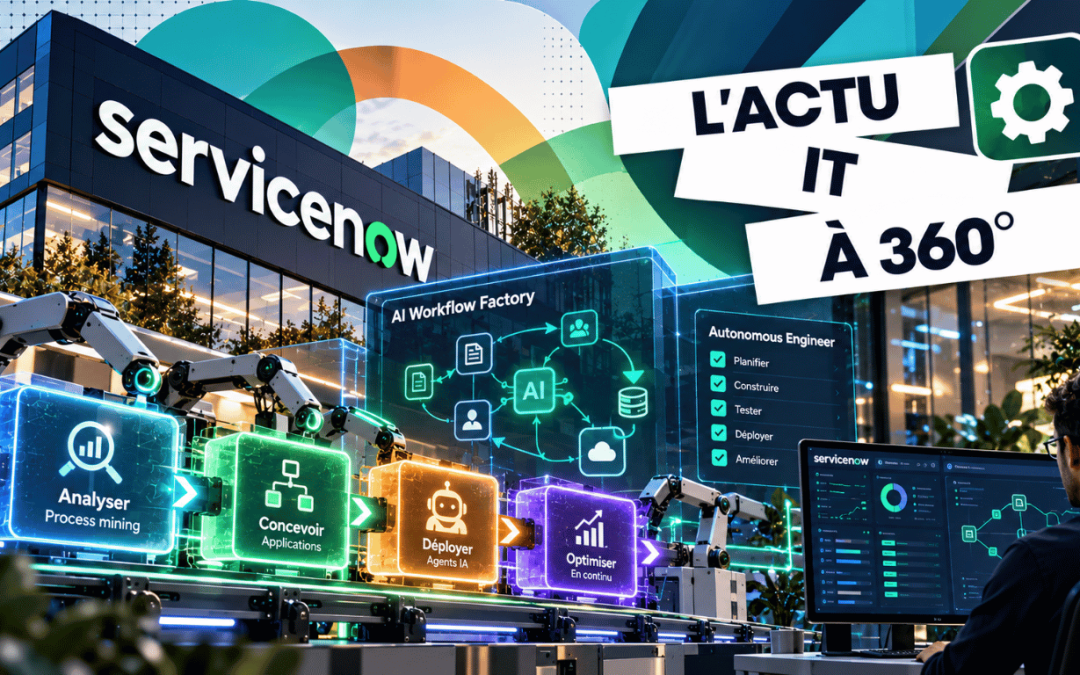
ServiceNow wants to turn process improvement into a continuous AI-driven loop
With AI Workflow Factory, ServiceNow aims to link the identification of inefficient processes with building and running their improvements. The announcement notably includes Autonomous Engineer, a tool designed to automate more of the implementation work.[1] For...

Mistral Large 4: what its trillion-parameter model could change for businesses
Mistral has opened the public preview of Mistral Large 4, nicknamed “Le Chonk”, and plans to release its weights by the end of the month.[1] This European model targets agentic use cases in particular, as well as cybersecurity, finance and industry. For businesses,...
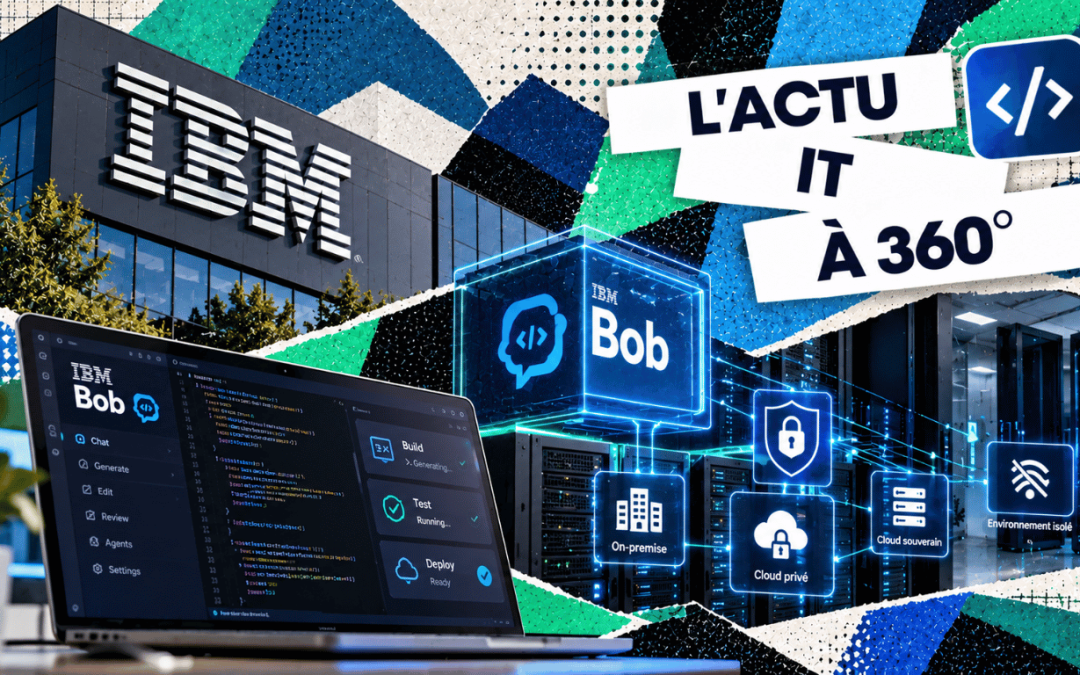
IBM Bob: developing with AI without your code leaving the company
IIBM has announced a self-hosted version of Bob, its agentic development platform, for internal infrastructure, private or sovereign clouds and environments isolated from the internet.[1] This option addresses a concrete obstacle: some applications contain code, data...

HPE is preparing a network that anticipates incidents and automates certain interventions
HPE plans to deploy a Self-Driving Network for the 2027 Ryder Cup, with Wi-Fi 7 and an operations centre bringing together data and AI tools.[1] The stated aim is to monitor usage, adapt the network and move towards autonomous interventions. For businesses, the...
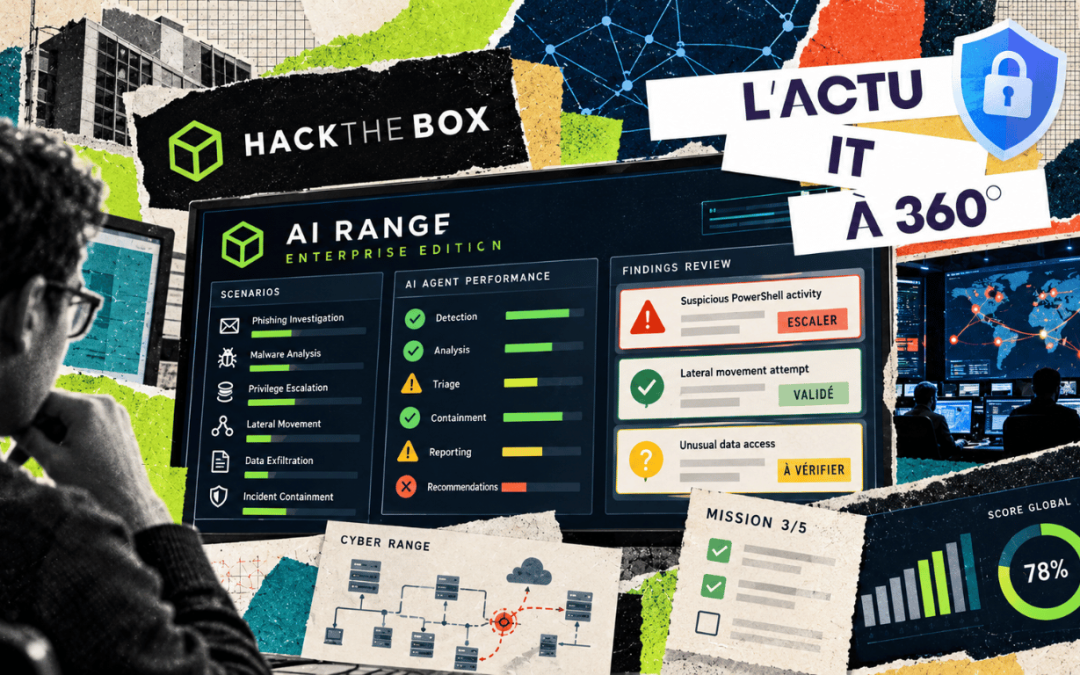
Can your AI agent really defend your company? Hack The Box puts its skills to the test
Hack The Box is launching AI Range Enterprise Edition to let security teams assess their own AI agents on the roles assigned to them.[1] For businesses, the stakes are concrete: having evidence before delegating a task, then checking that this evidence remains valid...
VAST Data wants AI to work with sensitive data in a protected environment
VAST Data has unveiled DataEnclave, a confidential execution capability designed to bring artificial intelligence models closer to companies’ sensitive data. Presented as a preview, it is due to go on sale in the first quarter of 2027.[1] The aim is to make certain...
Databricks buys Row Zero to bring spreadsheets closer to governed data
Databricks has announced the acquisition of Row Zero and plans to integrate its spreadsheet experience into Genie.[1] The aim is to let business teams explore data in a familiar interface, with greater control over access and usage. For companies, the challenge is to...
Google Cloud takes its X5 instances to 48 TB for large SAP databases
Google Cloud has announced the general availability of the X5 series, which raises the maximum advertised memory capacity on a single node to 48 TB, compared with 32 TB for X4.[1] Aimed in particular at very large SAP HANA databases, the offering is based on bare...
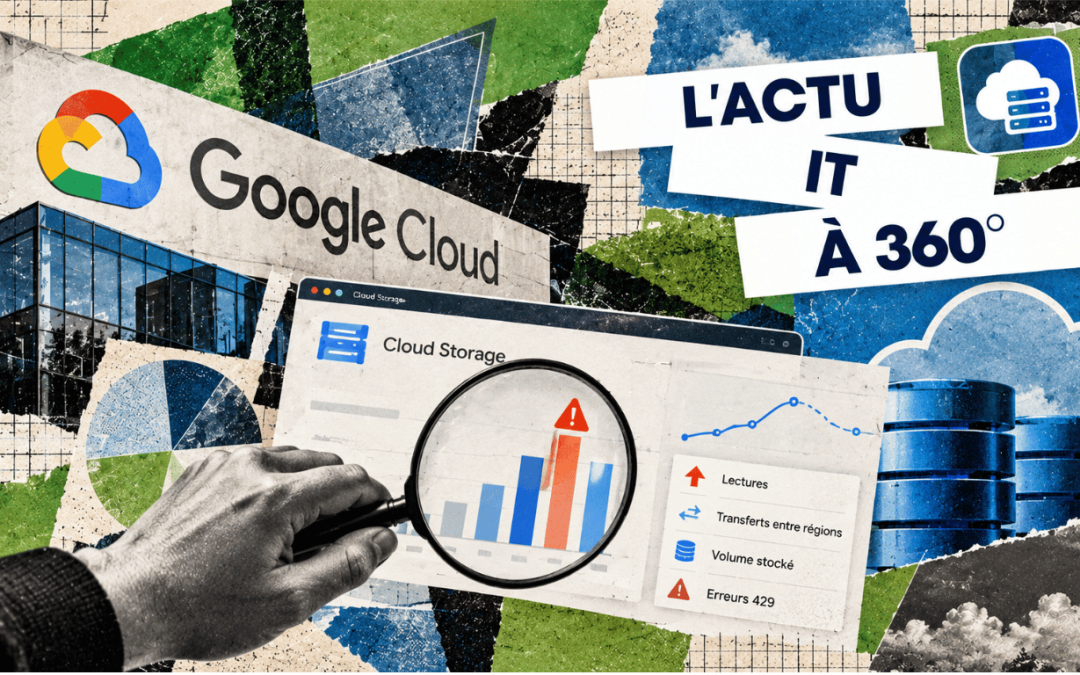
Cloud Storage: Google automates the detection of anomalies
A rise in reads, cross-region transfers or stored volume can inflate the cloud bill and disrupt applications. With Storage Intelligence advisor, Google offers a view of unusual changes in Cloud Storage, along with leads for investigating them. For businesses, the...
AI voice agents: Oracle details a LiveKit architecture on OCI
Oracle has described an architecture that pairs the LiveKit Agents framework with Oracle Cloud Infrastructure to automate real-time voice calls. The design links telephony, AI models and business services, while placing internal components in private subnets. For...